

Cinnamon Oil: Booster for Skin and Hair
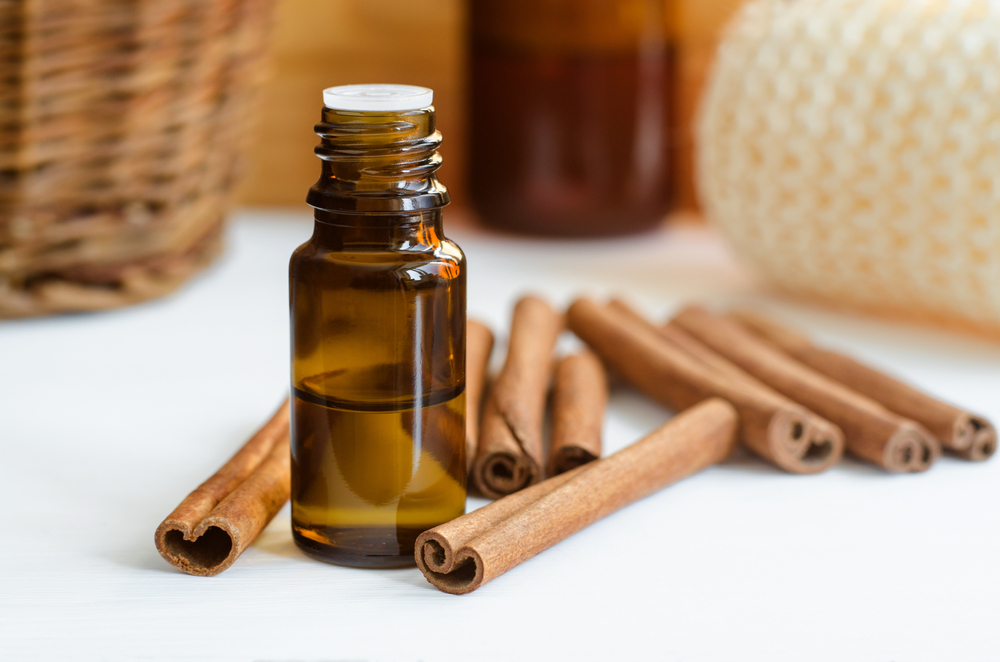
Cinnamon oil not only smells fantastic, but it also offers remarkable benefits for maintaining healthy skin and hair. In this guide, we will explore the wonderful properties of this natural oil and how you can safely incorporate it into your daily routine.
Who doesn’t love the comforting scent of cinnamon? Most of us probably associate its warm aroma with cozy winter days and delicious treats. However, cinnamon is much more than just an aromatic spice for baking. Throughout history, cinnamon oil has been highly valued as an excellent natural remedy for overall well-being. When used properly, this essential oil reveals highly beneficial properties that can nourish and beautify both skin and hair naturally.
Benefits of Cinnamon Oil for Skin and Hair
Cinnamon oil is rich in natural compounds that support our body’s functions, providing a highly positive impact on the condition of your skin and hair:
- The powerful antioxidants contained in cinnamon oil protect the skin from free radicals, helping to prevent premature aging and maintaining a youthful appearance.
- It naturally strengthens skin, hair roots, and nails.
- It promotes healthy blood circulation. When applied safely to the scalp, it stimulates hair follicles for better growth, while on the skin, it supports cell renewal.
- It provides excellent support against hair loss.
- It helps achieve a natural, rosy, and healthy complexion.
- Thanks to its natural antifungal and antibacterial properties, cinnamon oil is highly effective in managing acne, blemishes, and minor skin irritations.
- It deeply moisturizes and revitalizes dry skin.
How to Safely Apply Cinnamon Oil for Skin and Hair
Always Do a Patch Test First
Because cinnamon oil is highly concentrated and potent, it can sometimes trigger allergic reactions in sensitive individuals. You should always test it on a small area of skin first—for example, the inside of your elbow. A slight, temporary tingling is normal, but if the skin burns, itches, or shows severe redness, wash it off immediately with soap and water, and do not use it further.
Care must also be taken to ensure the oil never comes into contact with mucous membranes or the eyes, as these areas are extremely sensitive. Pregnant women should avoid using cinnamon oil, as it has stimulating properties that are not recommended during pregnancy.
The Golden Rule: Always Dilute Cinnamon Oil
Never apply cinnamon essential oil pure directly to your skin or scalp. It must always be diluted with a carrier oil. To do this safely, mix just a few drops of cinnamon oil into a gentle base like jojoba oil, sweet almond oil, or coconut oil.
You can also enhance your daily routine by adding a drop or two into your regular face cream or body lotion. For hair care, simply add a few drops to your daily shampoo bottle. If you want to enrich a hair mask or treat your scalp, mixing it with a nourishing carrier oil is the best method. Remember: less is more, and dilution is key!
DIY Natural Skincare Recipes with Cinnamon Oil
Instructions: Soothing Scalp Massage Oil
- 100 ml almond oil
- 1 to 2 drops of pure cinnamon oil
Warm the almond oil slightly in a water bath (it should be comfortably warm, not hot). Mix in the drop of cinnamon oil and gently massage this soothing blend into your scalp. Leave the treatment on for about 20 minutes, then wash your hair thoroughly with a mild, natural shampoo.
Instructions: Deep Conditioning Hair Mask for Dry Hair
- 100 ml coconut oil
- 50 ml almond oil or macadamia oil
- 5 drops of cinnamon oil
- 2 tsp raw honey
Since coconut oil is solid at room temperature, gently warm it in a water bath until it melts. Once liquid, blend it with the honey, almond or macadamia oil, and the cinnamon oil. Distribute this fragrant, nourishing mixture evenly through your hair and massage it gently into your scalp. Allow the hair treatment to sit for at least 45 minutes, preferably wrapping your head in a warm towel to enhance absorption. Wash it out with a gentle shampoo. The result will be beautifully shiny, soft, and healthy-looking hair.
Instructions: Honey and Cinnamon Oil Mask for Clear Skin
- 1 drop of cinnamon oil
- 2 tablespoons of honey (preferably a high-quality, medically beneficial option like Manuka honey)
Blend the ingredients completely. Always test the mixture on your wrist or inner arm first. If your skin tolerates it well, apply a thin layer of the mask to your freshly cleansed face, avoiding the eye area. Let it sit for 10 minutes, then rinse off gently with lukewarm water.
If this mask suits your skin, you can gradually increase the resting time up to 30 minutes. This clarifying face treatment can be safely used once or twice a week for a glowing complexion.
Cinnamon Oil: Origins, Varieties, and Extraction
Cinnamon oil is primarily obtained from two distinct varieties of the cinnamon tree: the Ceylon cinnamon tree (native to Sri Lanka) and the Cassia cinnamon tree (often called Chinese cinnamon). The Cassia variety naturally contains a higher concentration of a compound called coumarin, which can be harmful in large amounts. Therefore, for health and cosmetic purposes, it is always highly recommended to choose the safer, though slightly more expensive, pure Ceylon cinnamon oil.
The premium oil from the Ceylon tree is extracted from the inner bark through a process called steam distillation. Freshly distilled cinnamon bark oil is almost colorless and slightly thick. Over time, as it matures, it develops a rich reddish-brown color and releases its signature, warm cinnamon fragrance.
Additionally, there is “cinnamon leaf oil,” which is distilled from the leaves of the tree rather than the bark. This oil has a stronger, spicier scent (often compared to cloves), is darker in color, and boasts particularly strong antibacterial properties.