

Growth Mindset vs. Fixed Mindset: How to Unlock Your True Potential
Have you ever looked at someone successful and thought, “She was just born talented”? Or have you faced a difficult task and immediately told yourself, “I’m just not good at this”?
These thoughts are not just fleeting moments of doubt; they are reflections of your mindset. Psychologists categorize the way we think about our abilities into two main types: Fixed Mindset and Growth Mindset.
Understanding the difference between these two is the key to personal development, better mental health, and achieving your goals. It is not about “magic” or waiting for luck; it is about the sincere effort you put into your journey. As the saying goes, success is a journey, not a destination.
Let’s dive deep into how changing your perspective can change your life.
What is a Fixed Mindset?
A Fixed Mindset assumes that our character, intelligence, and innovative potential are static givens which we can’t change in any meaningful way.
People with a fixed mindset believe that success is the affirmation of that inherent intelligence. Striving for success and avoiding failure at all costs become a way of maintaining the sense of being smart or skilled.
- The Trap: If you believe talent is fixed, you might avoid challenges because failing would suggest you lack the talent.
What is a Growth Mindset?
A Growth Mindset, on the other hand, thrives on challenge and sees failure not as evidence of unintelligence but as a heartening springboard for growth and stretching our existing abilities.
It is the belief that your basic qualities are things you can cultivate through your efforts. Although people may differ in every which way—in their initial talents and aptitudes, interests, or temperaments—everyone can change and grow through application and experience.
💡 Important Reminder
Having a Growth Mindset does not mean you can do everything perfectly. It means you believe that your effort, patience (Sabr), and dedication can improve your skills over time. It is about valuing the process of learning rather than just the final result.
Detailed Comparison: How Do They React?
To better understand where you stand, let’s compare how these two mindsets react to different life situations.
1. Dealing with Challenges
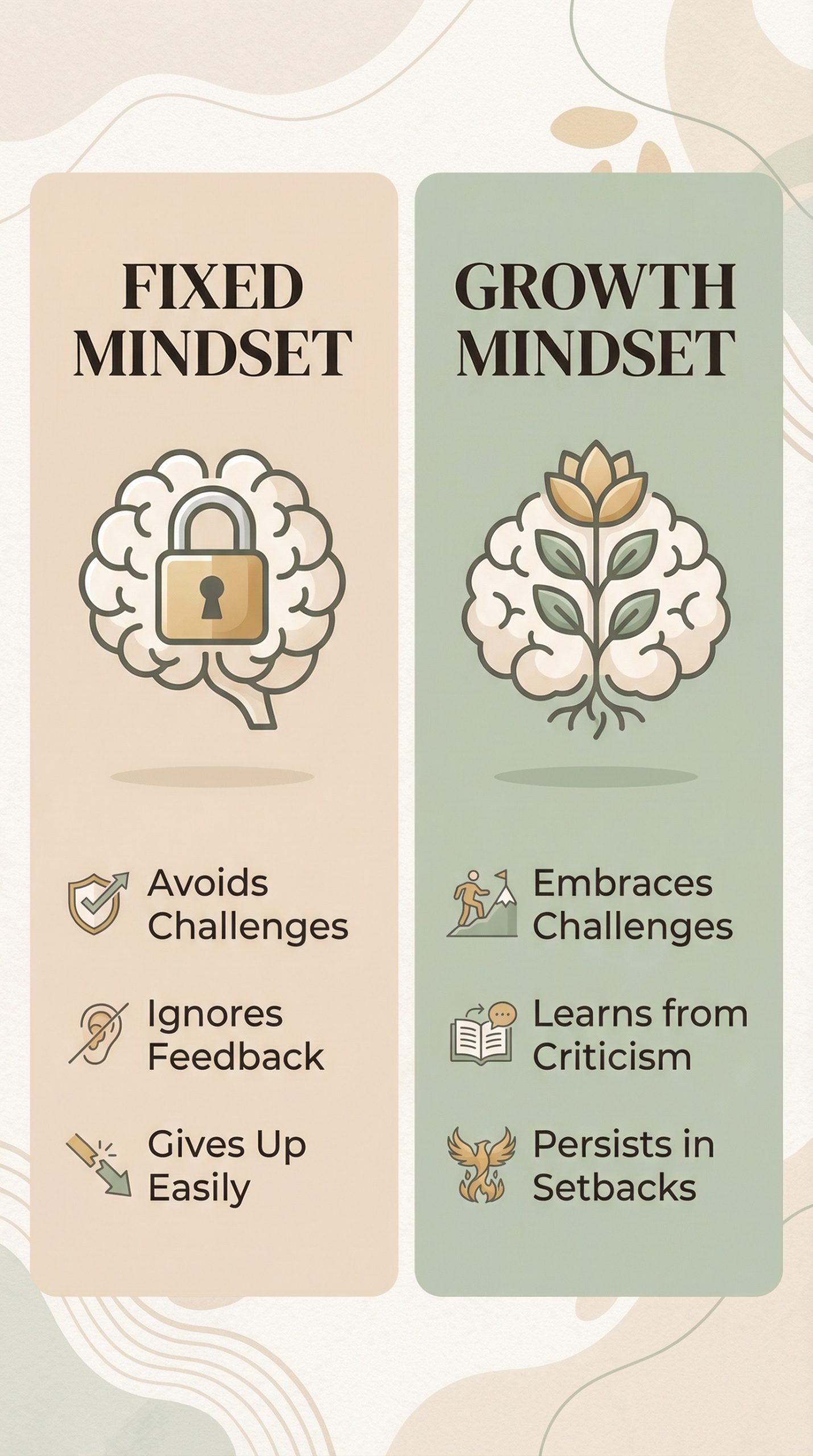
- Fixed Mindset: Avoids challenges to prevent failure. They prefer to stay in their comfort zone.
- Growth Mindset: Embraces challenges. They understand that difficult tasks are opportunities to learn something new.
2. Handling Criticism
- Fixed Mindset: Ignores useful negative feedback or takes it as a personal insult.
- Growth Mindset: Learns from criticism. They separate their self-worth from their work and use feedback to improve.
3. Viewing Effort
- Fixed Mindset: Sees effort as fruitless. “If I have to work hard at it, I must not be good at it.”
- Growth Mindset: Sees effort as the path to mastery. They know that even a seed needs water, time, and care to become a tree.
How to Cultivate a Growth Mindset
Changing your mindset isn’t an overnight switch; it is a practice. Here are practical steps to shift your thinking:
The Power of “Yet”
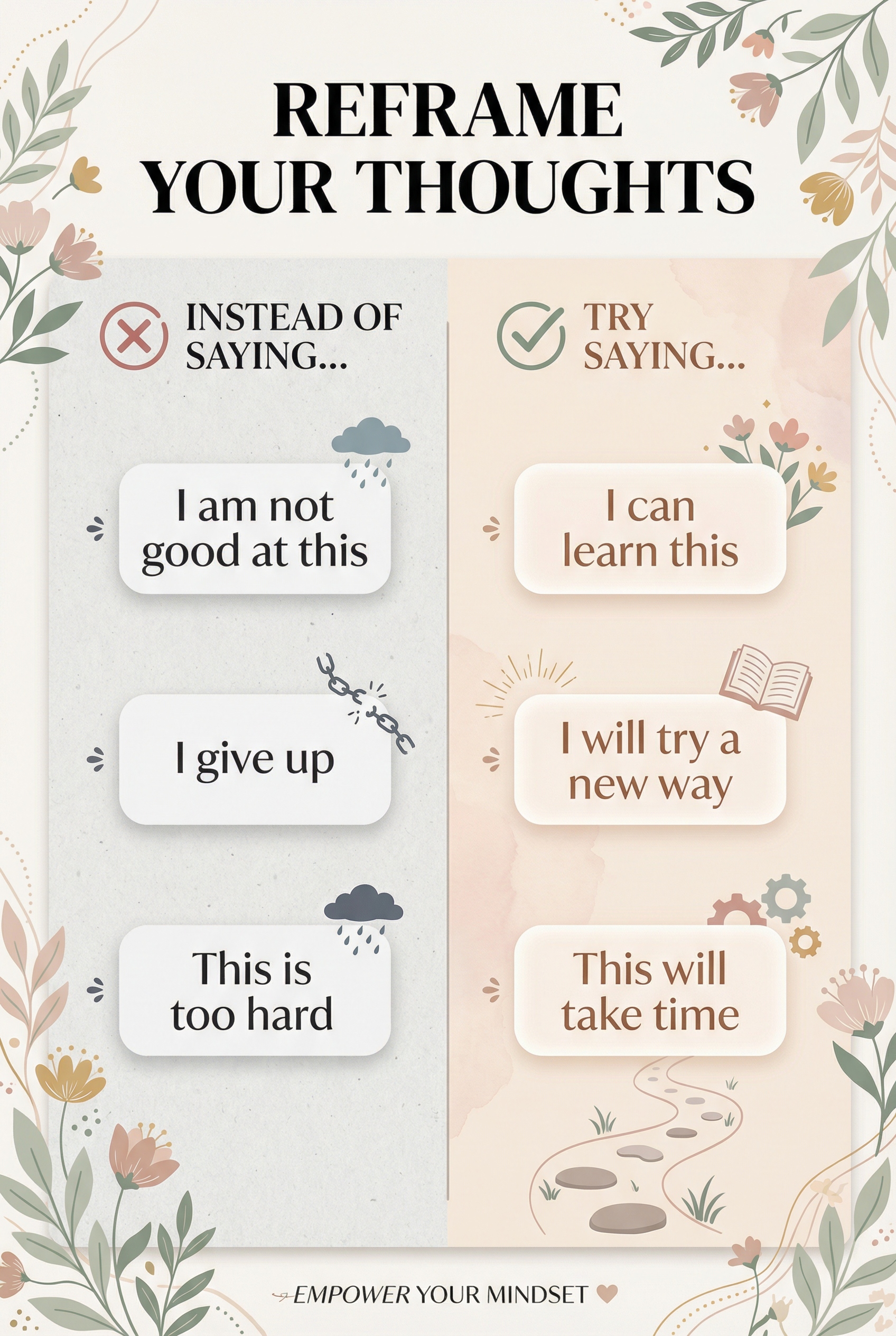
If you catch yourself saying, “I don’t know how to do this,” simply add the word “YET” at the end.
- “I don’t understand this… yet.”
- “I am not good at this… yet.”
This small word opens up a future where improvement is possible.
Value the Process over the Result
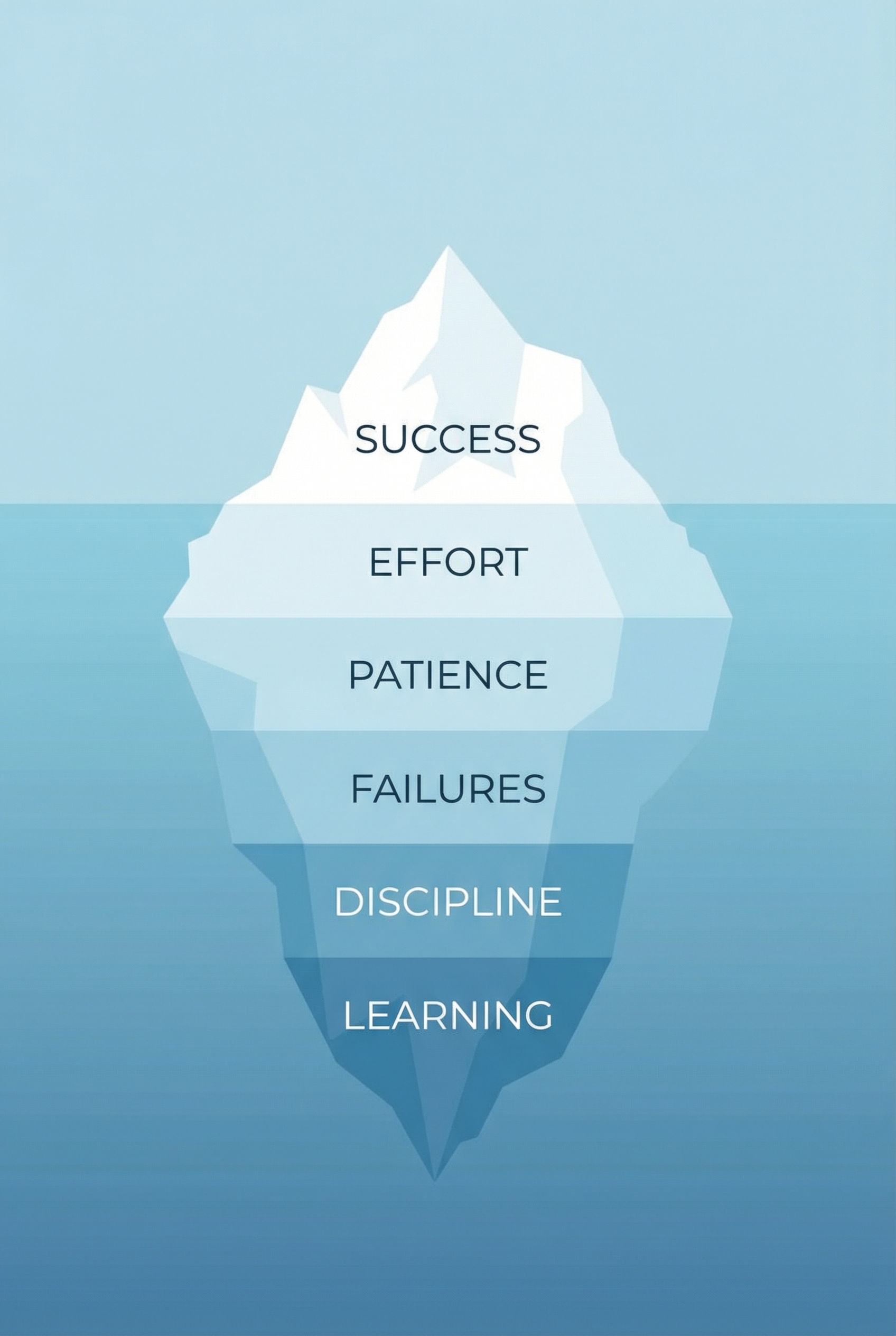
In a fast-paced world, we often focus on the trophy, the grade, or the salary. However, true wisdom lies in appreciating the hard work. Did you try your best? Did you learn from your mistakes? That is where the real value lies.
Stop Seeking Approval
Instead of seeking validation from others to prove your worth, seek growth for your own satisfaction and development. Your journey is unique to you.
Conclusion
Adopting a growth mindset is about trusting that you have the capacity to learn and evolve. It is about honoring the gifts you have been given by working hard to develop them.
Remember, obstacles are not stop signs; they are guidelines. Embrace the struggle, keep learning, and trust the process.