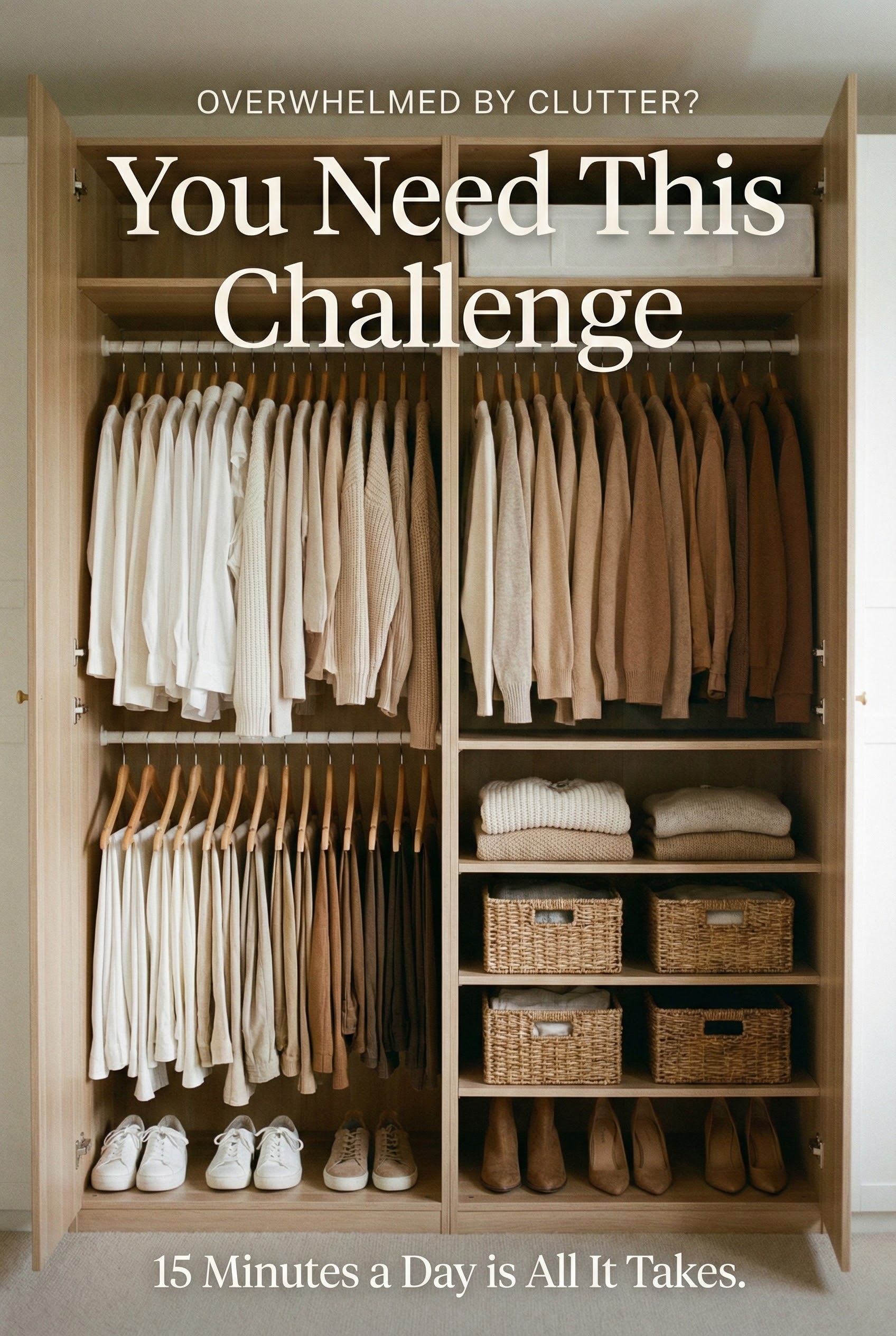

The Ultimate 30-Day Decluttering Challenge

Do you often feel overwhelmed by the sheer amount of stuff in your home? You are not alone. A cluttered space often leads to a cluttered mind. However, the idea of organizing an entire house can feel like an impossible mountain to climb. The secret to success isn’t doing it all at once; it is about taking small, consistent steps.
This 30-Day Decluttering Challenge is designed to guide you through your home, one small area at a time.
By dedicating just 15-20 minutes a day, you will transform your living space into a calm, organized, and functional environment for you and your family. No stress, no “magic” tricks—just practical, real-life organization.
Why a 30-Day Challenge Works
Trying to clean the whole house in a weekend usually results in burnout and a bigger mess than when you started. A 30-day approach builds a habit. It focuses on progress over perfection. When you tackle one specific category or drawer a day, the task becomes manageable. By the end of the month, these small victories compound into a completely refreshed home.
💡 Pro Tip: The 4-Box Method
Before you start Day 1, gather four boxes or heavy-duty bags. Label them clearly:
- Trash/Recycle: Broken items, expired papers, packaging.
- Donate: Items in good condition that you no longer need.
- Relocate: Things that belong in a different room.
- Keep: Items that stay in the current spot (but need organizing).
Week 1: Living Areas and Entryway
The first week focuses on the areas that make the “first impression.” These are the spaces you see immediately when walking in, and keeping them clear sets the tone for the rest of the house.
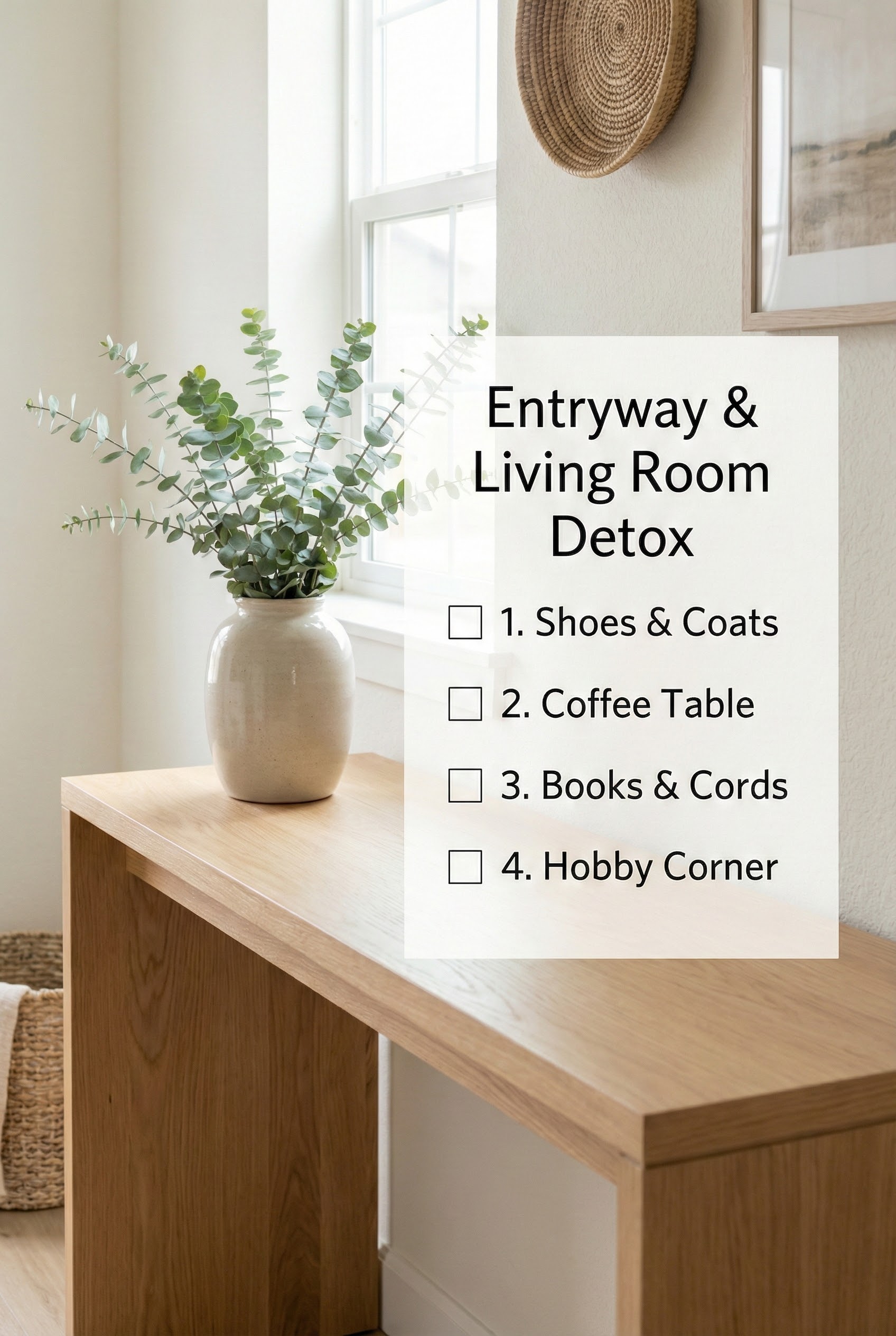
Day 1: The Entryway and Shoes
Start at the front door. Remove shoes that don’t fit or are too worn out. If you have seasonal footwear (like heavy winter boots in summer), clean them and store them away. Make sure the mat is clean and welcoming.
Day 2: The Coat Closet
Empty the closet completely. Donate coats that haven’t been worn in two years. Match up gloves and scarves. Use sturdy hangers for heavy coats to achieve a uniform look.
Day 3: Coffee Tables and Surfaces
Flat surfaces are magnets for clutter. Clear off old mail, empty cups, and random trinkets. Keep decor minimal—perhaps a nice vase or a tray. If an item doesn’t have a function or beauty, let it go.
Day 4: Books and Magazines
Go through your collection. Recycle magazines older than six months (you can find most recipes or articles online now). For books, keep the ones you genuinely plan to read or re-read. Local libraries often accept book donations.
Day 5: Electronics and Cords
Gather all stray chargers, USB cables, and remote controls. Test them. If a cable doesn’t work or belongs to a device you no longer own, recycle it properly. Use velcro ties to organize the cords you keep.
Day 6: Toy Storage or Hobby Corner
If you have children, involve them in this step. Remove broken toys or puzzles with missing pieces. If you don’t have kids, tackle your hobby corner (knitting, painting, etc.). Organize supplies into clear bins.
Day 7: The “Junk” Drawer
We all have one. Empty it out. Throw away dried-out pens, random receipts, and broken rubber bands. Use small dividers to organize essential items like batteries, tape, and scissors.
Week 2: The Heart of the Home (Kitchen)
The kitchen is often the busiest room. Decluttering here makes cooking easier and cleaning up faster. Hygiene is priority number one here.
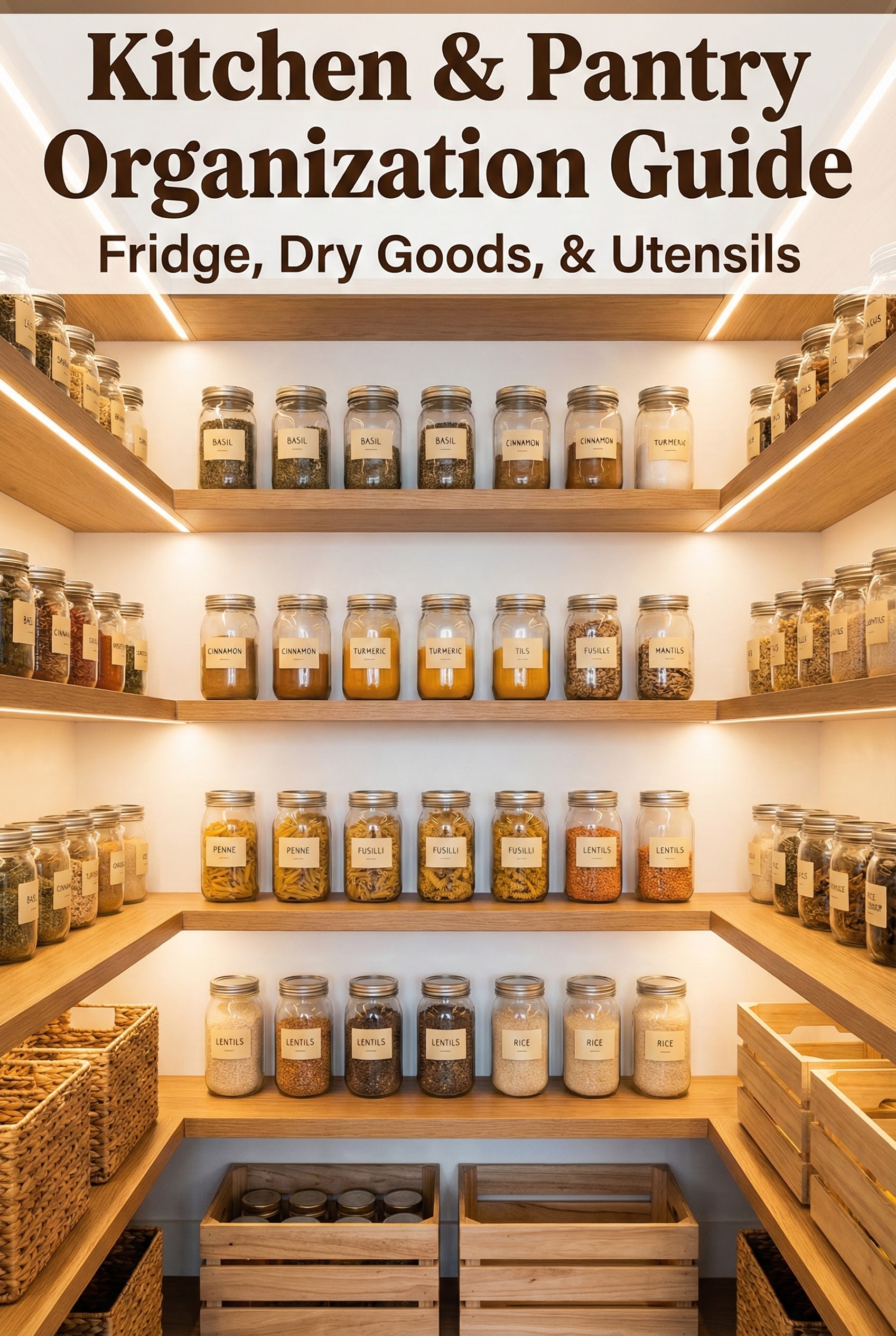
Day 8: Fridge and Freezer
Check expiration dates. Toss anything that looks or smells suspicious. Wipe down the shelves. Group similar items together (dairy, condiments, vegetables).
Day 9: Pantry and Dry Goods
Take everything out. Check for expired cans or stale snacks. If you have duplicates (like three open bags of rice), combine them into one airtight container. This keeps food fresh and prevents pests.
Day 10: Mugs and Glassware
How many coffee mugs do you really need? Keep your favorites and a sufficient number for guests. Donate the mismatched promotional mugs that clutter the back of the cupboard.
Day 11: Food Storage Containers
This is often the most frustrating cabinet. Match every container with its lid. If a container has no lid, or a lid has no container, recycle it.
Day 12: Utensils and Gadgets
Be honest: do you need three can openers or an avocado slicer you never use? Keep the essentials that you use regularly.
Day 13: Under the Kitchen Sink
This area can get messy with cleaning supplies. Remove empty bottles. Organize sponges, dish soap, and trash bags. Ensure there are no leaks.
Day 14: Spices and Baking Supplies
Old spices lose their flavor. Sniff them—if they have no scent, they have no flavor. Organize them alphabetically or by usage frequency so you can find what you need while cooking.
⚠️ Safety Reminder
When decluttering cleaning supplies or medications, always dispose of them according to local safety regulations. Never pour harsh chemicals down the drain without checking first.
Week 3: Personal Spaces (Bedrooms & Bathrooms)
These areas should be your sanctuaries for rest and hygiene. Visual clutter here can directly impact your sleep quality and morning routine.
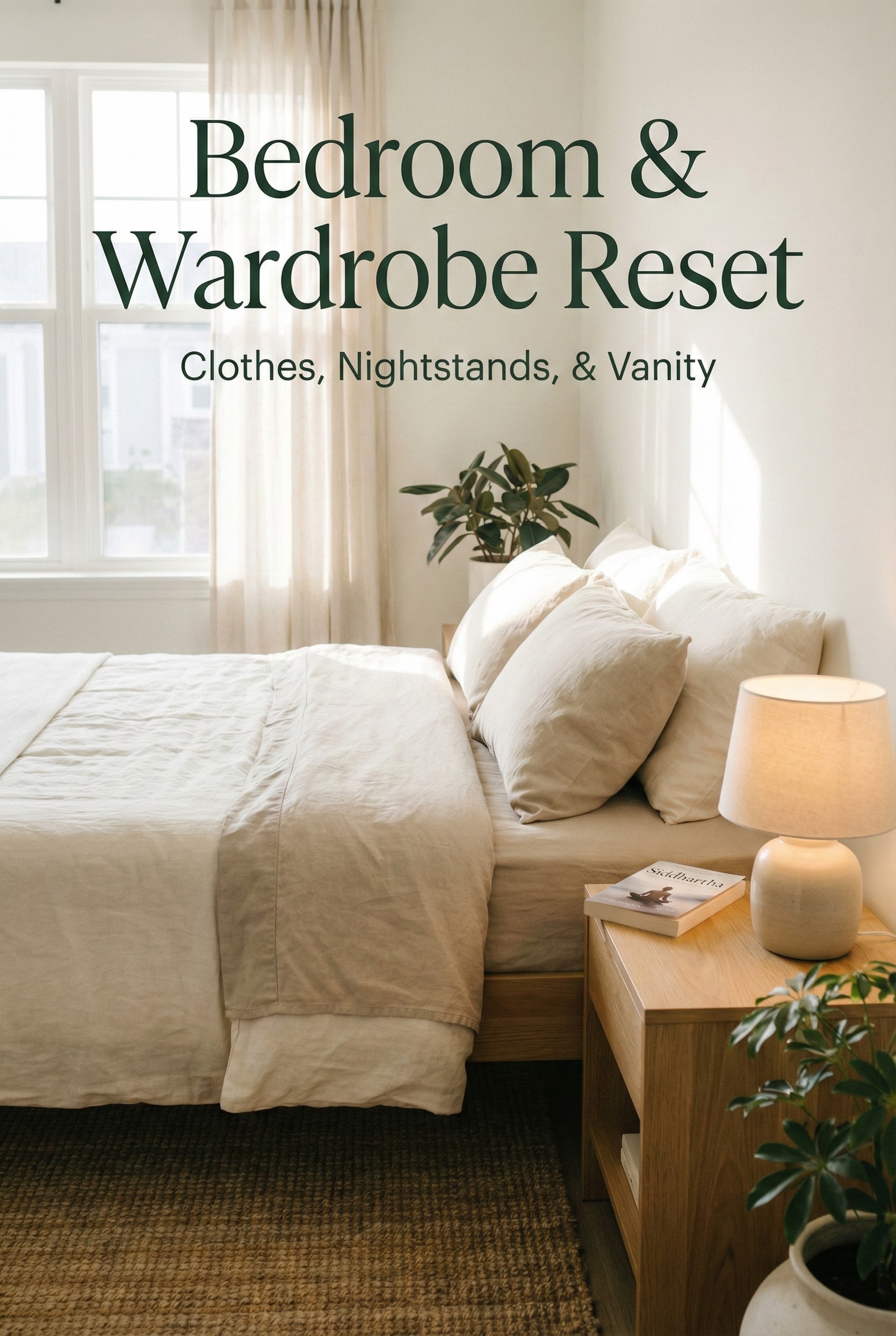
Day 15: Nightstands
Clear the top of your nightstand. You only need a lamp, maybe a book, and a glass of water. A clear space next to your bed promotes a calm mind before sleep.
Day 16: Clothes (Tops and Bottoms)
Go through your wardrobe. If something doesn’t fit, is damaged, or you haven’t worn it in a year, donate it. Simplify your choices for a stress-free morning.
Day 17: Socks and Underwear
Discard socks with holes or missing pairs. Fold the remaining ones neatly so you can see everything at a glance.
Day 18: Accessories, Scarves, and Bags
Organize your hijabs, scarves, jewelry, and handbags. Use hooks or drawer dividers to keep them accessible and tangle-free.
Day 19: Shower and Bathtub
Remove empty shampoo bottles. keeping only the products you use daily. If you have guest products, store them in a separate cupboard, not on the shower ledge.
Day 20: Vanity and Cosmetics
Check the expiry dates on makeup and lotions. Old eye makeup can cause infections. Clean your brushes. Keep the counter as clear as possible.
Day 21: The Medicine Cabinet
Dispose of expired medications safely. Organize bandages, thermometers, and daily vitamins so they are easy to grab when needed.
Week 4: Storage, Paper, and Digital
The final stretch deals with the categories that are often hidden but weigh heavily on our minds.
Day 22: Linens and Towels
Go through your linen closet. Ragged towels can be cut up for cleaning rags or donated to animal shelters. Keep a reasonable number of sheet sets per bed (usually two is enough).
Day 23: Cleaning Closet/Laundry Room
Organize your detergents and brooms. Wipe down the washer and dryer.
Day 24: Paperwork and Mail
Sort through that pile of paper. File important documents (taxes, IDs). Shred sensitive documents you no longer need. Recycle junk mail immediately.
Day 25: Sentimental Items
This is the hardest category. Select a few treasured items to display or keep in a special “memory box.” Take photos of items you want to remember but don’t have space to keep.
Day 26: Digital Declutter (Phone)
Delete unused apps, blurry screenshots, and old text messages. Organize your home screen.
Day 27: Digital Declutter (Computer)
Empty your desktop screen. Delete old downloads. Back up your important photos and files to an external drive or cloud storage.
Day 28: Car Clean Out
Bring a trash bag to your car. Throw away wrappers and receipts. Bring in items that belong in the house. Vacuum the mats.
Day 29: Garage or Basement (Quick Sweep)
You can’t organize a whole garage in one day, but you can do a quick sweep. Focus on obvious trash and large items you can donate.
Day 30: Final Walkthrough and Celebration!
Walk through your home. Enjoy the clear surfaces and organized shelves. Light a nice candle (or use an essential oil diffuser) to scent your fresh home. You did it!
Maintaining Your Clutter-Free Home
Now that you have completed the 30-day challenge, the goal is maintenance. Adopt the “One In, One Out” rule: whenever you buy something new, something old must leave the house. spend 10 minutes every evening doing a “reset,” putting things back in their designated places.
A tidy home is a backdrop for a peaceful life. It allows you to focus on what truly matters: your family, your worship, your hobbies, and your peace of mind.
Happy Decluttering!
📌 Save This for Later!
Don’t let this info get lost in your feed. Save this guide to your Pinterest Boards to keep these tips handy for next time.