We often talk about how much we eat or how much we exercise, but we rarely give enough thought to when we sleep. Have you ever wondered why your toddler fights sleep at 7:00 PM but crashes at 8:00 PM? Or why your teenager suddenly transforms into a night owl?
The truth is, our sleep needs are not static. As we journey through life, our internal biological clock (circadian rhythm) shifts. What works for a 7-year-old will leave a 40-year-old feeling groggy, and what works for an adult might be completely unnatural for a teenager.
In this comprehensive guide, we are going to explore the Best Bedtime Chart by Age Group. We will break down the science behind these numbers and help you find the perfect sleep window for every member of your family—from the littlest ones to the elders.
Why One Bedtime Doesn’t Fit All
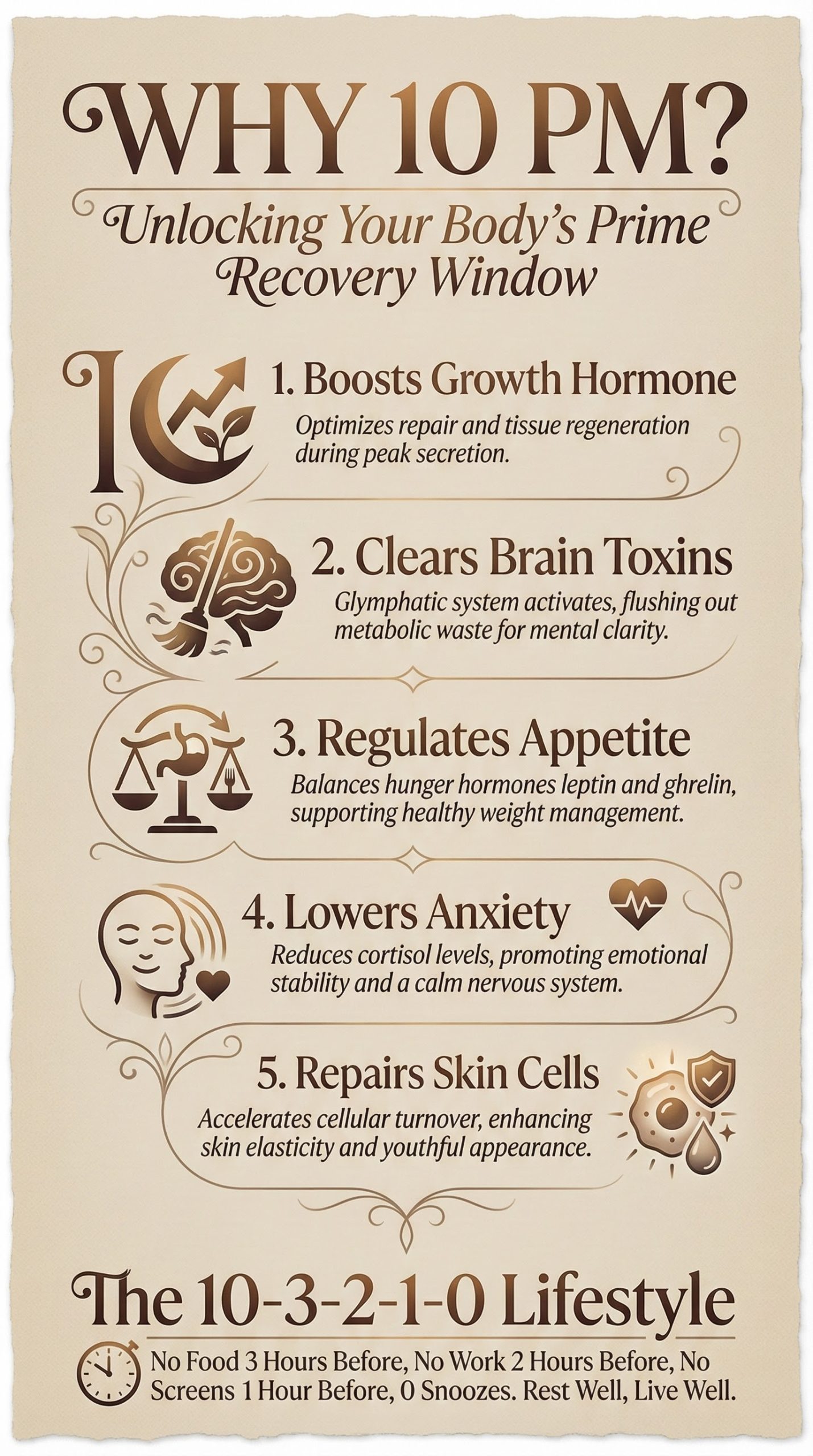
Sleep is not just “shutting down” the system. It is an active state where growth hormone is released, memories are consolidated, and the brain flushes out toxins.
However, the priority of these tasks changes as we age:
- Babies and Children need sleep primarily for physical growth and brain maturation.
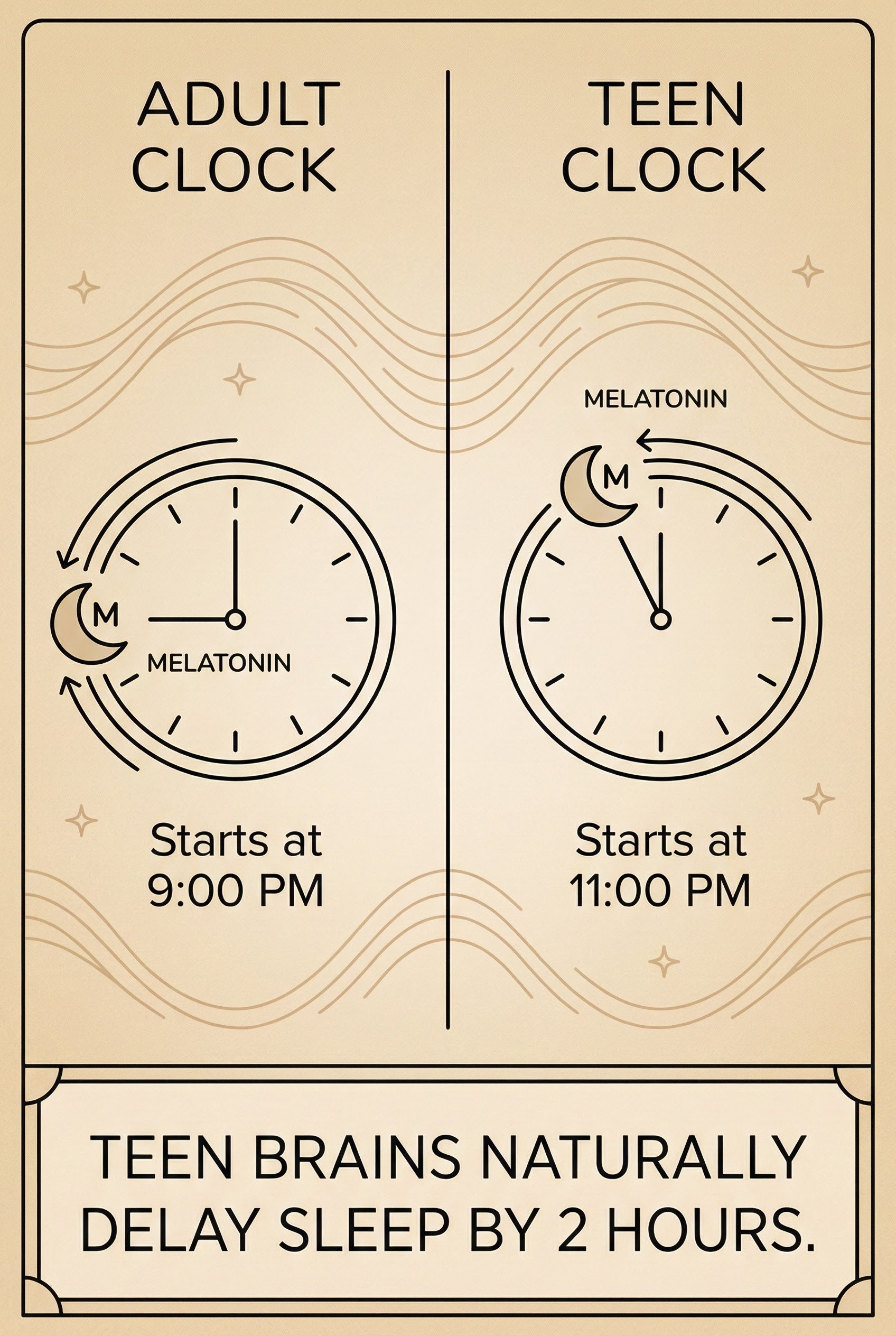
- Teens undergo a massive “pruning” process in the brain and a hormonal shift that naturally delays their sleep clock.
- Adults need sleep for cell repair and emotional regulation.
- Seniors often experience a shift back to earlier wake times due to changes in melatonin production.
Understanding these biological needs removes the guilt and frustration. It’s not about being “lazy” or “difficult”; it is biology.
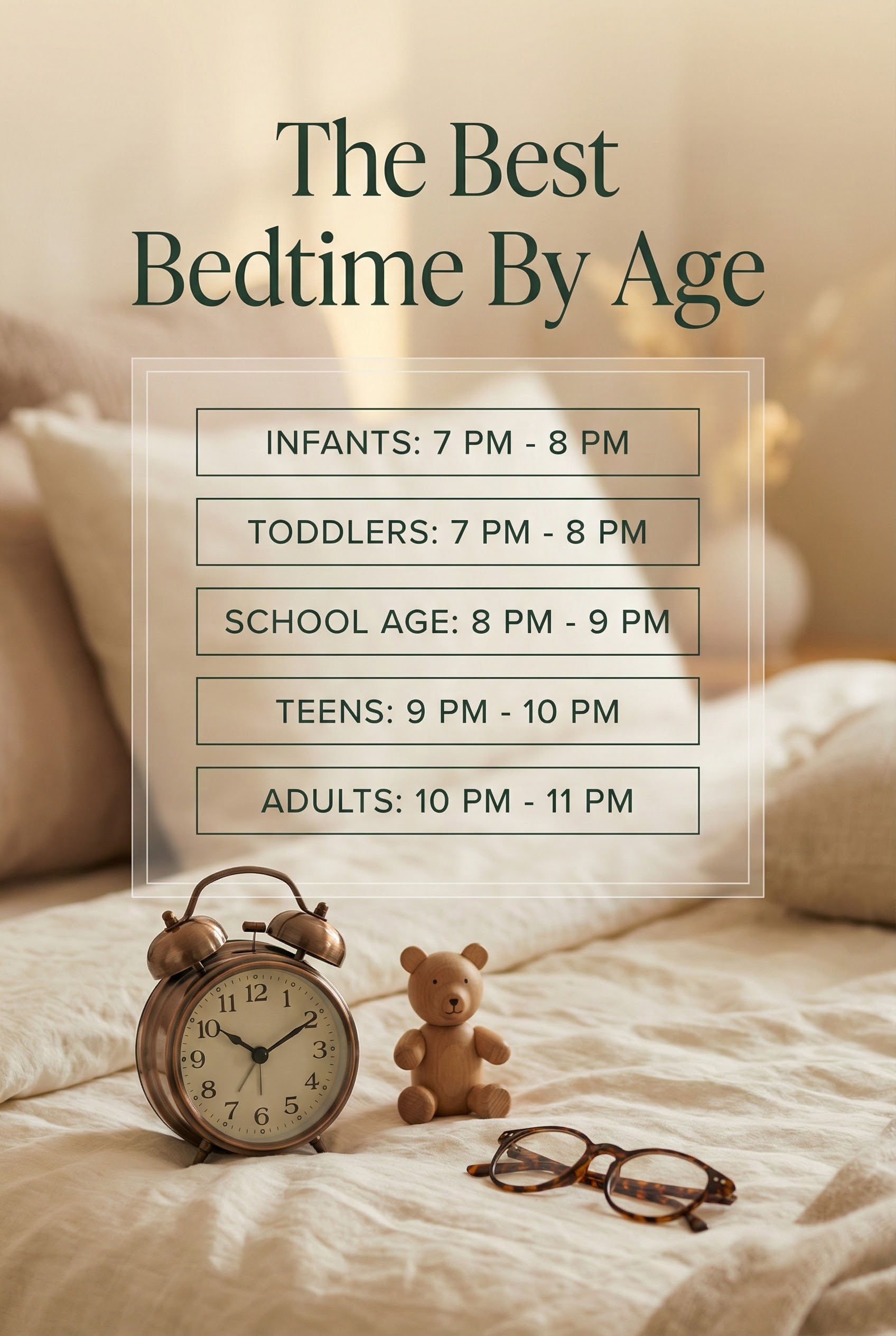
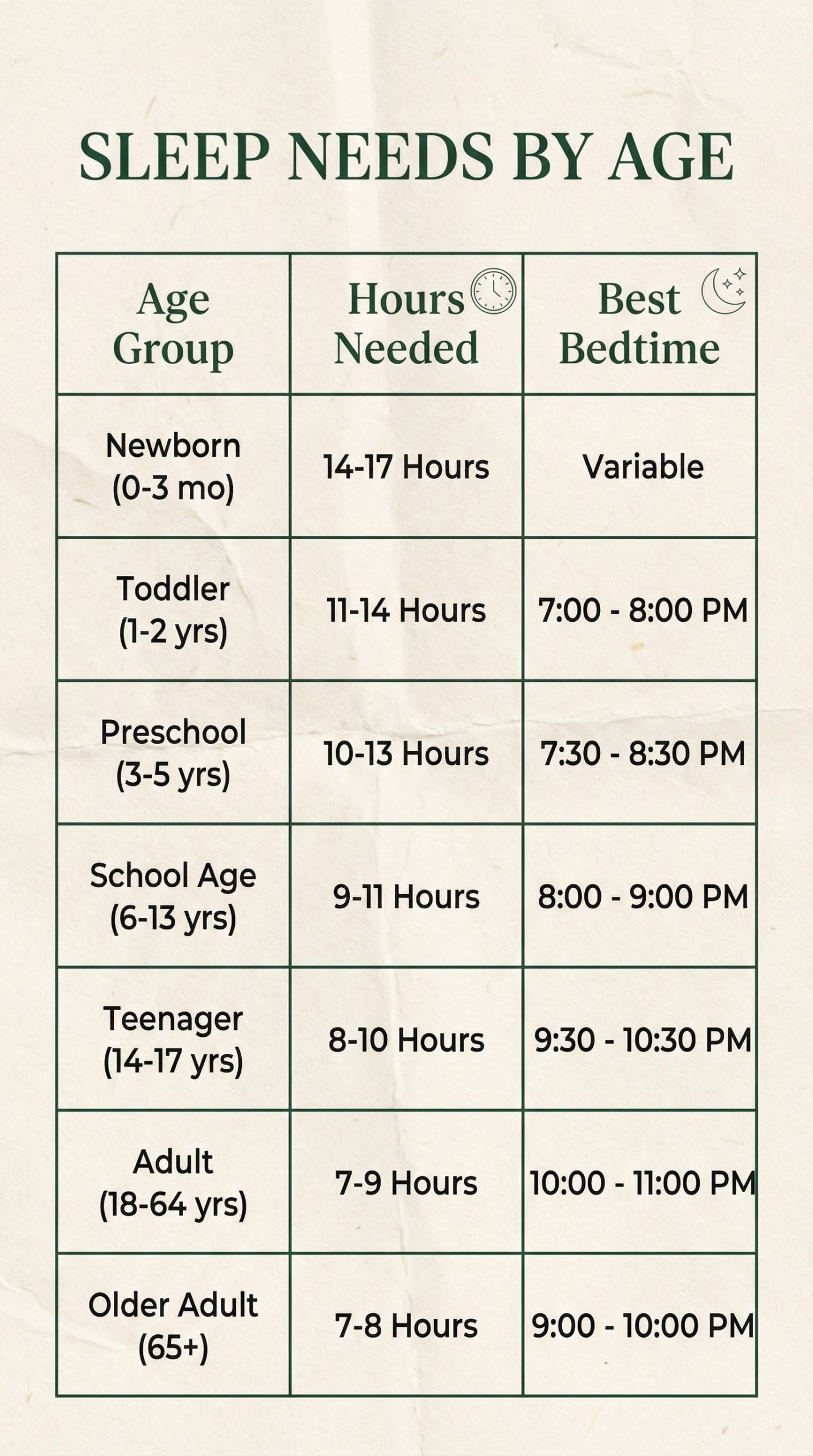
The Master Chart: Recommended Sleep & Bedtimes
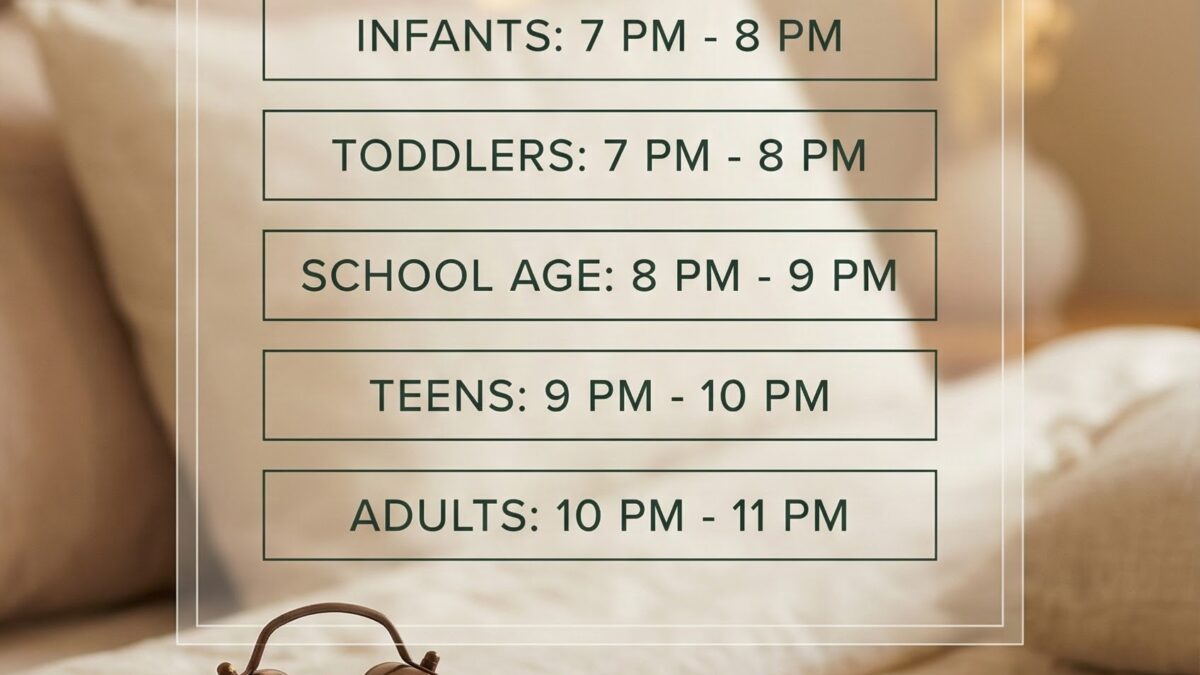
Before we dive into the details, here is the overview. This chart is based on recommendations from the National Sleep Foundation and pediatric guidelines.
Deep Dive: Analyzing Each Age Group
1. Newborns to Toddlers (0-2 Years)
- The Goal: Growth and Routine Building.
- The Reality: At this stage, sleep is polyphasic (happens in multiple chunks).
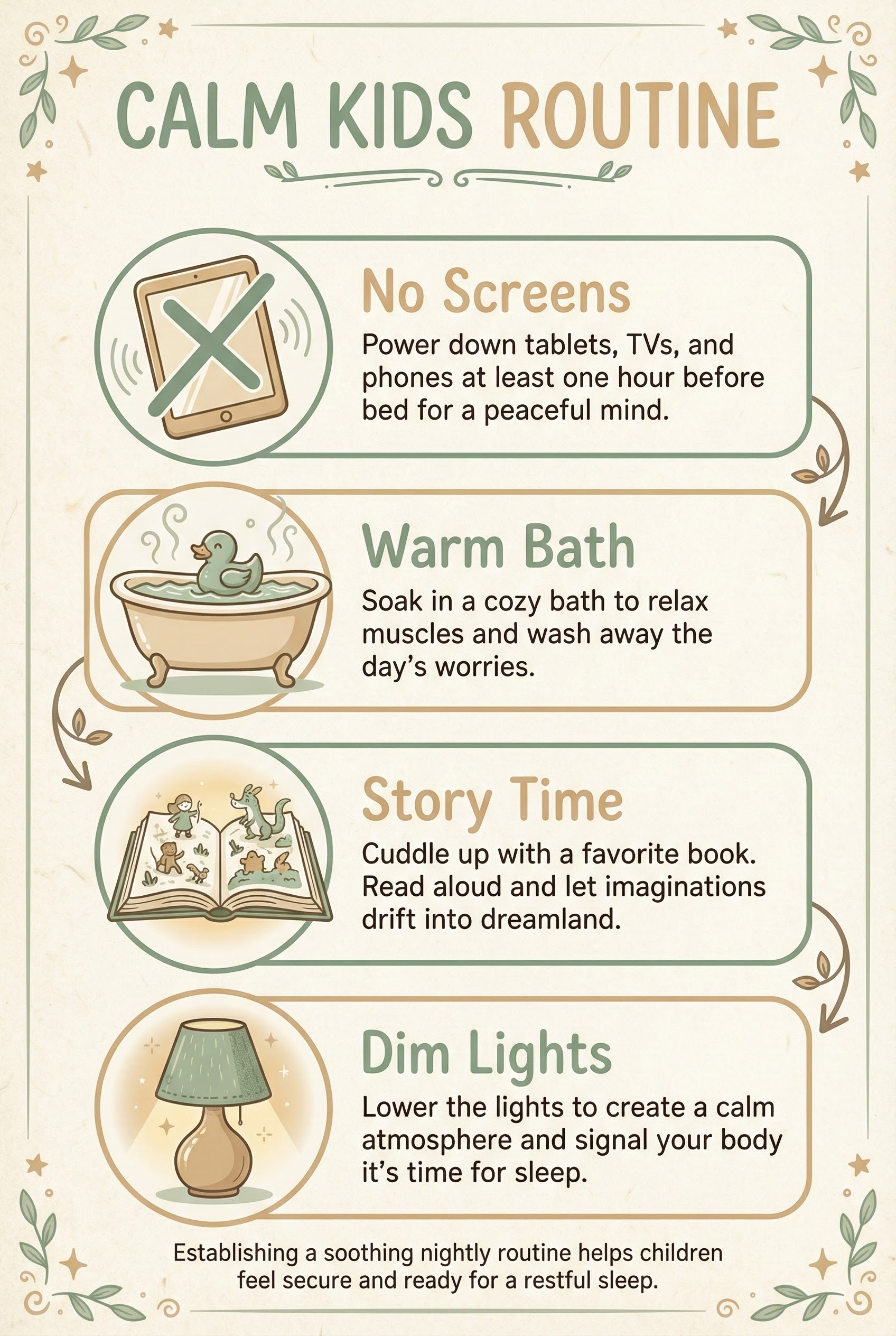
- Expert Tip: Consistency is key. A bedtime routine involving a warm bath and dim lights signals to the baby that night has arrived. Early bedtimes (around 7:00 PM) prevent overtiredness, which—counterintuitively—makes it harder for them to fall asleep.
2. School-Age Children (6-13 Years)
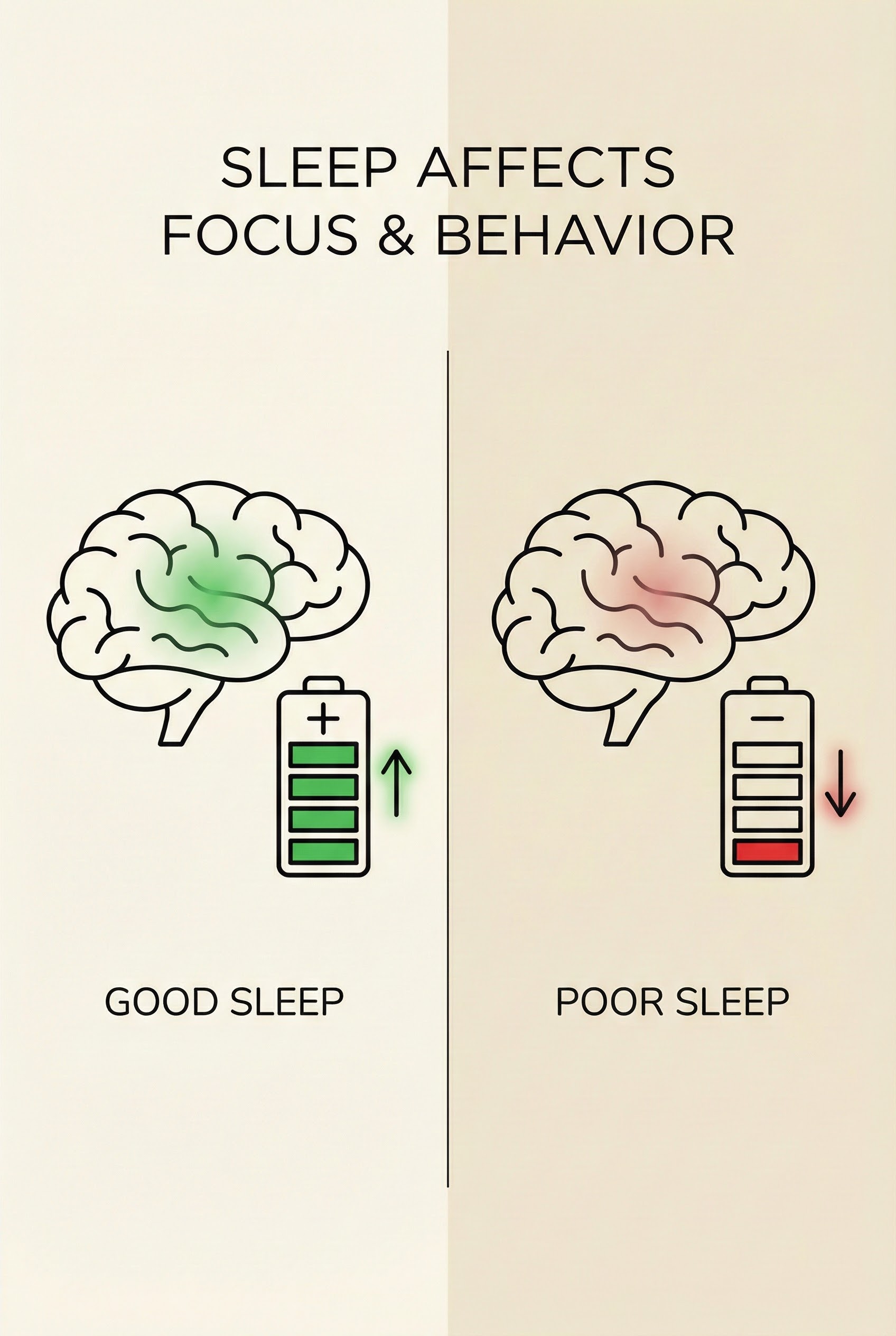
- The Goal: Cognitive Performance and Focus.
- The Reality: This is when homework and screen time start to interfere.
- The Strategy: Children in this bracket who lack sleep often don’t look tired; they look hyperactive. If your child is struggling to focus or is emotionally volatile, try moving bedtime up by 30 minutes.
3. Teenagers (14-17 Years)
- The Goal: Mental Health and Academic Stamina.
- The Reality: This is the most misunderstood group. During puberty, there is a “sleep phase delay.” Their bodies naturally don’t secrete melatonin until later in the night (around 11:00 PM).
- The Strategy: While they naturally want to stay up late, they still need 8-10 hours. If they must wake up at 6:30 AM for school, a 10:00 PM bedtime is technically necessary, though difficult. Encouraging a “tech-free wind-down” at 9:30 PM is more effective than forcing sleep.
4. Adults (18-64 Years)
- The Goal: Restoration and Long-term Health.
- The Reality: We often sacrifice sleep for “me time” (Revenge Bedtime Procrastination).
- The Strategy: The sweet spot is typically 10:00 PM – 10:30 PM. This aligns with the drop in body temperature and cortisol levels. Sleeping at this time maximizes the amount of Deep Sleep and REM cycles you get before the morning.
5. Older Adults (65+)
- The Goal: Maintenance and Quality.
- The Reality: As we age, we produce less melatonin, and our sleep becomes lighter (more fragmented). Seniors often feel sleepy earlier in the evening.
- The Strategy: It is natural to wake up early. Fighting the urge to sleep at 9:00 PM might result in “second wind” wakefulness. Listen to the body.
Signs You Are Not Sleeping at the Right Time
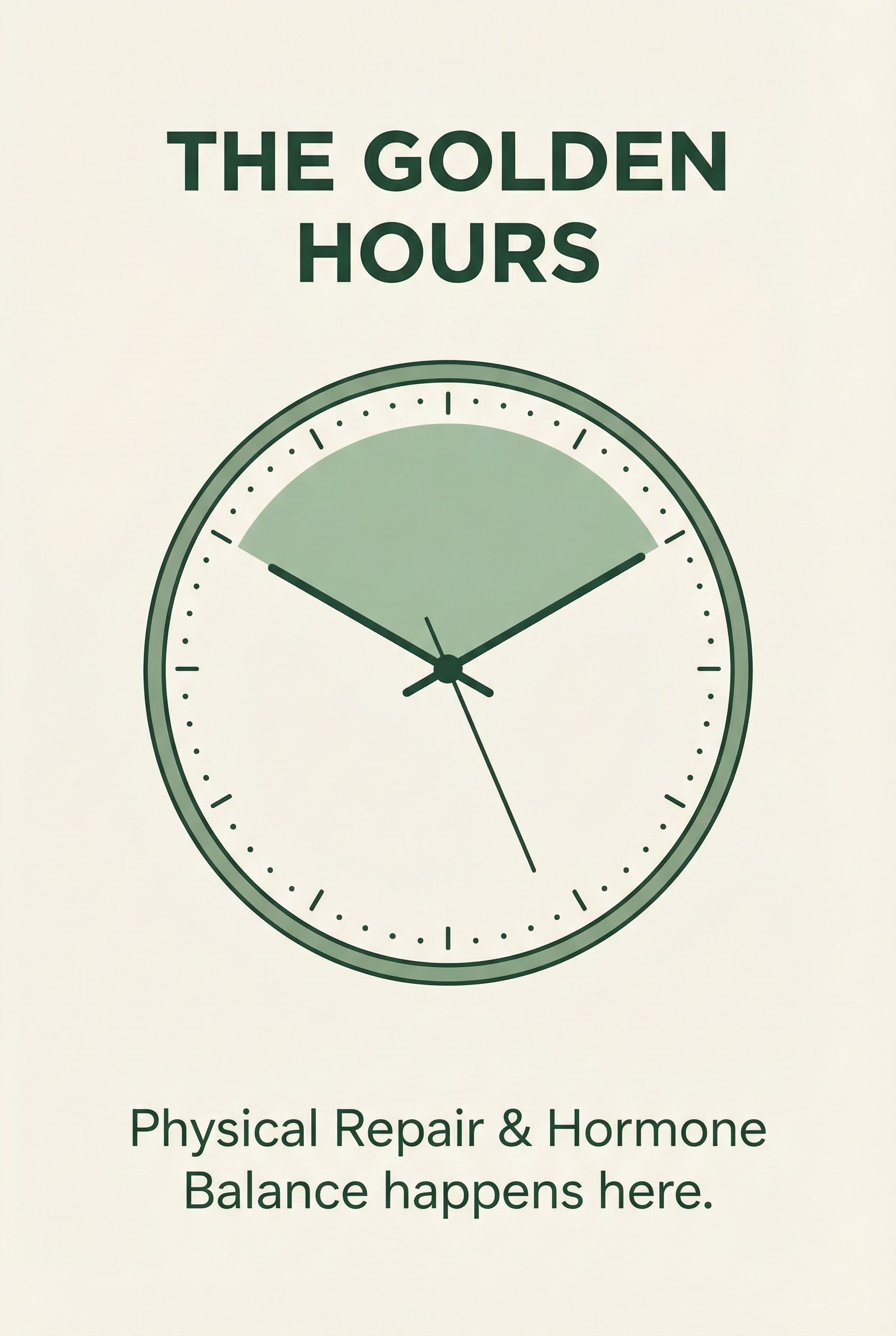
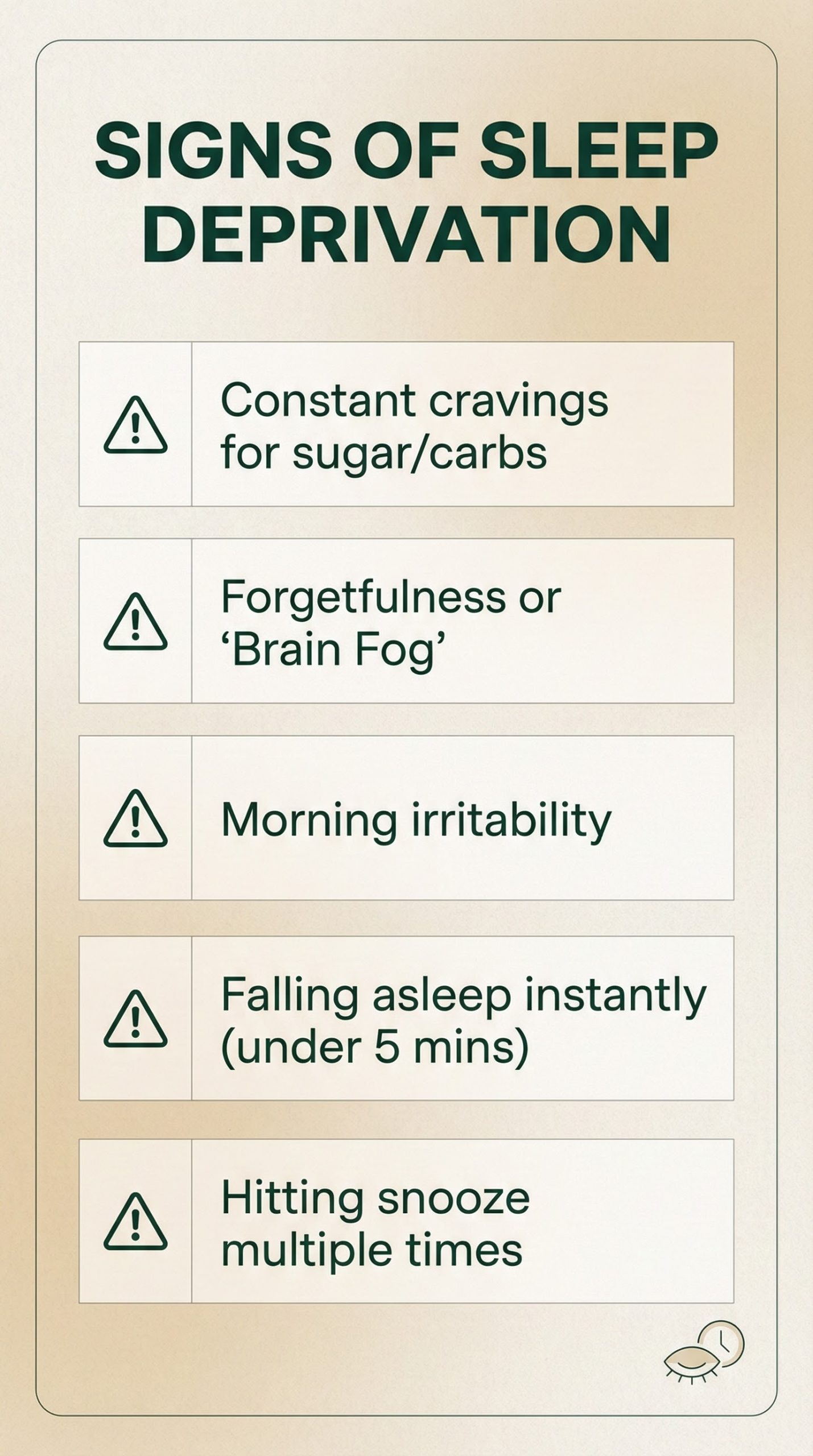
Even if you get 8 hours of sleep, timing matters. If you sleep from 2:00 AM to 10:00 AM, you might still feel groggy. Why? Because you missed the restorative window that aligns with the sun.
Watch out for these signs:
- High dependency on caffeine: Needing coffee immediately to function.
- Mood swings: Feeling irritable or anxious without a clear reason.
- Skin issues: Dullness, breakouts, or dark circles (cortisol spikes affect collagen).
- Weight gain: Lack of sleep increases ghrelin (hunger hormone) and decreases leptin (fullness hormone).
How to Fix a Broken Sleep Schedule
If your current routine is far off from the chart, don’t try to fix it in one night. The body resists drastic changes.
- The 15-Minute Rule: Shift your bedtime earlier by just 15 minutes every 2 or 3 days.
- Morning Sunlight: This is the most powerful tool. Light entering your eyes in the morning sets your clock for the night.
- No Naps After 3 PM: Late naps decrease “sleep pressure,” making it harder to fall asleep at night.
- Sunnah Tip: If you need a nap, try the Qailulah (mid-day nap) between Dhuhr and Asr, but keep it short (20 mins).
- Cool Down: Your body temperature needs to drop to initiate sleep. A cool room or washing your face/feet (like Wudu) helps this process.
Frequently Asked Questions (FAQ)
Q: My child fights bedtime. Should I let them stay up until they are tired? A: No. Ironically, when kids pass their “sleep window,” their bodies release cortisol and adrenaline, making them hyperactive and harder to settle. Stick to the routine even if they don’t seem tired.
Q: Is it okay to catch up on sleep on the weekends? A: Sleeping in slightly is fine, but shifting your wake-up time by more than an hour leads to “social jetlag.” It makes waking up on Monday morning much harder. It is better to go to bed earlier than to sleep in late.
Q: Does the “bedtime” mean sleeping time or getting into bed time? A: Bedtime in the chart refers to when you should be asleep. You should be in bed, winding down without screens, at least 15-30 minutes before that time.
Q: I am a night owl naturally. Can I just sleep 2 AM to 10 AM? A: While some people have a genetic delay, humans are diurnal creatures (active during the day). Sleeping late often means missing peak sunlight hours, which affects Vitamin D and serotonin. Try to shift gradually to a slightly earlier rhythm if possible.
📌 Save This for Later!
Don’t let this info get lost in your feed. Save this guide to your Pinterest Boards to keep these tips handy for next time.