

Why Rinsing Your Rice is the One Step You Can’t Skip
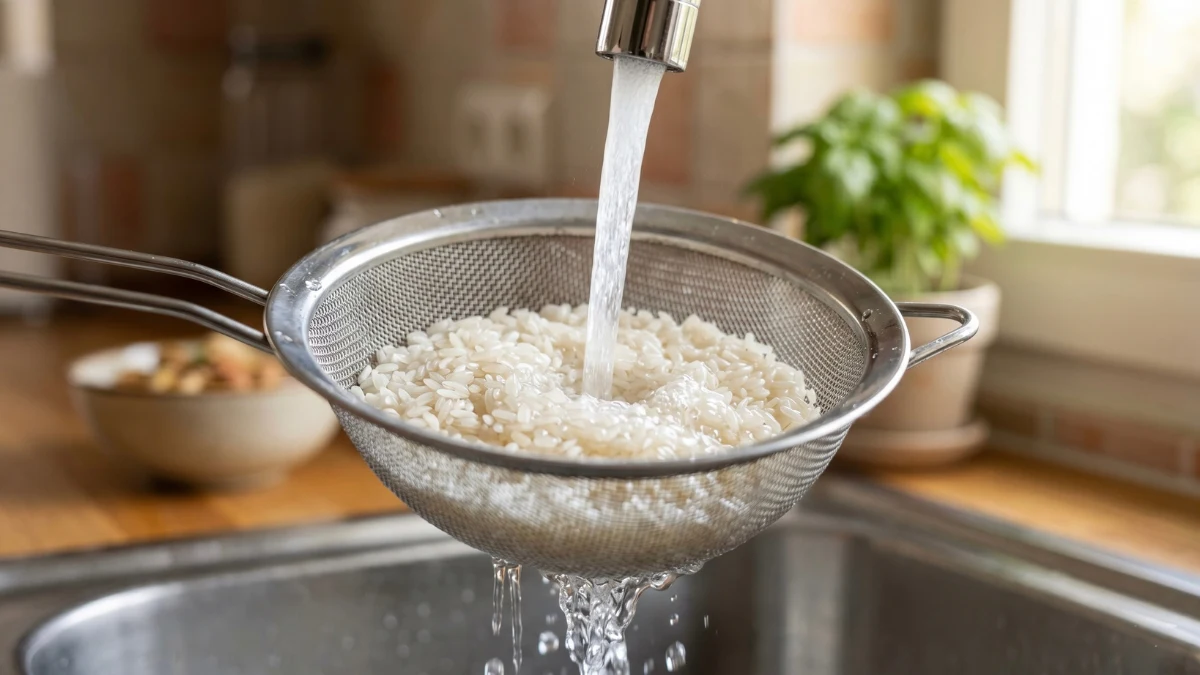
Picture this: it is a busy Tuesday evening. You are trying to put dinner on the table, and the recipe calls for a quick side of rice to complete the meal. You glance at the strainer, then at the pot, and think to yourself, “Does it really matter if I skip the rinse just this once?”
If you have ever found yourself staring down a bag of grains and debating whether to turn on the tap, you are in excellent company. Grab your favorite mug of coffee, settle in, and let’s have a chat about why that seemingly small step is actually the backbone of a perfectly executed meal. We are diving deep into the modern science, the culinary traditions, and the practical reasons why washing your rice is a non-negotiable step in the kitchen.
The Modern Reality: Washing Away Contaminants and Microplastics
In recent years, our understanding of what ends up in our pantries has shifted dramatically. We are no longer just washing away the occasional speck of field dirt or leftover husk from the agricultural process. Modern environmental studies have highlighted a new concern that affects almost all commercially packaged foods: microplastics.
Whether you buy your rice in eco-friendly paper bags, bulk burlap sacks, or standard plastic packaging, trace amounts of microplastics inevitably make their way into the food supply chain. According to recent scientific analyses, a thorough rinse under cold water can wash away up to 20% of these microscopic plastics from uncooked rice.
This is not about inciting panic; rather, it is about taking simple, practical steps in your kitchen to build a healthier environment for your family. When you swirl those grains under the tap, you are actively flushing away modern contaminants that previous generations simply did not have to consider. It is a one-minute habit that provides immediate peace of mind.
Heavy Metals: The Arsenic Conversation
If you follow nutrition news, you have likely encountered discussions about heavy metals, specifically arsenic, in rice. Because of the unique way rice grows—often in flooded agricultural fields—the plant naturally absorbs more water-soluble elements from the soil and water compared to other cereal crops. This includes inorganic arsenic, which is naturally occurring but something we want to minimize in our daily diets.
Here is where your trusty kitchen strainer comes to the rescue. While specific cooking methods (like boiling rice in a massive excess of water and draining it, similar to cooking pasta) are the most effective way to reduce heavy metals, washing your rice before it even hits the stove is your first line of defense.
According to independent food safety researchers and modern nutritional studies, rinsing your grains is an incredibly effective way to minimize unwanted heavy metals. In fact, peer-reviewed data indicates that up to 50% of the bio-accessible arsenic resting on the exterior of the grain can be safely washed down the drain. For a household that consumes rice regularly, this simple mechanical action yields a much safer, cleaner foundation for your meals.
The Culinary Science of Fluffy, Distinct Grains
Let’s step away from the health and safety aspects for a moment and talk about pure flavor and texture. Have you ever ended up with a pot of gummy, sticky rice when you were hoping for distinct, fluffy grains that easily separate with a fork? The culprit is almost always surface starch.
During the milling and packaging process, the grains constantly rub against each other. This friction produces a fine, powdery dust made primarily of amylose (a specific type of starch). If you do not wash this dust away, it acts exactly like glue the moment it hits hot water in your pot. The heat causes this free-floating starch to gelatinize rapidly, binding the individual grains together into a dense, unappealing mass.
By rinsing the rice until the water runs mostly clear, you are physically removing that excess starch debris. This allows each individual grain to cook evenly and separate beautifully upon fluffing. It is the core technique behind the perfect texture you find in your favorite high-quality restaurants. You do not need any special culinary tricks to make fluffy rice; you just need cold water, a strainer, and a little bit of patience.
The Anatomy of Different Rice Varieties
Not all grains are milled or processed equally, which means the washing process impacts them differently. Let’s break down how this step applies to a few common pantry staples:
- Jasmine and Basmati: These long-grain aromatic varieties are beloved for their beautiful fragrance and distinct, separate grains after cooking. Rinsing is absolutely crucial here. Removing the surface starch prevents them from clumping together, allowing the aromatic compounds to shine and yielding a fluffy mound that pairs perfectly with hearty stews.
- Sushi Rice (Short-Grain Japanese Rice): If you are preparing sushi at home, washing is arguably the most important prep step. Short-grain rice is naturally very sticky due to a higher amylopectin content. While you want that inherent stickiness to hold the sushi rolls together, excess surface starch will turn the cooked rice into an unworkable paste. You must wash it thoroughly to achieve the correct balance of cling and distinct grain structure.
- Brown Rice: Because brown rice still has its nutrient-dense bran layer and germ intact, it does not have the exact same starchy dust coating as highly polished white rice. However, washing brown rice remains highly recommended. The intact bran layer means it has had more exposure to environmental elements, and washing helps remove any lingering field dust.
- Wild and Colored Varieties: Black, red, and wild grains are often less industrially processed than their white counterparts. Because of this, it is often harder to remove natural impurities during commercial processing. A thorough rinse guarantees that you are removing any microscopic chaff or field debris before cooking.
Real Talk: What the Home Cooking Community Says
Sometimes the most practical advice comes straight from home cooks who test these theories night after night in their own kitchens. If you browse through the bustling communities on platforms like Reddit, specifically in the highly active r/Cooking community, you will find passionate, real-world discussions about this exact topic.
Many daily cooks point out that the necessity of washing often depends heavily on the packaging and origin of the grain. For instance, home cooks frequently note that if you are buying bulk long-grain or imported specialty rice, washing makes a massive, undeniable impact on the finished product. One user accurately summarized the community sentiment by stating that if you buy red or black rice, you should always wash it, as natural impurities are simply harder to filter out industrially.
The general consensus from thousands of experienced home cooks? Unless the package explicitly gives you instructions to skip the process, giving your grains a quick bath is always worth the minimal effort it requires.
How to Rinse Rice Like a Pro: A Practical Guide
Now that we understand the deep reasoning behind the process, let’s talk about the actual execution. Rinsing rice is not just about holding a sieve under a running tap for five seconds and hoping for the best. To truly optimize your results and achieve that restaurant-quality texture, follow these practical steps:
- Use the Right Equipment: Place your measured rice in a fine-mesh strainer or a dedicated rice washing bowl with specialized drainage slits. A regular colander will often let smaller grains slip through the holes.
- Cold Water Only: Always use cold water. Warm or hot water will begin to soften the exterior of the grain and initiate the starch gelatinization process prematurely, leading to mushy results.
- Purposeful Agitation: Submerge the rice in a bowl of cold water (or run the tap directly over it) while gently swishing the grains with your fingers. Do not crush or vigorously squeeze them; simply rub them lightly against each other in a circular motion. This physical friction is what dislodges the starch and surface impurities.
- Watch the Water: The first wash will be extremely cloudy and milky white. Drain that starchy water completely, refill the bowl, and repeat the agitation process.
- Know When to Stop: You rarely need the water to be perfectly, crystal clear. Three to four rinses are usually the sweet spot for most white rice varieties. Once the water looks mostly translucent with just a faint hint of cloudiness, you are ready to drain it one final time and begin cooking.
Is Soaking the Same as Washing?
A common question that arises in the kitchen is whether soaking rice achieves the same result as washing it. The scientific answer is no. Soaking allows water to deeply penetrate the core of the grain, which alters the total cooking time and the final texture. Rinsing, on the other hand, is purely a surface-level mechanical action designed to clean. If a specific recipe calls for soaking your grains, you should always rinse the rice first, discard that cloudy water, and then soak the grains in a fresh, clean batch of water.
Are There Times You Shouldn’t Wash Rice?
As with all general rules in the culinary world, there are a few notable exceptions where you should actually put the strainer away.
You should skip the rinse entirely if you are making a dish that specifically relies on that free surface starch to build a thick, creamy sauce. The most famous example of this is Italian risotto. Short, plump grains like Arborio or Carnaroli are highly prized for their unique ability to release starch slowly and steadily during the cooking process, yielding that signature velvety texture. Washing them would strip away the very element that makes a risotto successful.
Additionally, some regions sell heavily fortified white rice. In these cases, the grains are intentionally coated with a powdered vitamin and mineral blend after the milling process to boost their nutritional profile. The packaging on these specific products will clearly state “do not rinse” or “enriched,” as washing would immediately flush those valuable added nutrients down the drain. Always take a quick glance at the label if you are unsure.
The Final Verdict
Taking an extra sixty seconds to wash your rice might feel like a minor inconvenience when you are hungry and in a rush to get dinner served. But those sixty seconds do an incredible amount of heavy lifting behind the scenes.
From sweeping away modern environmental impurities and surface-level heavy metals, to guaranteeing a pot of perfectly fluffy, distinct grains that elevate your entire meal, rinsing is the ultimate foundational step in good home cooking. So next time you reach for that bag of Jasmine or Basmati in your pantry, treat the grains to a quick cold-water bath. Your taste buds, your texture preferences, and your overall well-being will thank you.
Now, go put that pot on the stove and enjoy a beautiful meal!