

The Viral ‘Ice Cube’ Hack to Remove Carpet Dents: Does It Actually Work?
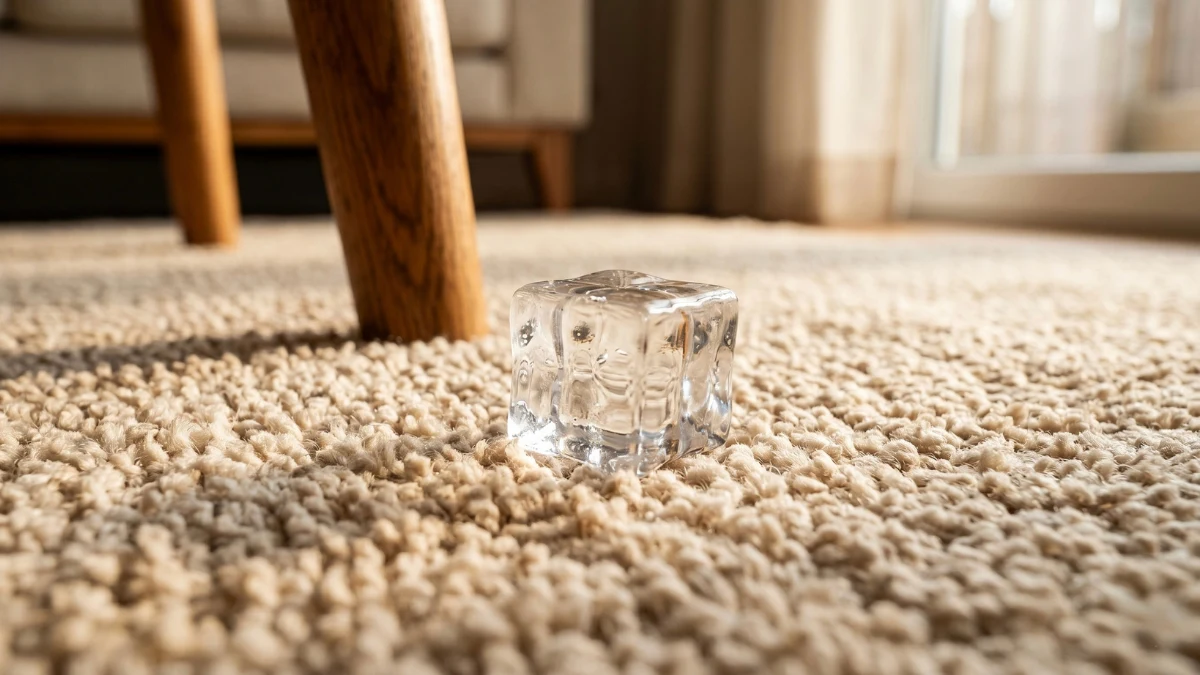
Imagine this scenario: You have finally found the perfect weekend to rearrange the living room. The heavy oak coffee table is shifting towards the window, and the sofa is moving to the opposite wall. You push, you slide the pieces into their new positions, and you step back to admire the fresh layout. But then, you look down at the floor. Staring back at you are four deep, stubborn craters embedded into your beautiful carpet, marking exactly where the furniture used to sit. It looks as though miniature meteorites have landed in the middle of your space.
Before you start pricing out new area rugs or frantically trying to brush the fibers with your bare hands, there is a surprisingly simple, low-tech solution. It requires no expensive chemicals, no heavy steam-cleaning machinery, and no professional intervention. In fact, the answer is sitting right now in your freezer. The “ice cube hack” has been circulating across home decor forums, Pinterest boards, and TikTok feeds for years. But does placing a frozen block of water on a crushed rug actually restore its volume, or is it just another internet myth that yields no real results? Grab a warm cup of coffee, get comfortable, and let us dive into the mechanics, the community experiences, and the exact steps to execute this brilliant trick flawlessly.
The Science of the Slow Melt: Why Ice Beats Liquid Water
At first glance, the concept might seem a bit counterintuitive. If the goal is to introduce moisture to the carpet fibers, why not simply pour a small glass of water over the dent and be done with it? The secret to this technique lies entirely in the pace of the hydration.
When a heavy piece of furniture rests on a carpet for months or years, it does not merely push the fibers downward; it severely compresses them. The weight squeezes out the air and forces the yarns to “remember” this flattened, rigid state. To reverse this, the fibers need moisture to swell, relax, and regain their original vertical structure.
If you pour liquid water directly onto the indentation, the liquid rushes straight through the pile and immediately soaks into the backing of the carpet. This rapid saturation can cause a host of problems. It can damage the underlay, encourage mildew to develop, and leave you with a soggy patch that takes days to dry out completely.
An ice cube, however, melts at a gradual, controlled pace at room temperature. This slow drip feeds moisture to the crushed fibers at the exact rate they can absorb it. Through capillary action, the liquid travels smoothly along the length of the yarns, plumping them up systematically. It is a steady hydration process that softens the rigid material without flooding the floor underneath. Natural materials like wool respond beautifully as their cuticles plump up with the slow moisture, while synthetic materials like polypropylene use the gentle temperature shift and hydration to regain their mechanical memory.
The Step-by-Step Guide to Flawless Execution
To achieve the best possible outcome, you cannot just throw ice at the floor and walk away. Precision and patience are key. Here is how to execute the process effectively.
1. The Prep Work
Before applying any moisture, thoroughly vacuum the indented area. Heavy furniture often traps dust, grit, and microscopic debris beneath its legs. If you add water to a dusty patch of carpet, you will inadvertently form a muddy stain that will be incredibly difficult to lift. Vacuuming ensures you are working with clean fibers.
2. The Strategic Placement
Take standard-sized ice cubes from your freezer. For a small, standard chair-leg dent, a single cube placed directly in the center of the crater is usually sufficient. If you are dealing with a larger, elongated trench left by a heavy bookshelf or a wide sofa base, line up several smaller cubes along the track. The goal is to cover the flattened surface area without building a mountain of ice.
3. The Waiting Game
This is where patience is required. Walk away and let the ice melt entirely on its own. Do not be tempted to speed up the process with a hairdryer or a space heater. The slow, natural melt is the core mechanism of this trick. Depending on the room temperature and the size of the cubes, this can take anywhere from three to twelve hours. Many homeowners prefer to set the ice right before heading to bed, allowing the process to unfold overnight.
4. The Gentle Grooming
Once the ice has completely melted, the area will be damp. Take a clean, dry, highly absorbent towel and gently blot the spot to remove any excess surface moisture. Do not rub or scrub. Next comes the crucial “fluffing” stage. You need to tease the relaxed fibers back into their upright position.
Reddit Weighs In: The Great “Spoon vs. Fork” Debate
When you look at real discussions on platforms like Reddit, the consensus regarding this trick is overwhelmingly positive, but it comes with some fascinating community insights. In various home improvement subreddits, users frequently share their triumphs, noting how dents from heavy hospital beds or massive oak cabinets vanished overnight.
Interestingly, real-world experiences highlight a fierce debate over the best tool to use during the final fluffing stage. While some users swear by gently dragging a clean plastic fork through the damp pile to rake the fibers upward, many experienced carpet owners strongly advise against anything sharp. A fork, especially a metal one, can easily snag, tear, and fray the delicate yarns, permanently damaging the texture. The community consensus heavily leans towards using the rounded edge of a spoon or even a large coin. These smooth objects provide the perfect amount of friction to coax the fibers upright without risking any snags or tears.
Another brilliant application discovered by the community is using this exact same method to fix curled rug corners. If a new area rug refuses to lay flat, Reddit users suggest placing a heavy object on the corner, flanked by a few ice cubes. As the slow moisture relaxes the stiff backing material overnight, the corner dries perfectly flat and stays that way.
When to Proceed with Caution
While this technique is incredibly effective for most modern carpets, it is not a universal cure-all. There are specific scenarios where you should pause before heading to the freezer.
- Antique or Natural Fiber Backings: If you have an exceptionally old rug or one with a jute or natural latex backing, be extremely careful. Over-wetting these materials can sometimes cause the backing to release natural oils or dyes, which can wick up to the surface and cause a brownish discoloration.
- Hidden Historical Spills: If there was ever a coffee or tea spill near that area years ago that sunk into the underlay, rehydrating the spot could “wake up” the old stain, pulling it back to the surface. Always test a small, hidden patch if you are unsure about the history of the flooring.
The Damp Towel Alternative for Stubborn Craters
What happens if you try the slow-melt technique, wait overnight, fluff the fibers, and the crater is still staring back at you? Some dents that have been pressed down for decades might need a slightly more aggressive approach.
For these stubborn marks, the community recommends the “steam iron” method. Lay a clean, damp (not soaking wet) white cotton towel directly over the stubborn indentation. Take your clothes iron, set it to a medium heat setting, and gently press it over the damp towel for a few seconds at a time. Never let the hot iron touch the bare carpet fibers directly, especially if they are synthetic, as they will melt instantly. The heat from the iron turns the moisture in the towel into targeted steam, which penetrates deep into the crushed yarns, forcing them to expand rapidly. After steaming, remove the towel and use your spoon to fluff the area while it is still warm.
Final Thoughts
Rearranging a room should be a joyful experience, an opportunity to breathe new life into your living space. Do not let temporary floor craters ruin the satisfaction of a fresh layout. By understanding the simple science of controlled hydration, you can restore your floors with minimal effort. The next time you move that heavy sofa, skip the frustration, grab a few cubes from the freezer, and let the smooth surface of the ice do the heavy lifting for you.