

The “Essential Oil Cotton Ball” Vacuum Hack: Brilliant Trick or Risky Mistake?
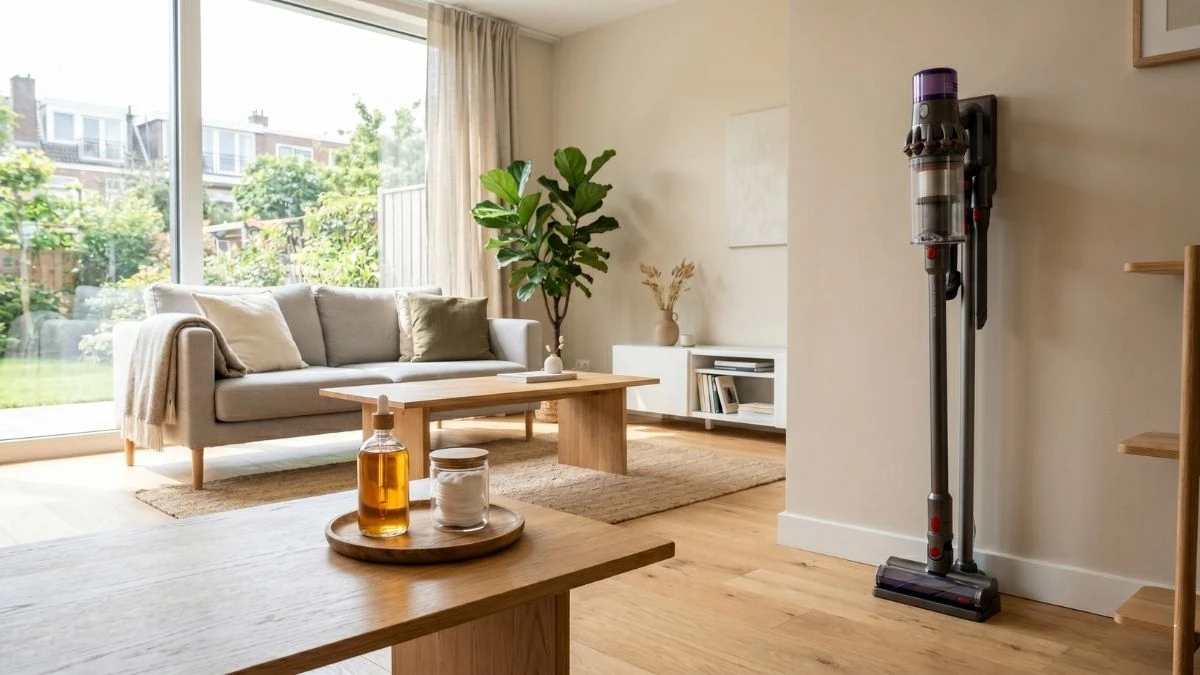
Vacuuming is one of those household chores that brings instant visual satisfaction, but the olfactory experience is often less than stellar. If you have ever fired up your trusty floor cleaner only to be greeted by a stale, dusty, or distinct “hot motor” scent blowing out of the exhaust, you are not alone. To combat this, a brilliantly simple home fragrance trick has taken the internet by storm: the essential oil cotton ball vacuum hack.
The premise is straightforward. By placing a scented cotton ball inside the vacuum’s dust canister or bag, the machine’s internal airflow disperses the fragrance throughout the room as you clean. It transforms a mundane chore into a whole-home aromatherapeutic session. But as this trend continues to dominate platforms like Pinterest and TikTok in 2026, serious questions have emerged. Does this method actually work, or is it merely an internet myth? More importantly, how does it impact the longevity of your machine, and what are the hidden risks for household pets?
Let us dive deep into the mechanics, the community feedback, and the safety protocols of this popular cleaning trend to see if it is truly worth incorporating into your routine.
How the Cotton Ball Vacuum Hack Actually Works
The architecture of a modern vacuum cleaner relies on continuous airflow. As the motor generates suction to pull dirt and debris from your floors, that same air must be expelled through an exhaust port. Before the air leaves the machine, it passes through the dust cup or vacuum bag, and finally through a series of filters (often HEPA filters) to ensure microscopic dust particles are trapped.
When you introduce a cotton ball infused with essential oils into this airflow pathway, the machine effectively becomes a high-powered, mobile diffuser. The air rushing past the cotton ball picks up the volatile aromatic compounds of the oil and propels them into the room.
Step-by-Step Execution
To execute this trick correctly and safely, follow these precise steps:
- Select a High-Quality Cotton Ball: Standard, 100% pure cotton balls work best because they absorb the oil efficiently without breaking apart quickly.
- Apply the Oil Sparingly: Add no more than three to five drops of your chosen essential oil directly onto the cotton. Over-saturating the cotton can lead to oil seeping into the mechanical components.
- Strategic Placement: Drop the scented cotton ball directly into the empty dust canister (for bagless vacuums) or into the vacuum bag.
- Vacuum as Normal: As the machine runs, the ambient temperature of the motor and the force of the exhaust will synthesize a pleasant aroma that fills the space.
The Best Essential Oils for a Fresh Home Atmosphere
Choosing the right scent can drastically alter the ambiance of your living space. Since different aromas trigger different psychological responses, you can tailor your cleaning routine to suit the specific needs of each room.
- Lemon and Sweet Orange: Citrus oils are universally recognized for their crisp, clean profiles. They are phenomenal for cutting through lingering cooking odors in the kitchen or dining areas. Lemon oil, in particular, builds an atmosphere of pristine cleanliness.
- Lavender and Cedarwood: For bedrooms and relaxation spaces, this combination develops a calming, grounded environment. Lavender brings a classic floral softness, while cedarwood adds a warm, woody anchor that lingers beautifully on carpets.
- Peppermint and Eucalyptus: If the goal is an invigorating, spa-like crispness, mint-based oils are unmatched. They are highly effective at masking the notorious “dusty” smell that older vacuums tend to emit.
Real Reddit Experiences: Does the Community Approve?
To understand how this hack performs in the real world, we can look at actual community experiences across popular home-care forums. On Reddit, this topic frequently surfaces in subreddits dedicated to practical living and household maintenance.
In a highly discussed r/LifeProTips thread, a user named ccmg12 shared that adding essential oil completely resolved their disdain for the “burnt motor” smell that typically accompanies vacuuming. They noted, “Not only will it smell better while vacuuming, your place will smell a little better afterwards too.” The post resonated with hundreds of users who shared similar frustrations with standard vacuum exhaust odors.
However, the Reddit community is also quick to provide technical corrections. Another user pointed out that a prominent “burnt rubber” smell often indicates a slipping vacuum belt rather than just stale air. While the cotton ball trick masks the odor beautifully, it is crucial to ensure that your machine is not actually suffering from mechanical wear and tear.
Over on r/CleaningTips, users have debated the placement of the oil. While some suggest putting drops directly onto the HEPA filter, the consensus strongly advises against this. Essential oils are concentrated plant extracts; placing them directly on a paper or fabric filter can clog the micro-pores, severely reducing the vacuum’s suction power and potentially burning out the motor. The cotton ball method acts as a safe buffer, allowing the scent to disperse without ruining the machine’s internal filtration system.
The Hidden Danger: Pet Safety and Toxic Oils
While a fresh-smelling home is a delightful prospect, it should never come at the expense of our furry companions. The most critical update to this cleaning hack in recent years is a heightened awareness of pet toxicity. What smells wonderfully refreshing to a human can be a severe health hazard to cats and dogs.
According to veterinary experts, including comprehensive guides from clinics like Vet Cross, pets process substances vastly differently than humans. Cats, in particular, lack specific liver enzymes (such as glucuronyl transferase) necessary to break down phenols and monoterpenes found in many essential oils. Because a vacuum disperses these volatile compounds rapidly into the air, pets can inhale them or groom microscopic droplets off their fur, leading to toxic buildup.
Oils to Strictly Avoid Around Pets
If you share your home with animals, you must completely avoid using the following oils in your vacuum:
- Tea Tree Oil (Melaleuca): Highly toxic to both cats and dogs, even in minute amounts. It can lead to severe neurological issues, tremors, and skin reactions.
- Eucalyptus: Can cause excessive drooling, vomiting, weakness, and seizures in household pets.
- Peppermint and Wintergreen: Contain compounds that can trigger severe gastrointestinal distress and liver complications.
- Clove and Citrus Oils: Often lead to central nervous system depression and liver damage, especially in feline companions.
If you observe symptoms such as lethargy, staggering, excessive drooling, or vomiting after vacuuming with essential oils, move your pet to an area with fresh air immediately and consult a veterinarian. To maintain a safe environment, always ensure the room is well-ventilated, and strictly utilize pet-safe alternatives if you choose to scent your home.
Will This Trick Void Your Vacuum Warranty?
Beyond health and safety, practical mechanical concerns must be addressed. Modern vacuums, especially high-end models from brands like Dyson, Miele, or Shark, are engineered with precise tolerances.
When you place a cotton ball inside a canister, it is subjected to intense cyclonic forces. If the cotton ball is overly saturated, the centrifugal force can spin the raw oil out onto the plastic walls of the dustbin. Over time, essential oils—which are naturally potent solvents—can degrade, cloud, or even crack the polycarbonate plastics used in vacuum construction.
Furthermore, if oil droplets bypass the primary dust cup and reach the motor filter, they can attract and bind fine dust, forming a cement-like paste that chokes the motor. If a manufacturer’s repair center discovers essential oil residue inside the motor housing during a repair evaluation, it is highly likely they will void the warranty.
To mitigate this risk, never exceed three drops of oil, and ensure the cotton ball has fully absorbed the liquid before placing it inside the machine.
Safer Alternatives for a Pristine Home
If the risks associated with pet toxicity or machine degradation make you hesitant, there are several highly effective, risk-free methods to keep your home smelling exceptional.
- Baking Soda and Dried Herbs: Instead of liquid oils, construct a natural deodorizing powder. Mix a cup of plain baking soda with crushed, dried botanicals (like dried lavender buds or rosemary). Sprinkle this mixture over your carpets, let it rest for fifteen minutes to absorb trapped odors, and then vacuum it up. The baking soda neutralizes the bad smells naturally, while the dried herbs leave a faint, organic scent.
- Wash Your Filters Regularly: Often, a smelly vacuum is simply a dirty vacuum. Establish a strict routine to wash your pre-motor filters every month with warm water and a drop of dish soap. Ensure they are completely dry before reinstalling them. This simple maintenance step eliminates the root cause of the dusty odor.
- Empty the Canister Immediately: Do not let pet hair, dander, and food crumbs fester inside the vacuum bag or dustbin in a warm closet. Emptying the machine immediately after every use prevents odor-causing bacteria from multiplying.
The Final Verdict
The essential oil cotton ball vacuum hack is undoubtedly an ingenious way to upgrade a routine chore. It leverages the inherent mechanics of your cleaning equipment to distribute delightful, mood-boosting aromas throughout your living space effortlessly.
However, it requires a mindful approach. By understanding the mechanical limits of your vacuum and fiercely protecting the health of your pets by avoiding toxic botanical compounds, you can safely employ this trick to maintain a beautifully fragrant home. When done right, it proves that sometimes the simplest household solutions are indeed the most effective.