

The Denture Tablet Hack to Deep Clean Narrow-Necked Vases (And Keep Flowers Fresh)
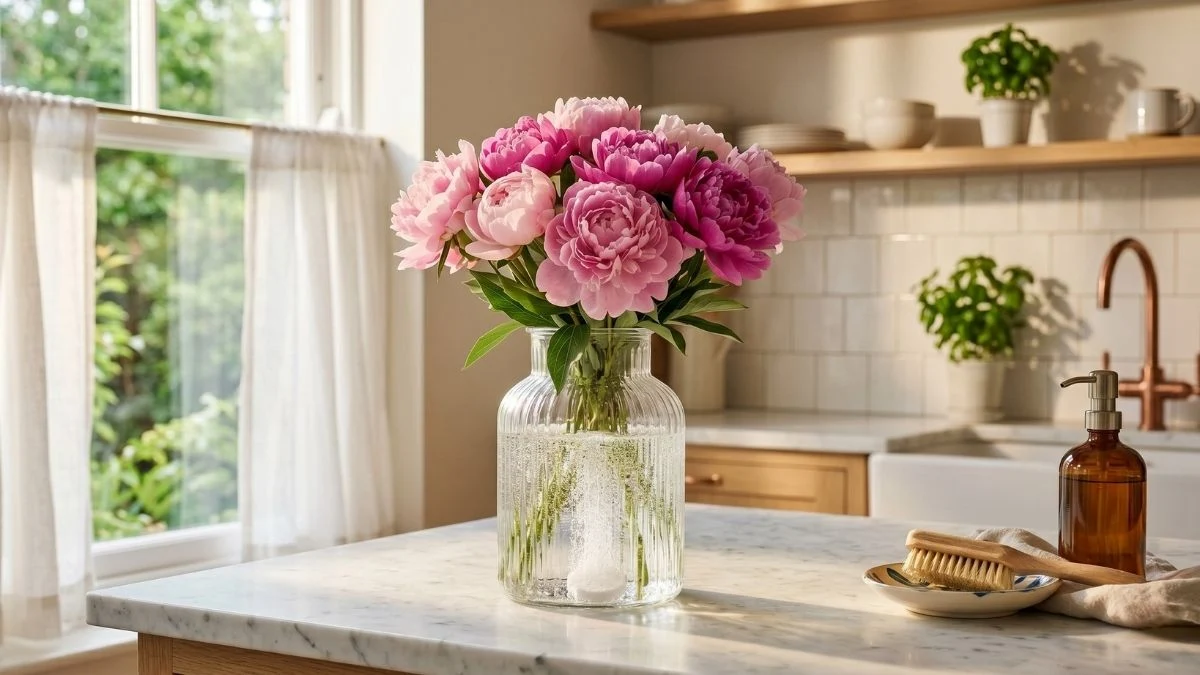
We all know the feeling. You treat yourself to a beautiful bouquet of fresh peonies, or maybe you finally score that stunning vintage crystal decanter at a local thrift store. You bring it home, display it proudly, and enjoy it for a week. But then comes the aftermath. Once the flowers are gone, you are left with a beautiful, narrow-necked vase that features a stubborn ring of green biofilm, cloudy hard water stains, and an opening far too small for your hand or a sponge.
Most of us try the awkward bottle brush maneuver, which usually ends up spraying soapy water everywhere while entirely missing the grime at the very bottom. Others try aggressively shaking soapy water, only to realize that agitation alone cannot remove a baked-on calcium stain.
But there is a brilliant, highly effective solution hiding in plain sight, and you do not need to visit a specialty cleaning aisle to find it. You just need to head to the dental care section of your local pharmacy.
The denture tablet cleaning hack has been quietly circulating in online forums and Reddit threads for years, but recent updates and floral expert insights have elevated it to an essential household routine. Here is the complete breakdown of why this simple tablet is the ultimate tool for deep cleaning narrow-necked glass, how to use it correctly, and the new 2025 floral trick that will change how you display your blooms.
The Chemistry: Why Denture Tablets Work So Well
To understand why this method is so effective, we have to look at the chemistry involved. Denture tablets are engineered to remove tough stains (like coffee, tea, and plaque) from porous surfaces without causing physical damage. They do not rely on harsh, corrosive chemicals that might etch delicate glass; instead, they synthesize a powerful combination of effervescence and gentle oxidation.
When you drop an effervescent tablet into water, a specific chemical reaction develops. Here is the exact breakdown of what goes on inside your cloudy vase:
- Citric Acid and Sodium Bicarbonate (Baking Soda): When these two ingredients meet water, they form the signature fizzing action. This bubbling is not just for show; it acts as a micro-scrubber. The constant upward movement of the bubbles helps lift dirt, biofilm, and residue away from the glass walls. Furthermore, the citric acid actively breaks down hard water mineral deposits and calcium rings.
- Sodium Hypochlorite or Oxygen Bleach: Most tablets contain a mild bleaching agent that works to dissolve stubborn organic stains (like the brown lines left by old flower water) and eliminate the bacteria responsible for that horrible stagnant water smell.
- Surfactants: These ingredients reduce the surface tension of the water, allowing the cleaning solution to penetrate deeply into the microscopic pores of the glass or crystal, lifting away the grime that standard dish soap leaves behind.
Because these tablets are formulated to be safe for dental appliances that go into the human mouth, they are inherently non-toxic and food-safe once rinsed properly. This makes them an exceptionally safe choice for kitchenware, thermoses, and vintage crystal.
The Step-by-Step Protocol for a Sparkling Vase
If you want to restore your thrifted finds or clouded vases to their original, pristine clarity, follow this method.
Step 1: The Warm Water Prep Empty the vase of any loose debris or old water. Fill the vase with warm water. Crucial warning: Never use boiling water, especially on cold or vintage glass. The extreme temperature shift will cause thermal shock, and your beautiful vase will crack or shatter instantly. Warm tap water is perfect. Stop filling about an inch or two from the rim to allow space for the fizzing expansion.
Step 2: Drop the Tablet For a standard-sized vase, one generic, unflavored denture tablet is sufficient. However, if you are cleaning an oversized floor vase or a vessel with severe, year-old mineral buildup, a common consensus among the Reddit cleaning community is to use two tablets.
Step 3: The Waiting Game Drop the tablet in and let it work. You will immediately see the water turn blue (or green, depending on the brand) and start to bubble aggressively. The minimum wait time is 15 to 30 minutes. However, for deep-set cloudiness or thrift store finds with unknown histories, leave the solution in the vase overnight.
Step 4: The “Reddit Rice” Agitation Technique (For Stubborn Grime) Sometimes, chemical breakdown needs a little physical help. A highly effective tip shared by users across lifestyle forums involves uncooked rice. If your vase has thick, crusty residue at the very bottom, do not dump the denture tablet water out just yet. Instead, pour in a handful of uncooked rice or coarse kosher salt. Cover the narrow opening with your hand and shake the vase vigorously in a swirling motion. The rice acts as a gentle, non-scratch abrasive that scrubs the sides of the glass, wiping away the grime that the tablet loosened.
Step 5: The Final Rinse Dump the murky liquid. You will likely be amazed at the sludge that pours out. Rinse the vase thoroughly with warm water at least three times to ensure all the cleaning agents are washed away. Turn it upside down on a clean dish towel to air dry.
The 2025 Floral Update: Preventing the Grime Before It Starts
While using denture tablets as a deep cleaner is an established method, a new and highly practical application has recently gained major traction among florists and home enthusiasts. Instead of just using the tablets to clean up the mess after the flowers die, you can use them to keep the flowers alive significantly longer.
According to recent insights shared by gardening experts, premature floral wilting is almost always caused by bacterial and fungal growth in the vase water. The bacteria clog the stems, preventing the flowers from drinking water, which leads to drooping heads and that terrible swampy smell.
To combat this, cut a denture tablet into quarters. When you arrange your fresh bouquet, drop just a tiny piece (about 1/4 of a tablet) into the clean vase water. The active ingredients will slowly release oxygen and maintain a hygienic environment, stopping bacterial growth in its tracks. Your water stays crystal clear, your stems remain unclogged, and your supermarket peonies or garden roses will last much longer.
Common Mistakes to Avoid with the Tablet Hack
While this method is straightforward, a few common missteps can ruin the experience:
- Buying the Minty Fresh Version for Kitchenware: If you are strictly cleaning flower vases, the minty-flavored tablets are perfectly fine. But if you plan to use this hack on your stainless steel coffee thermos, reusable water bottles, or glass decanters, you must buy unflavored tablets. The mint flavoring can bind to plastics and metals, leaving your morning coffee tasting vaguely like toothpaste for weeks. Look for boxes labeled “flavor-free” or “unflavored.”
- Using Too Little Water: The tablets need enough water to dissolve and distribute properly. If you just put a tablet in the bottom with a splash of water, the concentration will be too high in one spot and will not clean the upper walls of the vessel. Always fill the water past the grime line.
- Skipping the Rinse: Denture tablets contain mild bleaching agents. If you are cleaning a reusable straw or a water bottle, you must rinse it repeatedly. Ingesting leftover cleaning solution can cause an upset stomach, so be diligent about the final wash.
Beyond the Vase: Other Narrow Items to Clean
Once you see how effortlessly this method restores your vases, you will quickly realize its potential for other difficult-to-clean household items.
Stainless Steel Thermoses: Coffee and tea leave dark brown tannins baked onto the stainless steel interior of travel mugs. One unflavored tablet left in a thermos overnight will return the metal to its factory-default shine, requiring absolutely no scrubbing.
Humidifier Tanks: The water reservoirs in home humidifiers often develop pink slime or hard water scales. Because the openings are usually awkwardly shaped, a denture tablet provides an excellent way to sanitize the tank and break down the scale without leaving a harsh bleach smell behind.
The next time you find yourself staring at a cloudy, narrow-necked glass bottle, step away from the awkward bottle brushes and skip the harsh chemicals. A simple, inexpensive trip to the dental aisle will provide everything you need to restore your glass to a pristine, sparkling finish while saving you time and effort.