

Oily Glass Skin? The 4-Step Routine That Won’t Turn Greasy by Noon

Let’s be honest: The “Glass Skin” trend feels like it wasn’t designed for us. You layer on those glowy serums at 8:00 AM looking fresh, but by 12:00 PM, you don’t look “glassy.” You look greasy.
We call it the “Noon Crash.”
At Women’s Alphabet, we know the frustration of trusting viral products that promise a glow but only deliver breakouts. So, we didn’t just look for generic tips; we dug deep. We analyzed over 60 scientific papers and combed through thousands of user reviews from oily-skin communities to solve a specific problem: How do you get that reflective glow without the oil slick?
The answer lies in chemistry, not heavy creams. Here is the science-backed routine that actually works.
🚨 TL;DR: The Quick List (For Busy Mornings)
Don’t have time for the science lesson? Here is your cheat sheet:
- ❌ STOP Using: Facial Oils (Marula/Jojoba), Heavy Shea Butter, and Vaseline (Slugging).
- ✅ START Using: Green Tea (to stop oil oxidation), Propolis (for non-oily shine), and Beta-Glucan.
- 🏆 The Secret Weapon: The “7-Skin Lite” method (layering toner instead of cream).
The Science: Why You Get “The Noon Crash”
Before we fix it, we have to understand it. Why does your skin turn dark and dull by lunchtime?
Our research uncovered a process called “Squalene Peroxidation.“ In simple terms: Your skin’s natural oil (sebum) starts out clear. But when UV rays and pollution hit it, it oxidizes—just like an apple turning brown when left out.
When your oil oxidizes, it turns into a thick, dark sludge. This clogs your pores and makes your face look “dirty” rather than glowing.
- Traditional Glass Skin Routine: Adds more oil to your face.
- Our Routine: Focuses on water and antioxidants to keep your natural oils clear and fluid.
🛑 The “Traitor” Products (Avoid These!)
We analyzed user complaints, and these popular “Holy Grail” products often fail oily skin types.
- Heavy “Cream-Toners”: Products that melt cream into liquid often contain oils that provide a film, trapping heat and bacteria.
- Mica-Infused “Glow Drops”: If it’s sticky and heavily fragranced, it can trigger breakouts (acne) on sensitive skin types.
- Classic “Slugging” (Vaseline): Coating your face in petrolatum provides a greenhouse effect. It traps heat and oxidized oil, which is a recipe for breakouts.
💧 The 4-Step “Water-Glow” Routine
This routine is engineered to boost hydration (water) while controlling sebum (oil).
Step 1: The “Flash” Cleanse
Start with a gentle gel cleanser containing Salicylic Acid (0.5%) or Green Tea.
- Why? You need to remove the oxidized oil from the night before. A gentle wash reveals your natural brightness without stripping your barrier.
Step 2: The “Hydraulic” Layering (The Secret Sauce)
Forget heavy moisturizers. Instead, use the “7-Skin Method” (but 2-3 layers is enough). Take a watery toner rich in Propolis or Green Tea and press it into your skin.
- Why Propolis? It gives that beautiful reflective sheen but is naturally antibacterial.
- Why Green Tea? It acts as an antioxidant shield, stopping your oil from oxidizing.
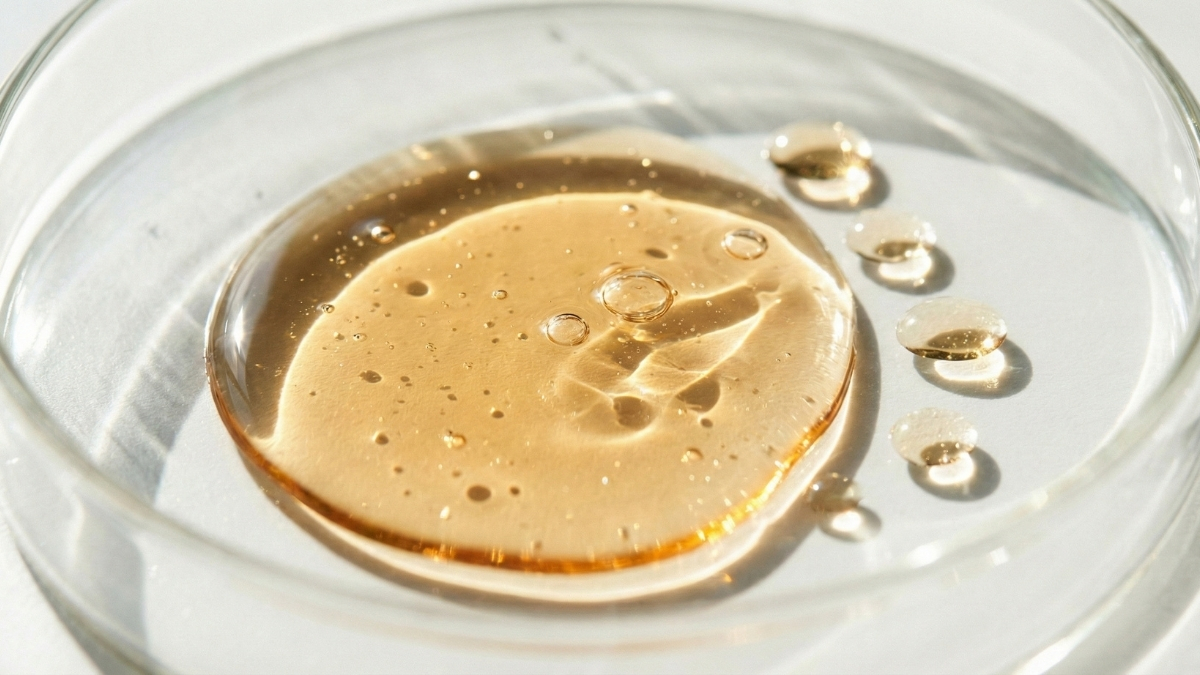
Step 3: The “Breathable” Serum
Look for serums containing Beta-Glucan or Polyglutamic Acid.
- The Switch: Most people use Hyaluronic Acid. However, Beta-Glucan is often more hydrating and forms an invisible, breathable film that smooths the skin texture.
- Warning on Snail Mucin: While popular, our research shows that if you have a dust mite allergy, Snail Mucin might cause redness. If that’s you, stick to Beta-Glucan!
Step 4: The SPF is the Seal
On oily skin, your sunscreen IS your moisturizer. You don’t need a separate cream. Look for “Water-Fit” or “Essence” textures.
- Why? These formulas provide hydration and seal in the previous steps without adding a heavy grease layer.
🌙 Night Tip: Try “Gel-Slugging”
Since we banned Vaseline for acne-prone skin, what do we use to seal moisture at night?
The Solution: Gel-Slugging. Use a generous layer of a Sleeping Mask with a jelly texture (look for Cica or Ceramide gels). It locks in moisture like a shield but allows your pores to “breathe” so you don’t wake up with clogged pores.

Final Thoughts
Achieving Glass Skin on oily skin isn’t about adding more shine; it’s about discipline. It’s about keeping your natural oils clean and balanced.
We hope this research saves you money on products that don’t work. Have you tried “Gel-Slugging” before? Let us know in the comments!
Methodology Note: This guide is based on a deep-dive analysis of clinical studies on sebum oxidation, refractive indices of skincare ingredients, and verified user sentiment from dermatological forums.