

The Hidden Air Fryer Grease Trap No One Tells You About
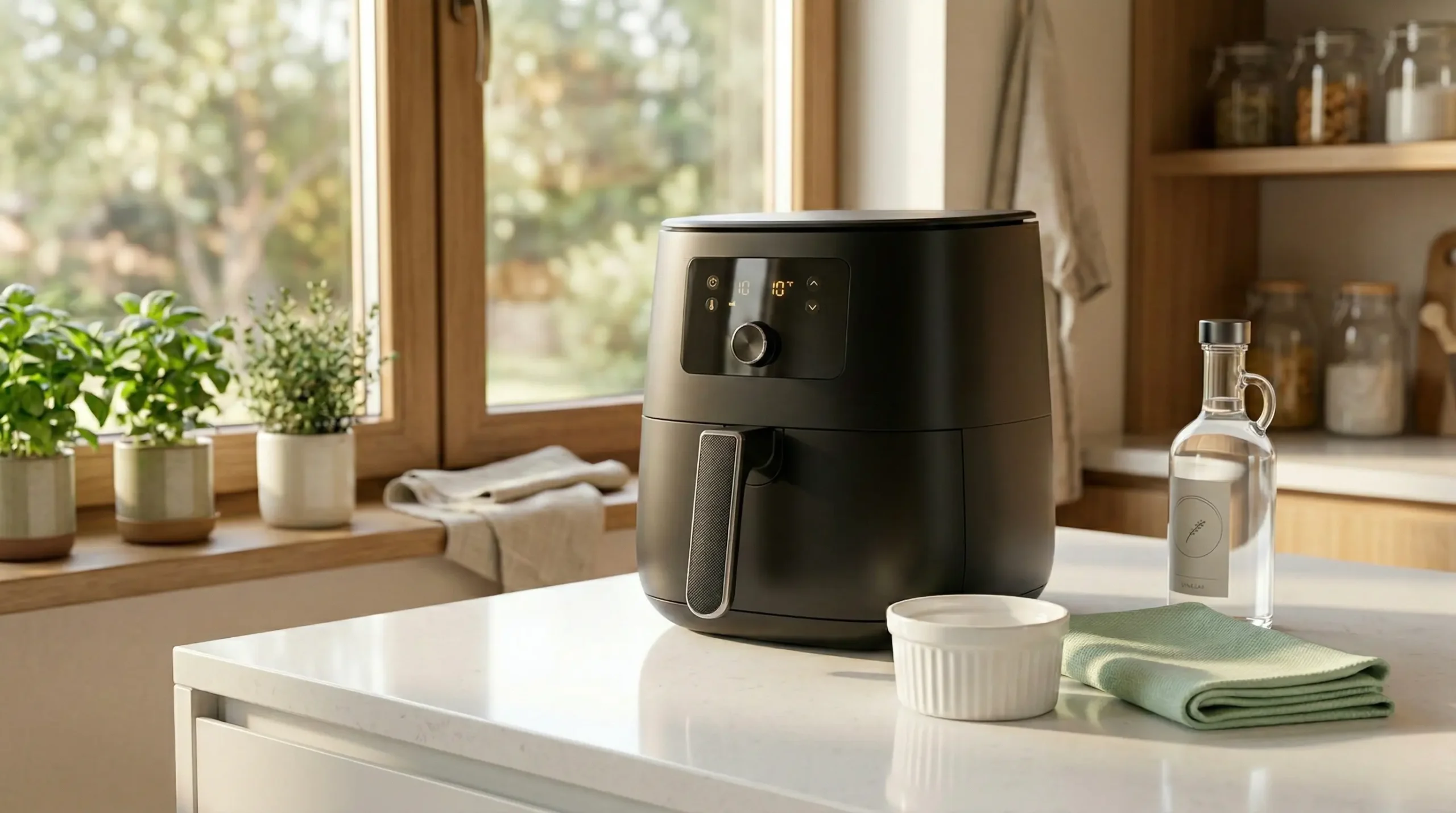
If your air fryer is starting to produce a mysterious burning smell, or your favorite weeknight meals are suddenly tasting a little off, you might be facing a kitchen secret nobody warned you about. In widely shared appliance maintenance discussions, users are having a massive lightbulb moment about a frustrating design flaw. It turns out, our beloved countertop machines harbor a “hidden grease trap”—and simply washing the basket in the sink isn’t doing a thing to stop it.
As a community, we’re realizing that keeping our appliances safe and efficient requires a bit more than a quick rinse. Let’s dive into the collective insights and engineering realities of how to tackle this sticky situation safely.
What Exactly is the Hidden Grease Trap?
According to technical research into convection systems, an air fryer is essentially a high-speed, compact wind tunnel. While the bottom drawer catches the heavy drips, the high-speed fan constantly swirls aerosolized, microscopic oil droplets upwards.
These droplets crash directly into the most inaccessible parts of the machine: the heating coil and the convection fan located in the upper casing. Because this area operates at intense heat (often between 300°F and 400°F), the oils don’t just sit there. Appliance experts note that the fats undergo a chemical process called polymerization.
Basically, the heat forces the oils to cross-link and transform into a rock-hard, plastic-like crust. Over time, this baked-on layer acts as an insulator, causing the machine to overheat, dramatically lowering its efficiency, and eventually posing a very real fire hazard.
The Viral Cleaning Hack You Must Avoid
If you’ve browsed social media lately, you’ve likely seen a viral “cleaning hack” where users fill their air fryer basket with water and dish soap, then turn the machine on high to boil the grease away.
Across the board, appliance technicians and community safety advocates agree: please do not do this! Air fryers are not designed to boil liquids. When that soapy water bubbles up, the intense updraft sucks the heavy moisture and foam directly into the unprotected motor and electrical motherboard.
This dangerous trend has led to official warnings from fire safety experts, as it can cause immediate short circuits, fry the internal sensors, and introduce severe safety risks into your kitchen.
Community Consensus: Why Dish Soap Doesn’t Cut It
In deep-dive discussions on appliance forums, consumers have shared a collective realization that standard heavy-duty dish soaps completely fail against carbonized, polymerized grime.
Out of frustration, some users turn to caustic chemical oven cleaners. However, chemical analysts warn this is highly destructive. These aggressive industrial formulas eat away at the delicate non-stick coatings and anodized aluminum inside the appliance. Worse, any leftover chemical residue trapped behind the heating coil will vaporize into toxic fumes the very next time you cook.
Even physical scraping—using credit cards or wooden sticks—usually just scratches the coating without actually removing the stubborn grime.
The Safe, Expert-Backed Method to Deep Clean
So, how do we get rid of the buildup safely? The most effective approach, backed by the physics of thermal transfer, is a gentle acidic steam method.
Here is how the community successfully handles it:
- Place a small, heat-safe dish (like a ramekin) filled with a mix of water and distilled white vinegar into the empty basket.
- Run the appliance at a moderate temperature (around 320°F to 350°F) for just six to ten minutes.
- The steam acts as a perfect delivery system, carrying heat directly to the inaccessible fan blades. As it condenses, the mild acid from the vinegar gently breaks the chemical bonds of the baked-on grease.
- Once the cycle ends, keep the drawer closed for another 5 to 10 minutes to let the steam fully penetrate.
- Finally, unplug the machine, carefully turn it upside down, and gently wipe the now-softened grime away with a damp microfiber cloth.
The 30-Second Preventative Habit
The ultimate secret to a spotless machine is proactive care. Once you finish cooking, unplug the device. While the machine is still slightly warm (about 15 to 20 minutes later), safely turn it upside down and wipe the heating coil with a lightly damp cloth. Grabbing the grease while it’s still in its liquid state prevents it from ever turning into that stubborn foundation layer.
Know Your Brand’s Quirks
Not all machines are built identically. Community troubleshooting highlights a few brand-specific engineering details to keep in mind:
- Instant Pot Vortex: These models often feature OdorErase carbon filters at the top. A recurring community mistake is forgetting to replace them! Change these filters every few months, and remember to reset the motherboard by pressing the ‘Bake’ and ‘Reheat’ buttons simultaneously.
- Ninja DualZone: Dual baskets mean tighter, harder-to-reach spaces up top. Users often rely on flexible, soft cleaning tools to gently maneuver around the complex heating elements.
- Cosori: Their manuals strictly advise keeping moisture away from the heating elements to avoid electrical issues. A dry, soft-bristled brush is the community-preferred method for dusting off carbon flakes here.
- Philips: Known for their patented “Starfish” bottom design, these produce a massive upward draft, meaning more splatter hits the top coil. Thankfully, newer models (like the NA55x series) are finally acknowledging the hidden grease trap issue by introducing built-in, automated steam-cleaning functions!
Taking just a few extra minutes to understand and care for the upper half of your air fryer won’t just make your food taste better—it will keep your kitchen safe and ensure your favorite appliance lasts for years to come.