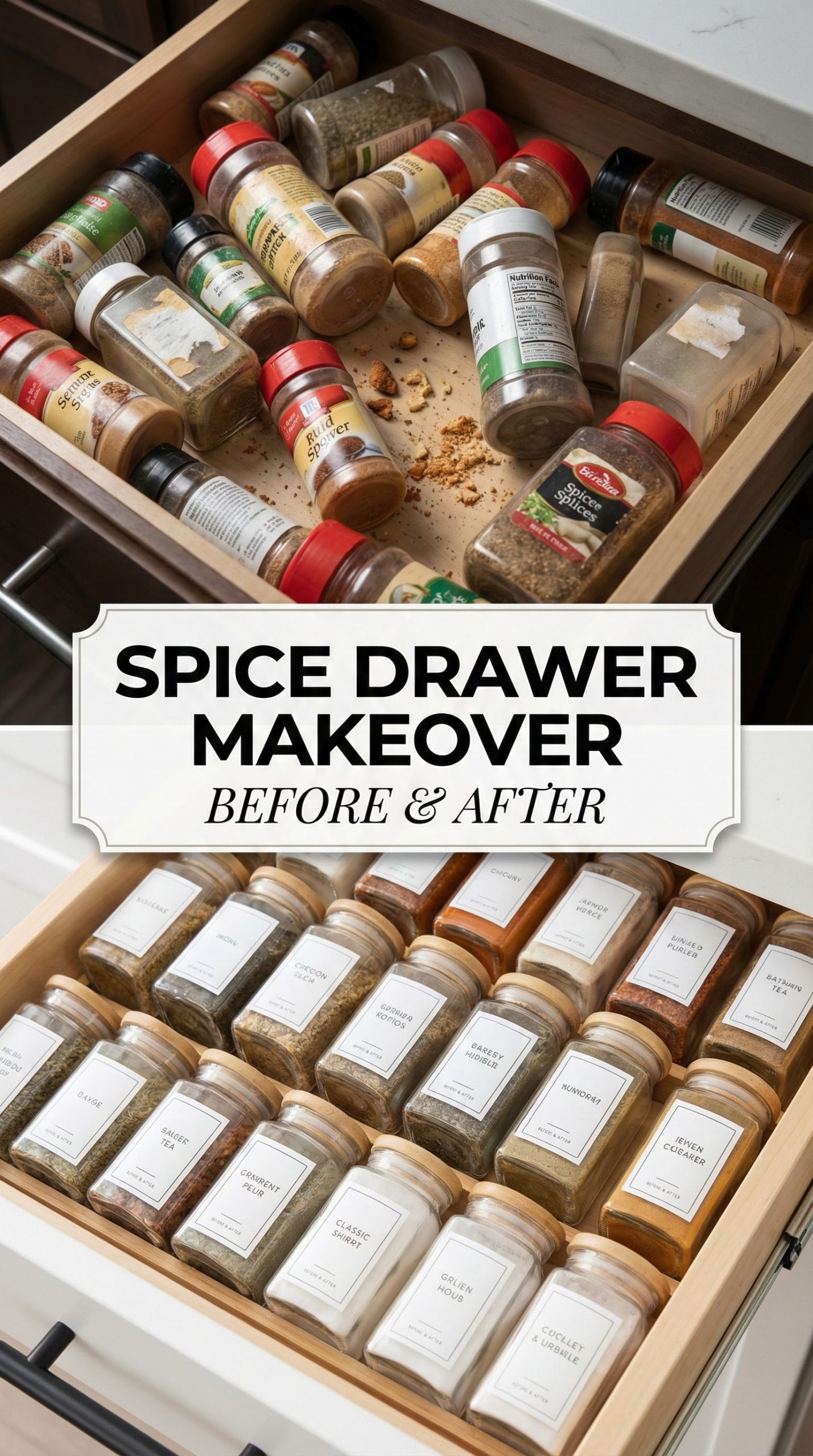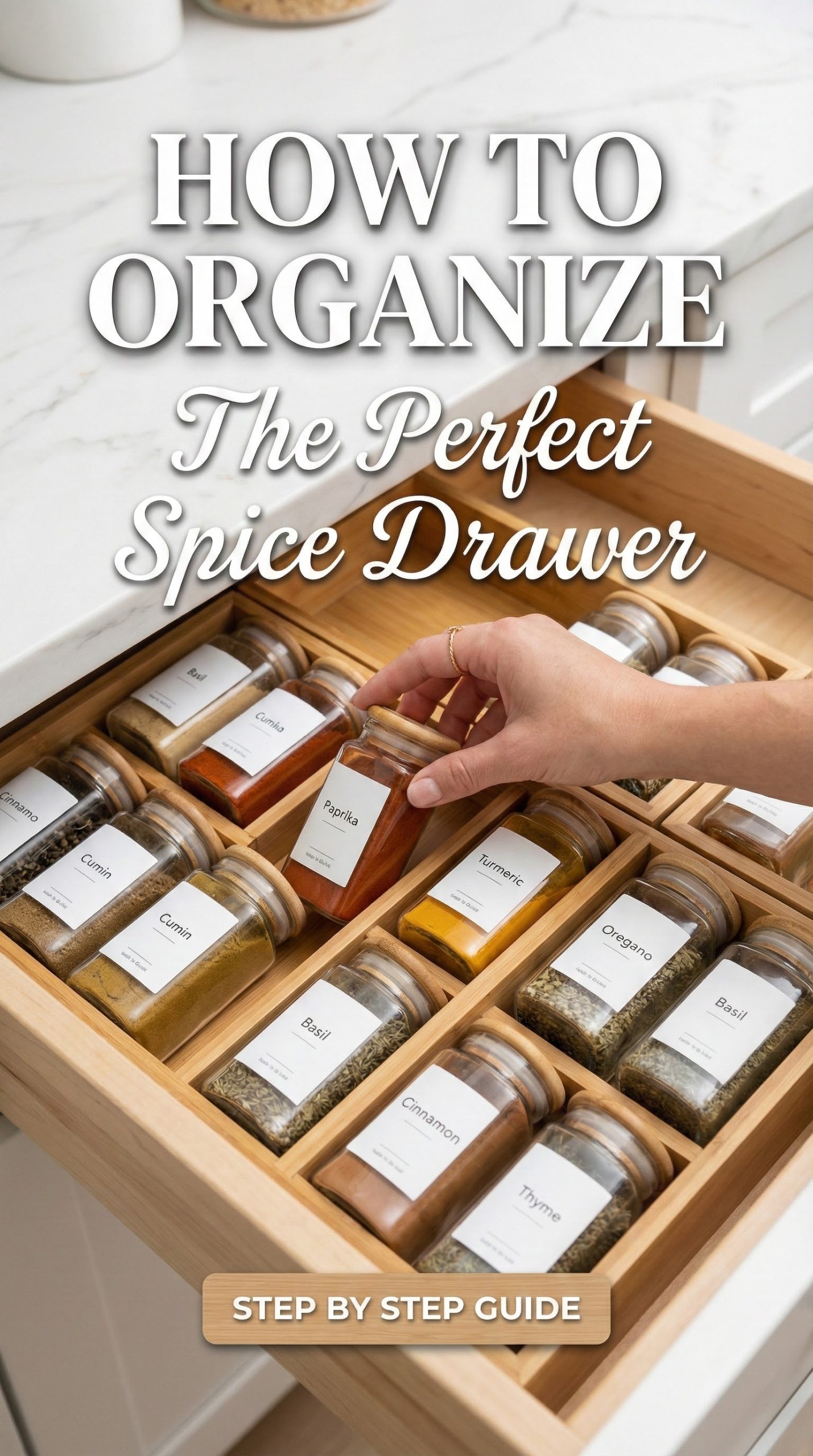

The Ultimate Guide to Designing an Aesthetically Pleasing and Functional Spice Drawer
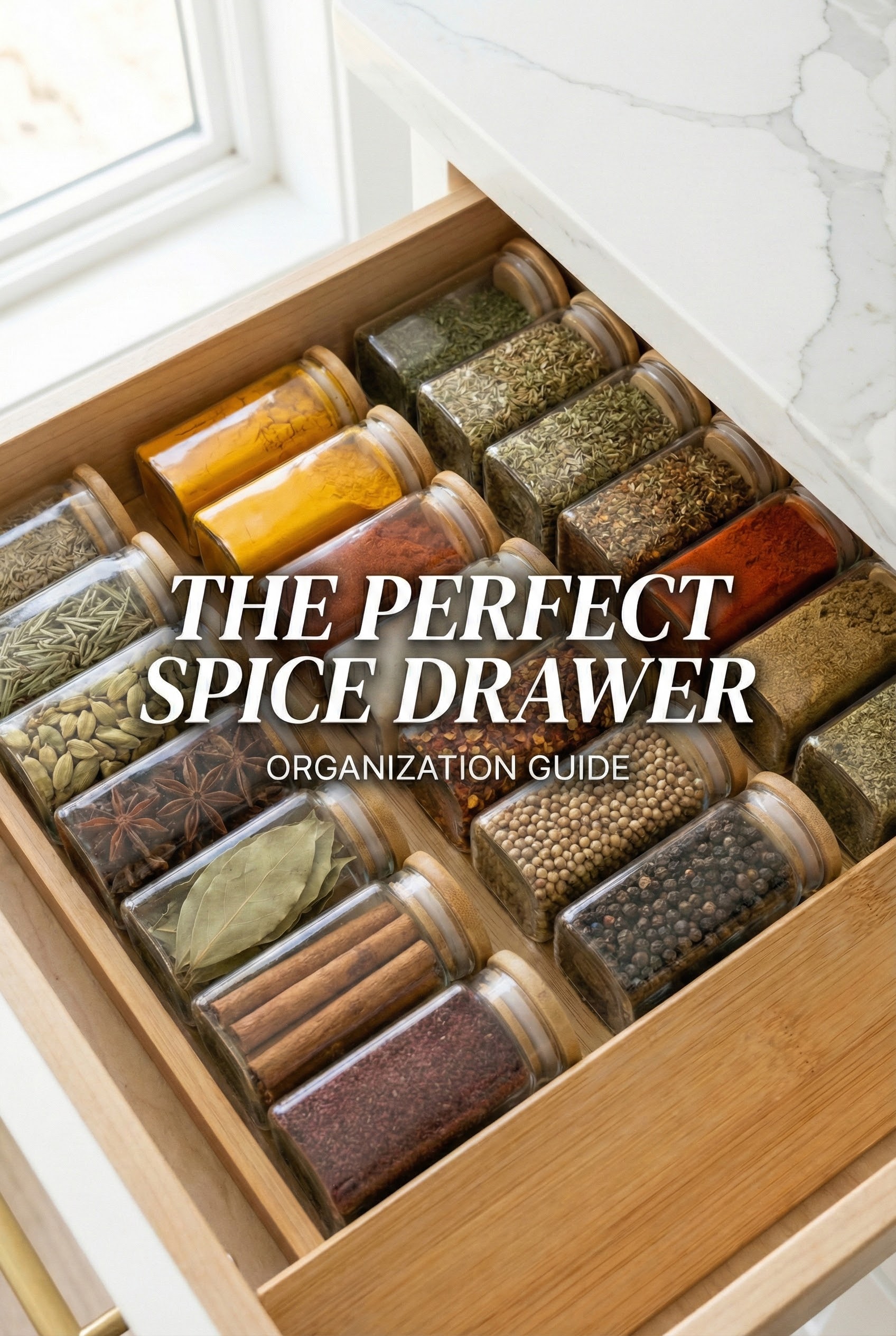
A well-organized kitchen is the heart of a peaceful home. There is a specific kind of tranquility found in opening a drawer and seeing neat rows of matching jars, clear labels, and a system that makes cooking a seamless experience rather than a chaotic search. Transforming a cluttered spice collection into a streamlined masterpiece is not just about aesthetics; it is about efficiency, hygiene, and respecting the ingredients that add flavor to our meals.
Whether you are a seasoned home chef or someone who enjoys simple meals, the way you store your spices dictates the flow of your cooking. This comprehensive guide will walk you through every step of assembling the perfect spice drawer, ensuring that beauty and function coexist in perfect harmony.
Assessing Your Current Collection: The Purge and Cleanse
Before purchasing new jars or printing labels, the first essential step is to evaluate what you currently possess. Over time, spices can lose their potency, and duplicate bottles can accumulate in the back of cupboards. To build a system that lasts, you must start with a clean slate.
Begin by gathering every single spice container from your pantry, cabinets, and countertops. Place them all on a clear surface. This visual inventory often reveals duplicates and neglected items. Check the expiration dates rigorously. While spices rarely spoil in a way that makes them harmful, they lose their essential oils and flavor profile over time. Ground spices typically last about six months to a year, while whole spices can maintain their quality for up to two years.
If a bottle lacks an expiration date, trust your senses. Open the jar and verify the aroma. If the scent is faint or dusty, the flavor will be equally weak. It is time to let it go and replace it with fresh stock.
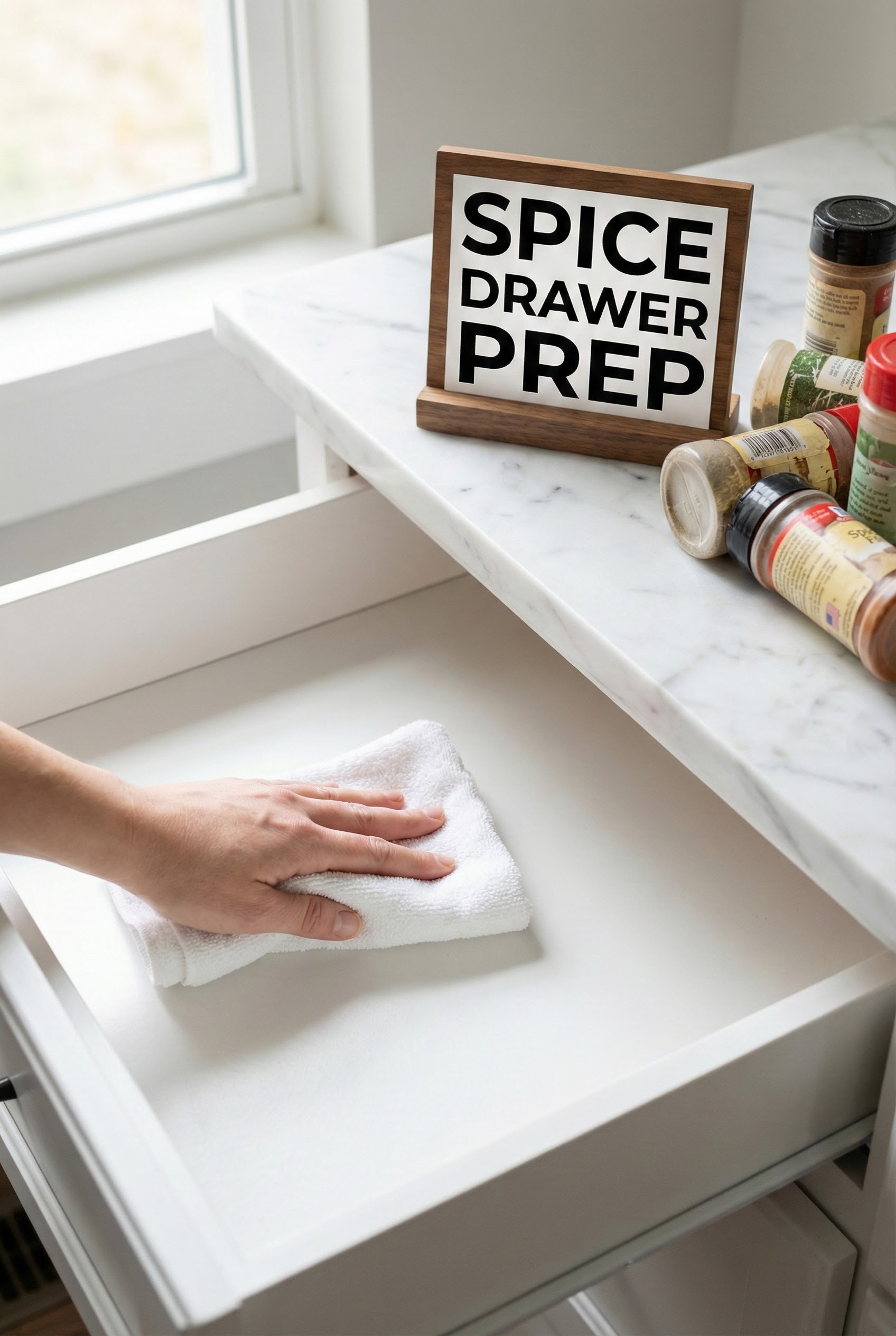
Once you have discarded the old and empty containers, wipe down the remaining bottles if you plan to keep the spices inside. Next, turn your attention to the drawer itself. Vacuum out any crumbs and wipe the interior with a damp cloth and mild soap. Allow it to dry completely. A pristine foundation is crucial for maintaining a hygienic environment for your food ingredients.
Selecting the Right Vessels: Uniformity and Material
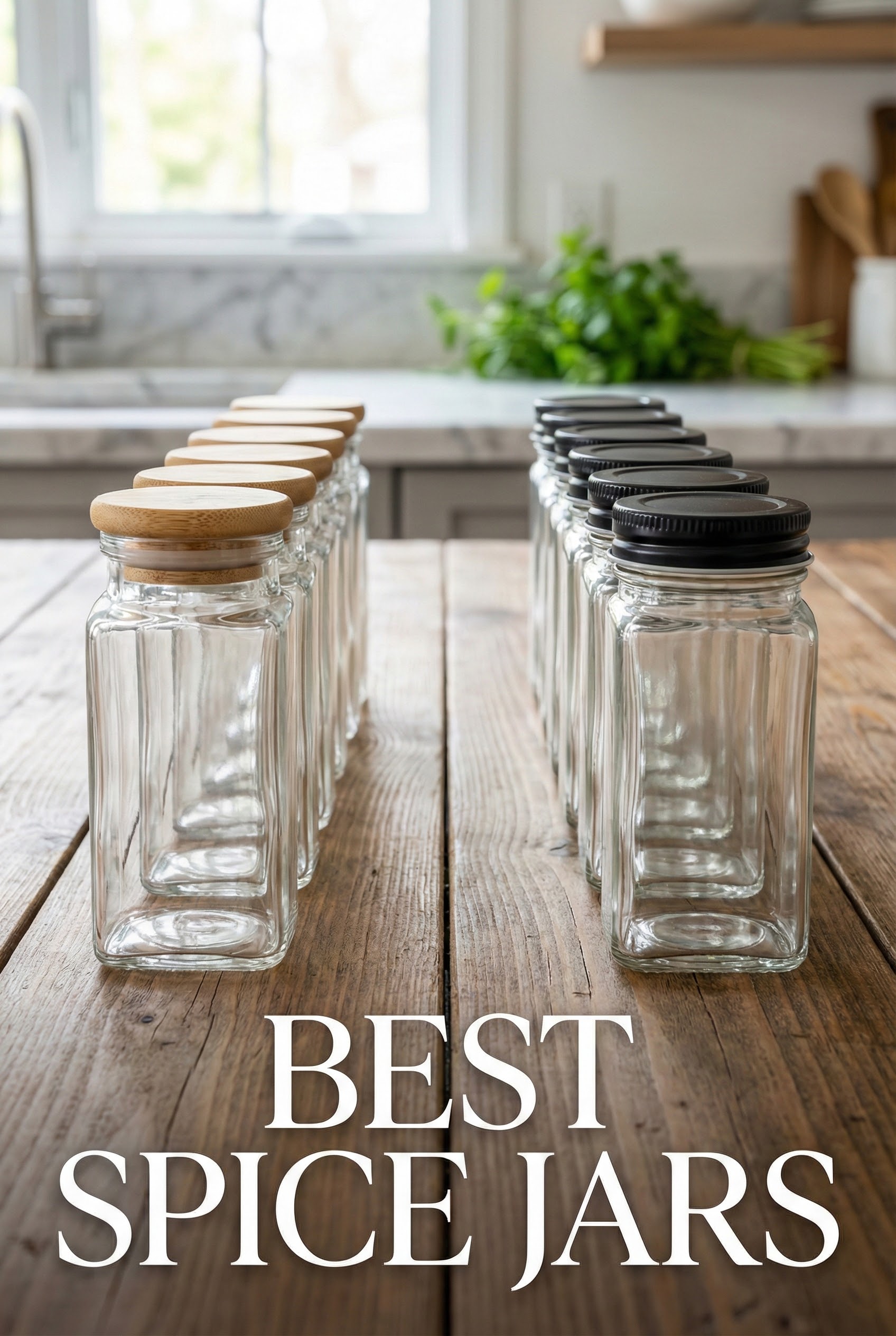
The visual secret to a “Pinterest-worthy” spice drawer lies in uniformity. Mismatched packaging provides visual noise, whereas identical jars provide a sense of calm and order. When choosing your containers, consider both the dimensions of your drawer and the volume of spices you typically use.
Glass vs. Plastic
Glass is the superior choice for spice storage. Unlike plastic, glass is non-porous, meaning it will not absorb the odors or stains of potent spices like curry powder or turmeric. It is also easier to clean and sanitize. Plastic containers can degrade over time and may contain chemicals that are better kept away from food sources.
Square vs. Round Jars
For a drawer system, square jars are often more practical than round ones. Square jars fit flush against one another, maximizing the usable space in the drawer. They also tend to stay in place better when the drawer is opened and closed, whereas round jars may roll if not properly secured.
Lid Selection
The lid dictates the style. Bamboo lids offer a warm, natural, and organic feel that pairs well with modern farmhouse or Scandinavian aesthetics. Metal lids (black, gold, or silver) provide a sleeker, more industrial or classic look. Whichever you choose, ensure the seal is airtight to preserve the freshness of the contents.
Before purchasing a set of 24 or 36 jars, measure the depth of your drawer. Ensure the jars can stand upright or lay flat without catching on the upper cabinet frame when the drawer glides shut.
The Art of Labeling: Clarity Meets Design
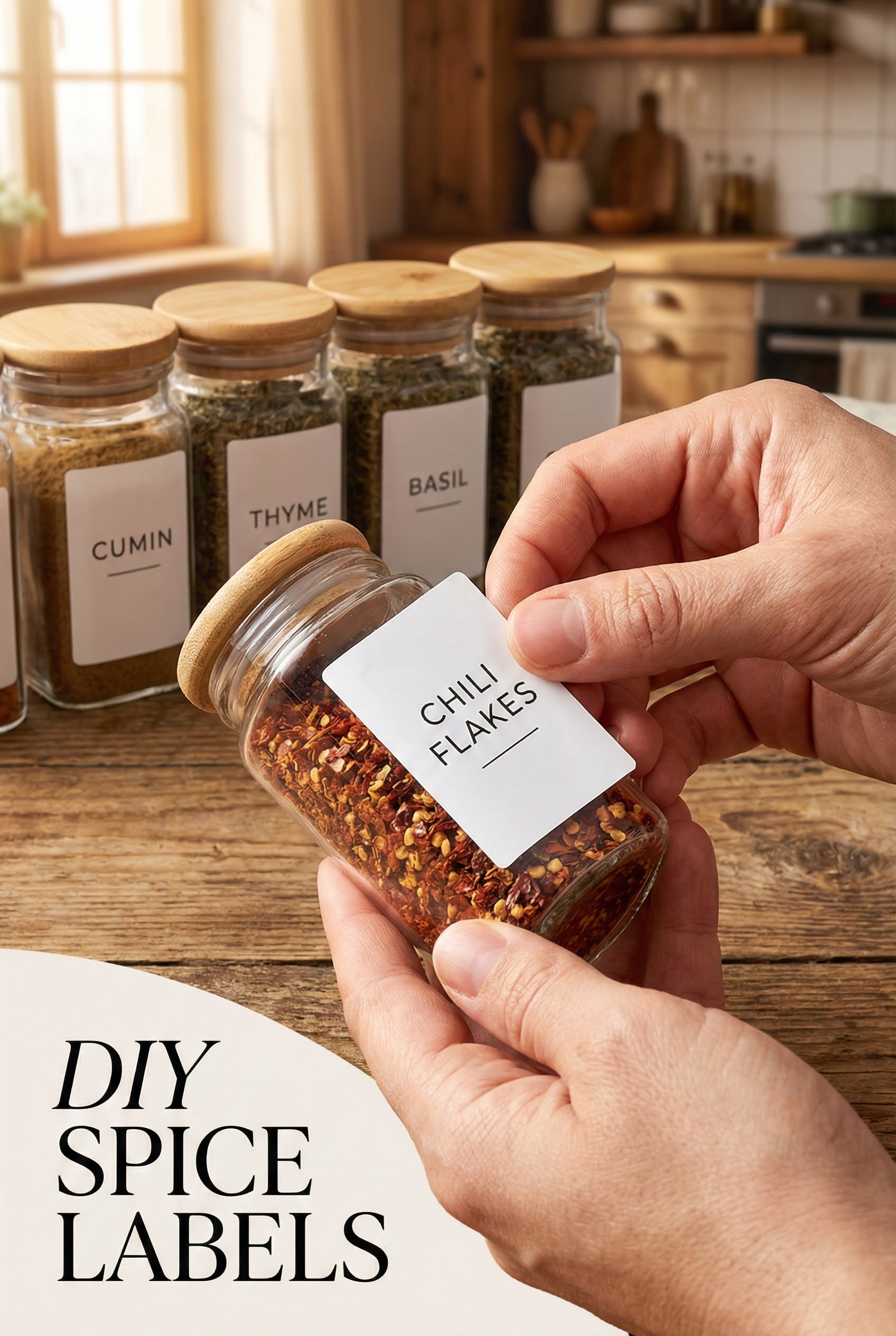
Labeling is where functionality meets design. A clear label ensures you do not mistake cumin for coriander during a busy cooking session. There are several approaches to labeling, depending on your personal taste.
Minimalist Modern
Use clear stickers with simple, black, sans-serif typography. These allow the color and texture of the spice to shine through. This style is timeless and easy to read.
Vintage or Script
For a softer look, white labels with script fonts can add a touch of elegance. However, ensure the font is legible. Spices often have long names (e.g., “Smoked Paprika”), and readability is key when you are moving quickly in the kitchen.
Placement Strategy
For a drawer system, placement is critical.
- Top of the Lid: If your jars will be standing upright in a deep drawer, the label must be on the lid.
- Side/Body: If your jars will be laying flat on a tiered insert, place the label on the body of the jar, positioned slightly towards the top so it is visible even if the jar below it overlaps slightly.
To ensure all labels are perfectly aligned, use a piece of masking tape as a straight-edge guide across the row of jars before sticking the labels down. Uniformity in label height makes a massive visual difference.
Categorization: Establishing a Logic
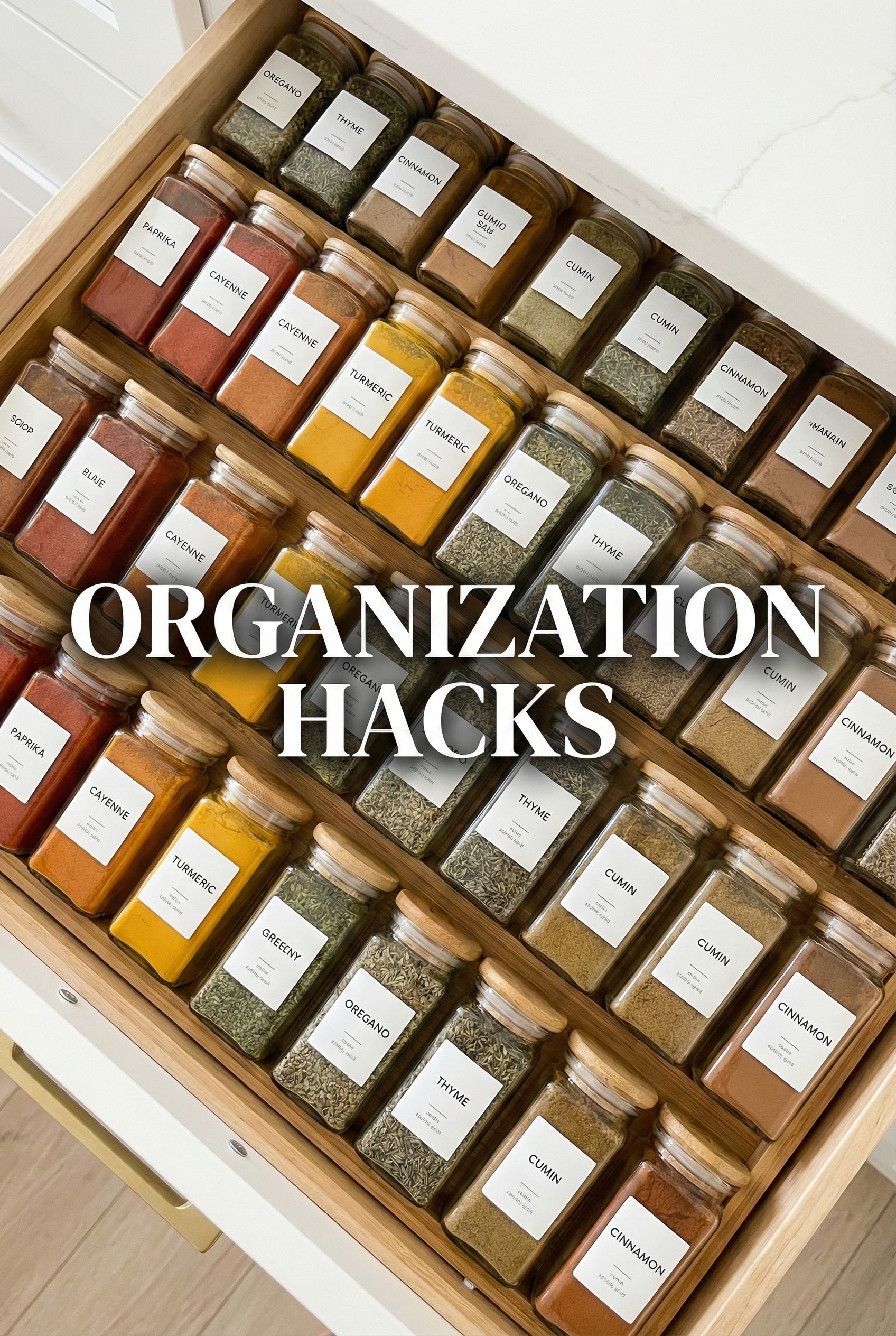
How you arrange the jars inside the drawer depends on how your mind works when you cook. There is no single “correct” way, but there are two popular methods that yield great results.
Alphabetical Order
This is the most common system. From Allspice to Za’atar, everything has a predictable spot. If you share your kitchen with family members, this system is the easiest for everyone to understand. No one has to ask, “Where is the ginger?” because they know exactly where “G” is located.
Usage and Zone Grouping
Group spices by how you use them.
- The Essentials: Salt, pepper, garlic powder, and onion powder go in the front row for easy access.
- Baking Spices: Cinnamon, nutmeg, cloves, and ginger are grouped together.
- Savory Herbs: Oregano, thyme, basil, and rosemary form another cluster.
- Heat: Cayenne, paprika, and chili flakes sit together.
This method works well for intuitive cooks who grab multiple related spices at once for a specific dish.
Utilizing Risers and Inserts
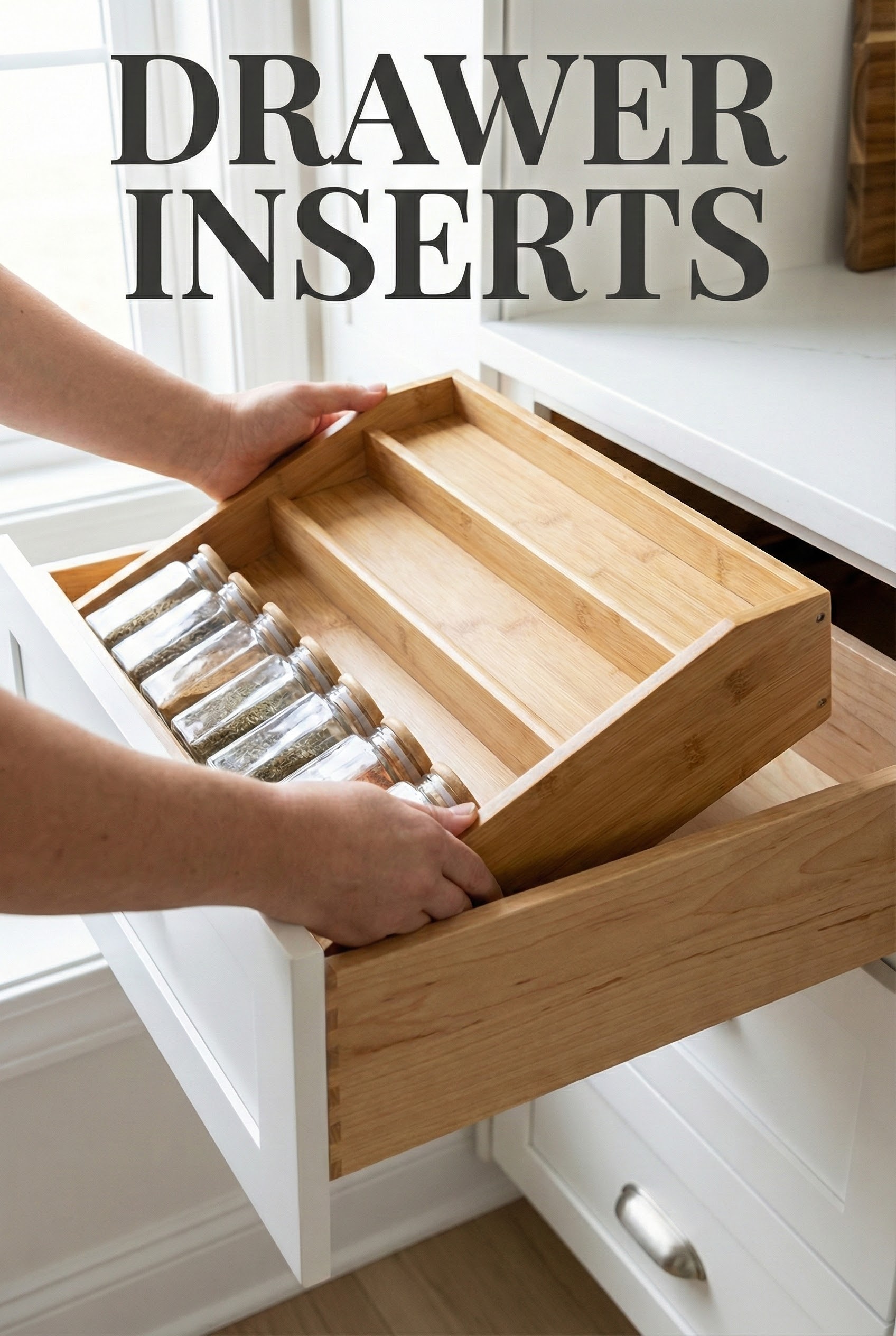
Simply placing jars flat in a drawer can lead to them sliding around every time you open it. To prevent this chaotic movement and to present the labels beautifully, investing in a drawer insert is highly recommended.
Tiered Spice Risers: These are angled inserts (often made of acrylic, bamboo, or plastic) that allow the jars to lay at a slant. This makes it easier to grab a jar and keeps them in specific rows. Bamboo inserts look particularly custom and high-end when paired with wood cabinetry.
Non-Slip Liners: If you prefer the jars to stand upright (vertical storage), ensure you line the bottom of the drawer with a high-quality non-slip grip liner. This prevents the glass from clinking together and breaking during movement.
Refilling and Maintenance
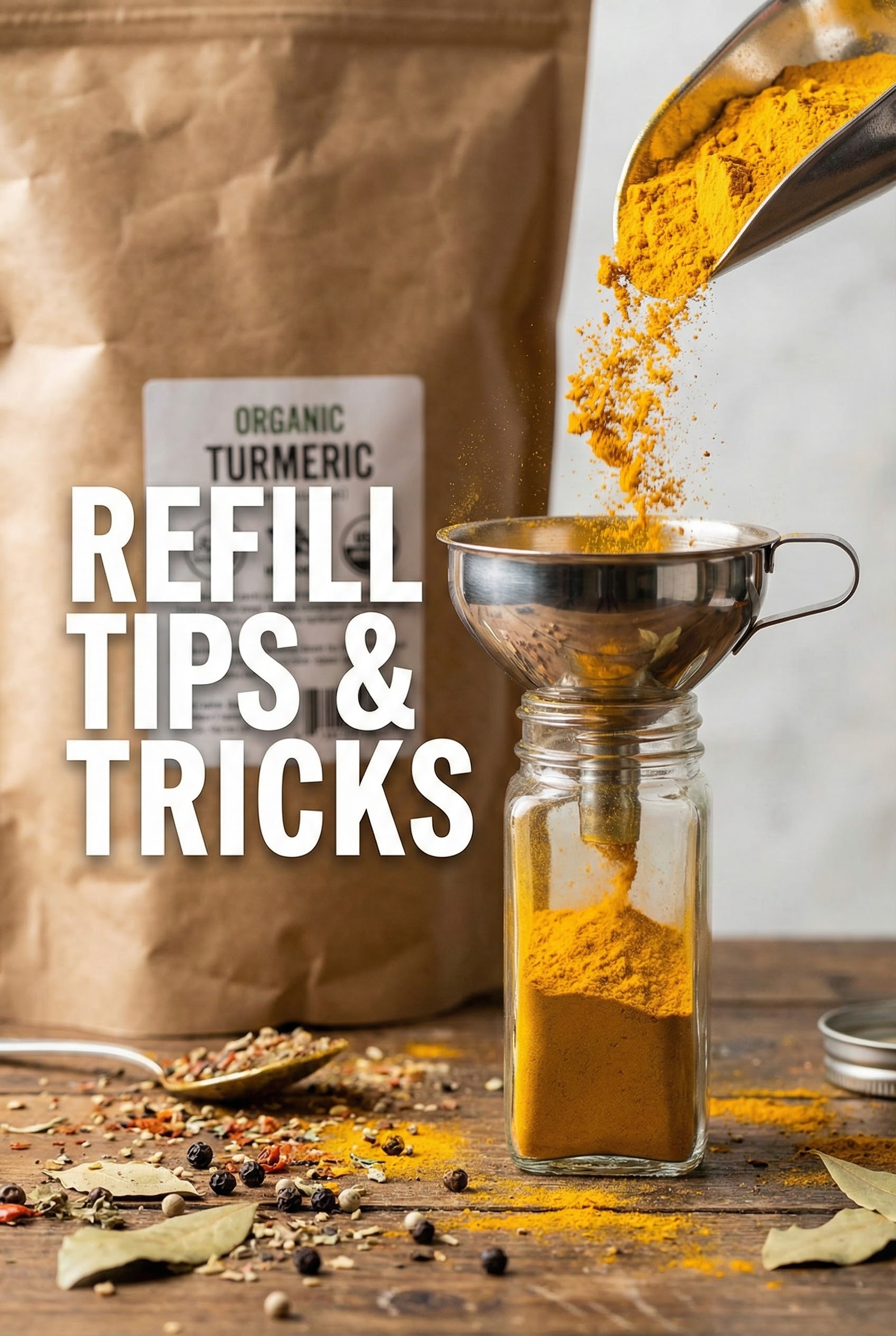
Once your system is established, maintaining it requires a small amount of discipline. When a jar runs low, avoid the temptation to top it off with a new batch immediately if there is still old spice at the bottom. Use the old spice first, wash the jar, dry it thoroughly, and then refill. This ensures you are not mixing fresh ingredients with stale ones.
Consider buying spices in bulk or in biodegradable packets rather than buying new glass bottles from the store every time. This is more economical and reduces waste. Keep a small funnel handy; it is the most valuable tool for refilling jars without providing a mess on your counter.
Since you are discarding the original packaging, you might lose the expiration date. A simple solution is to write the date on a small piece of masking tape and stick it to the bottom of the glass jar. It remains unseen but is there when you need to check it.
Frequently Asked Questions
1. How do I clean the spice jars before using them? Always wash new jars with warm soapy water and let them air dry completely. Ensure there is absolutely no moisture left inside before adding spices, as moisture causes clumping and spoilage.
2. Can I store spices in a drawer next to the oven? It is generally better to avoid storing spices directly next to a heat source like an oven or dishwasher. Heat and humidity can shorten the shelf life of spices. However, if your drawer is well-insulated and not directly touching the heat source, it should be fine. Ideally, choose a cool, dry drawer.
3. Where is the best place to buy matching jars? Many home organization stores and online marketplaces offer sets. Look for “glass spice jars with bamboo lids” or “square spice jars.” Buying a set usually comes with pre-printed labels, which saves time.
4. What do I do with spices that don’t fit in the new jars? If you buy in bulk and have leftovers that don’t fit in the drawer jars, store the excess in a sealed container in a separate “overflow” bin in a higher pantry cabinet or a cool, dark place. Use this overflow stock to refill your drawer jars as needed.
5. How often should I replace my spices? As a general rule, ground spices should be refreshed every year. Whole spices (like cinnamon sticks or whole cloves) can last up to two years. If the color has faded or the smell is neutral, it is time to replace them.
📌 Save This for Later!
Don’t let this info get lost in your feed. Save this guide to your Pinterest Boards to keep these tips handy for next time.