
The Ultimate Refrigerator Storage Guide: How Long Does Food Last?
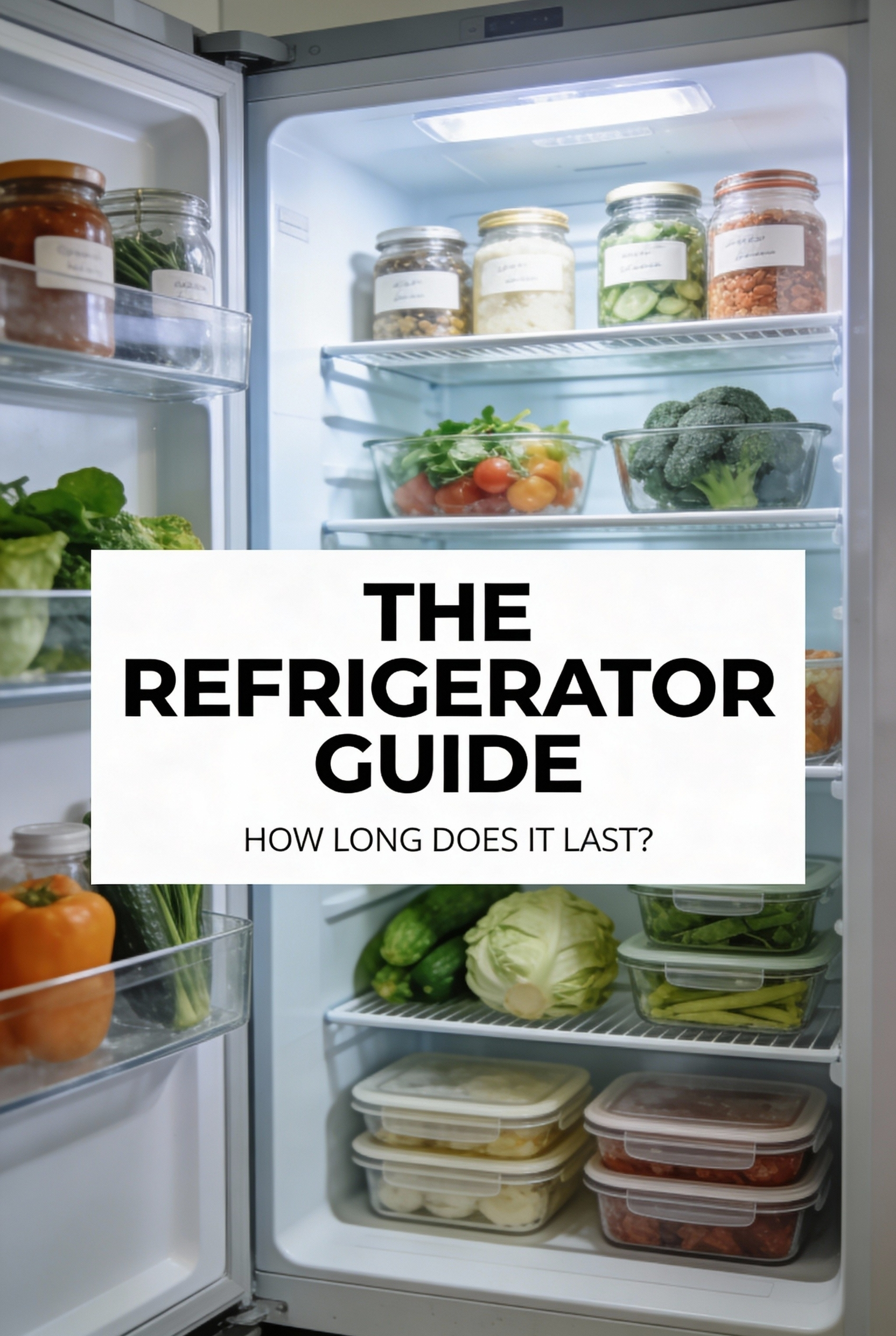
Food waste is not only an economic loss but also an ethical issue. Often, we discard ingredients simply because we are unsure of their freshness or because they were stored incorrectly, accelerating their spoilage. The refrigerator is a tool of preservation, yet without proper organization and knowledge of shelf life, it can become a graveyard for good intentions.
Understanding the lifespan of groceries is the first step toward a more efficient, sustainable, and budget-friendly kitchen. This guide categorizes essential food groups and provides clear, professional timelines for their refrigerated storage. It distinguishes between “safe to eat” and “peak quality,” empowering home cooks to manage their inventory with confidence.
1. Fresh Produce (Vegetables & Fruits)
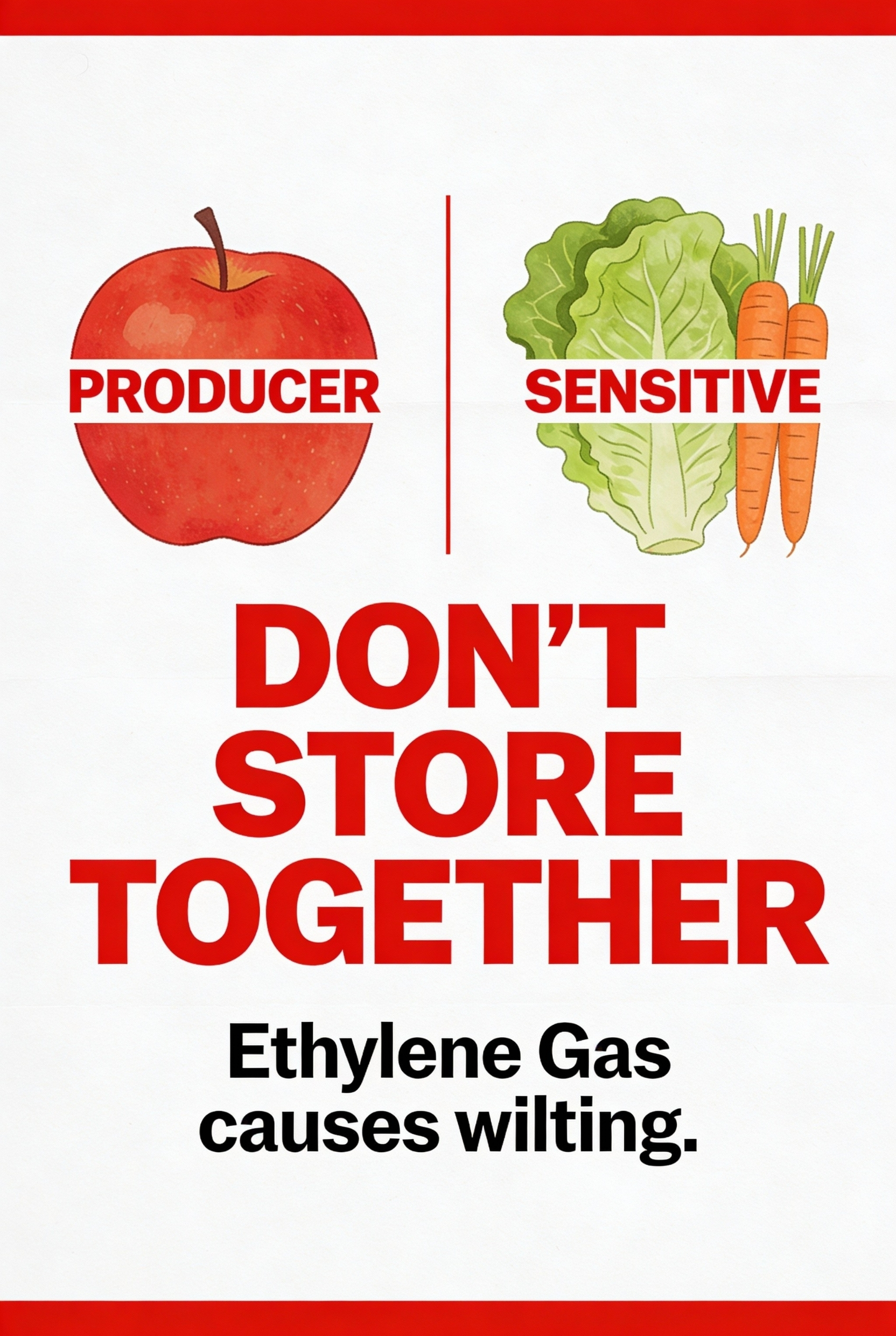
Vegetables and fruits are living organisms even after harvest. They breathe and release moisture. The key to longevity is managing humidity and ethylene gas (a ripening hormone).
Leafy Greens & Cruciferous Veg
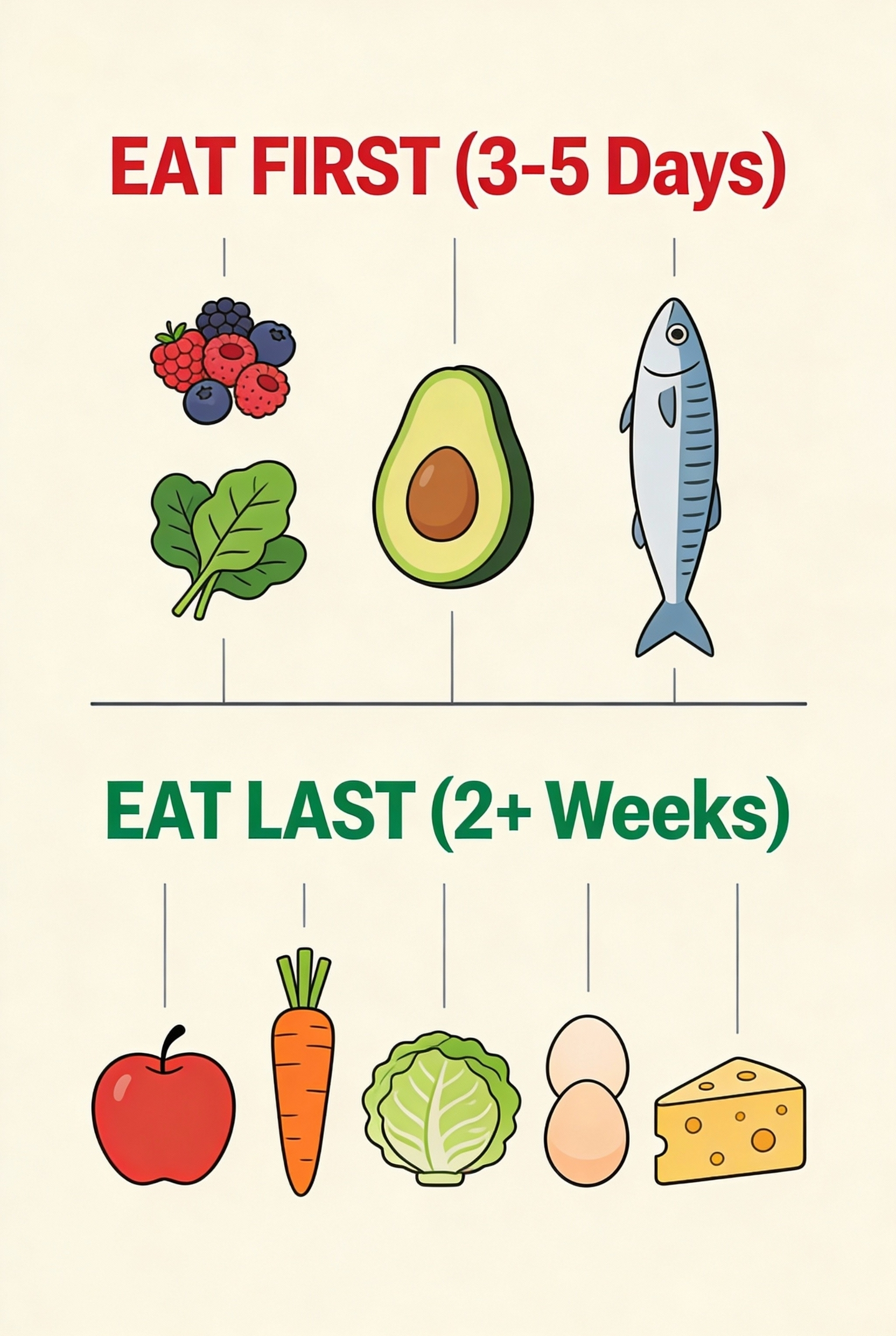
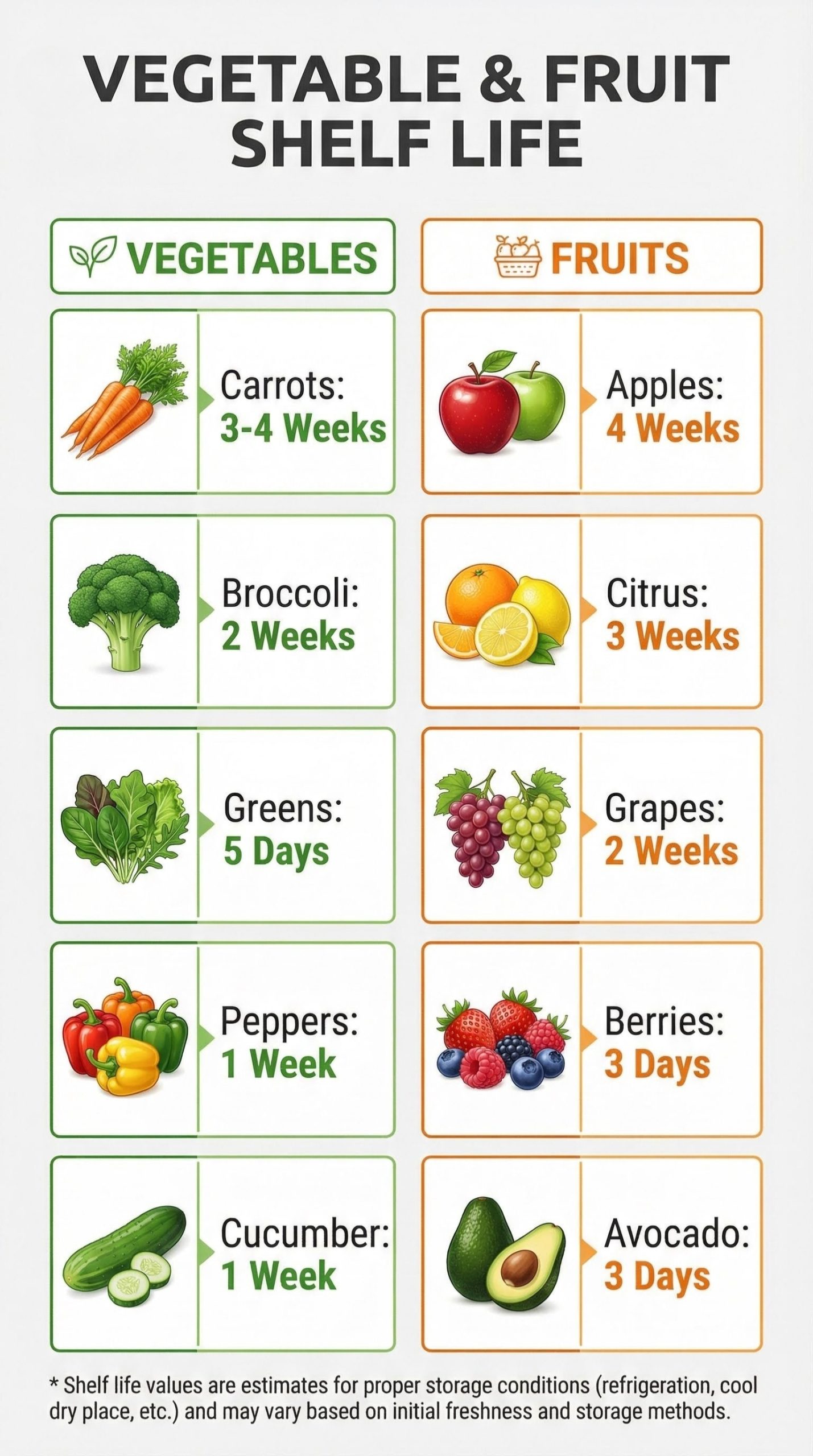
- Spinach / Salad Greens: 5-7 Days. (Store with a paper towel to absorb moisture).
- Broccoli / Cauliflower: 1-2 Weeks.
- Cabbage: 3-4 Weeks (Whole), 2-3 Days (Cut).
- Fresh Herbs (Soft): 5-7 Days. (Treat like flowers in water or wrap in damp paper towel).
- Fresh Herbs (Woody): 2-3 Weeks.
Root Vegetables & Others
- Carrots: 3-4 Weeks.
- Bell Peppers: 1-2 Weeks.
- Cucumber: 1 Week.
- Zucchini: 5-7 Days.
- Mushrooms: 5-7 Days (Keep in paper bag, never plastic).
Fruits
- Apples: 3-4 Weeks (In crisper drawer).
- Citrus (Lemons/Limes): 2-3 Weeks.
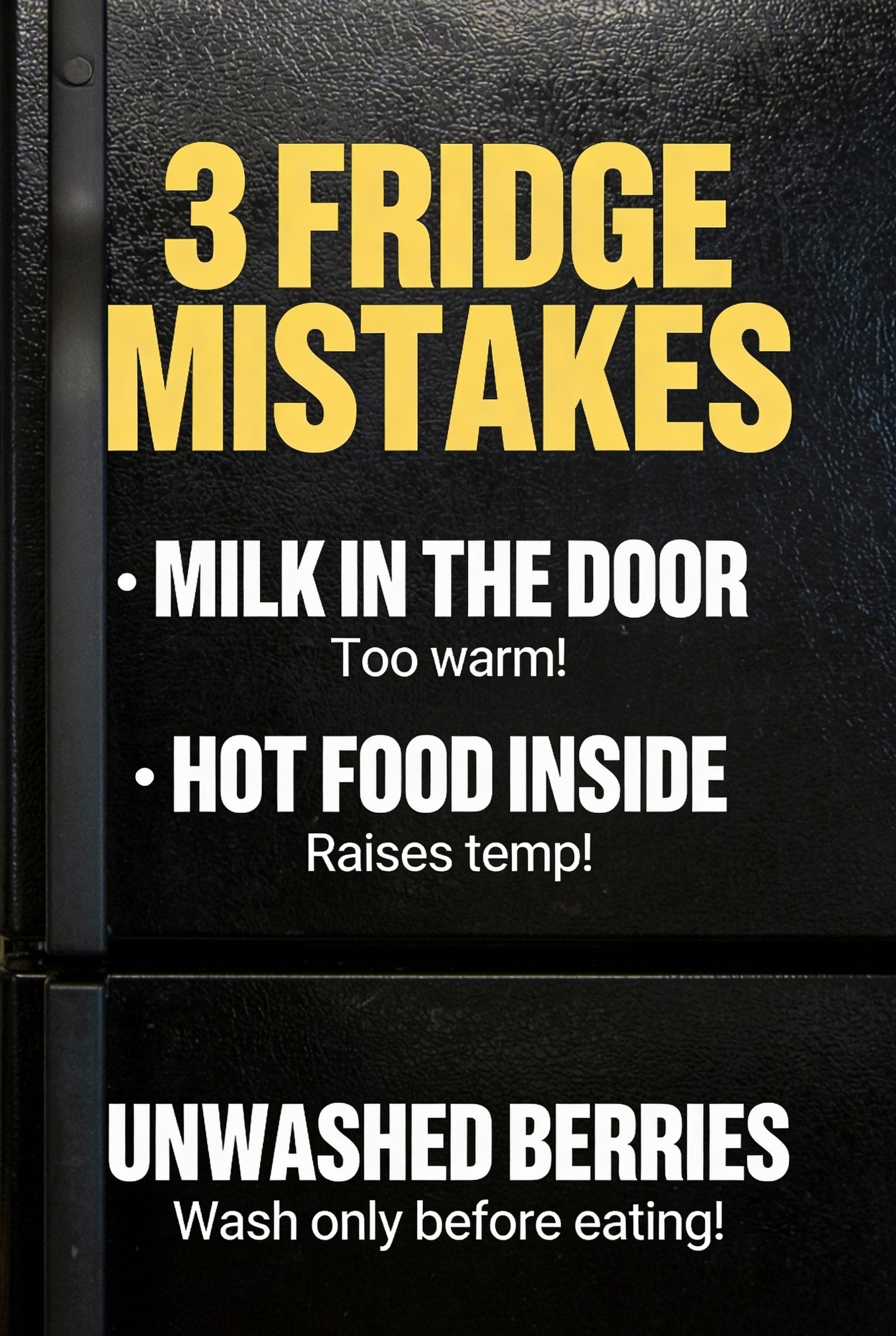
- Berries: 3-5 Days (Do not wash until ready to eat).
- Grapes: 1-2 Weeks.
- Avocado (Ripe): 3-5 Days.
2. Dairy and Eggs
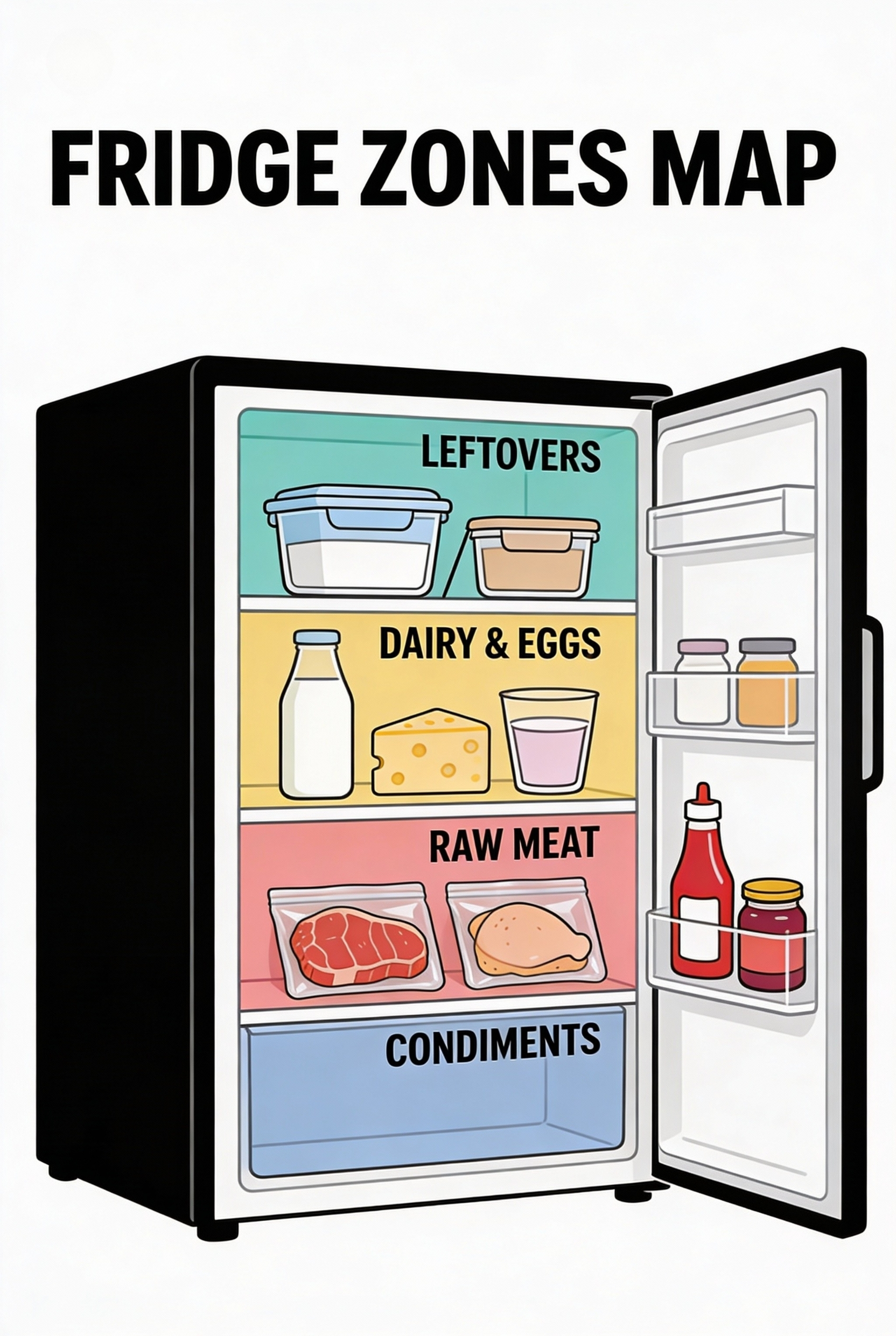
Dairy products are highly sensitive to temperature fluctuations. They should be stored on the middle or lower shelves where the temperature is most stable, never in the door where it is warmest.
- Milk: 5-7 Days (Past printed date, if unopened). 2-3 Days after opening.
- Hard Cheese (Cheddar, Parmesan): 3-4 Weeks (Opened). 6 Months (Unopened).
- Soft Cheese (Brie, Mozzarella): 1 Week (Opened).
- Yogurt: 1-2 Weeks.
- Butter: 1-3 Months.
- Eggs: 3-5 Weeks.

3. Meat, Poultry, and Seafood (Halal)
Animal proteins spoil the fastest and carry the highest risk of foodborne illness if stored improperly. They must be kept on the bottom shelf to prevent juices from dripping onto other foods.
- Raw Chicken / Poultry: 1-2 Days.
- Raw Ground Meat (Beef/Lamb): 1-2 Days.
- Raw Steaks / Chops: 3-5 Days.
- Fresh Fish / Seafood: 1-2 Days.
- Deli Meats (Opened): 3-5 Days.
- Fresh Sausages (Beef/Chicken): 1-2 Days.
4. Leftovers and Prepared Foods
Once food is cooked, the clock resets, but the window is short.
- Cooked Meats / Stews: 3-4 Days.
- Cooked Rice / Pasta: 3-4 Days.
- Soups / Broths: 3-4 Days.
- Pizza: 3-4 Days.
- Salads (Dressed): 1 Day (Soggy factor).
5. Condiments (Opened)
Condiments often live in the fridge door for months. While they are resilient, they do expire.
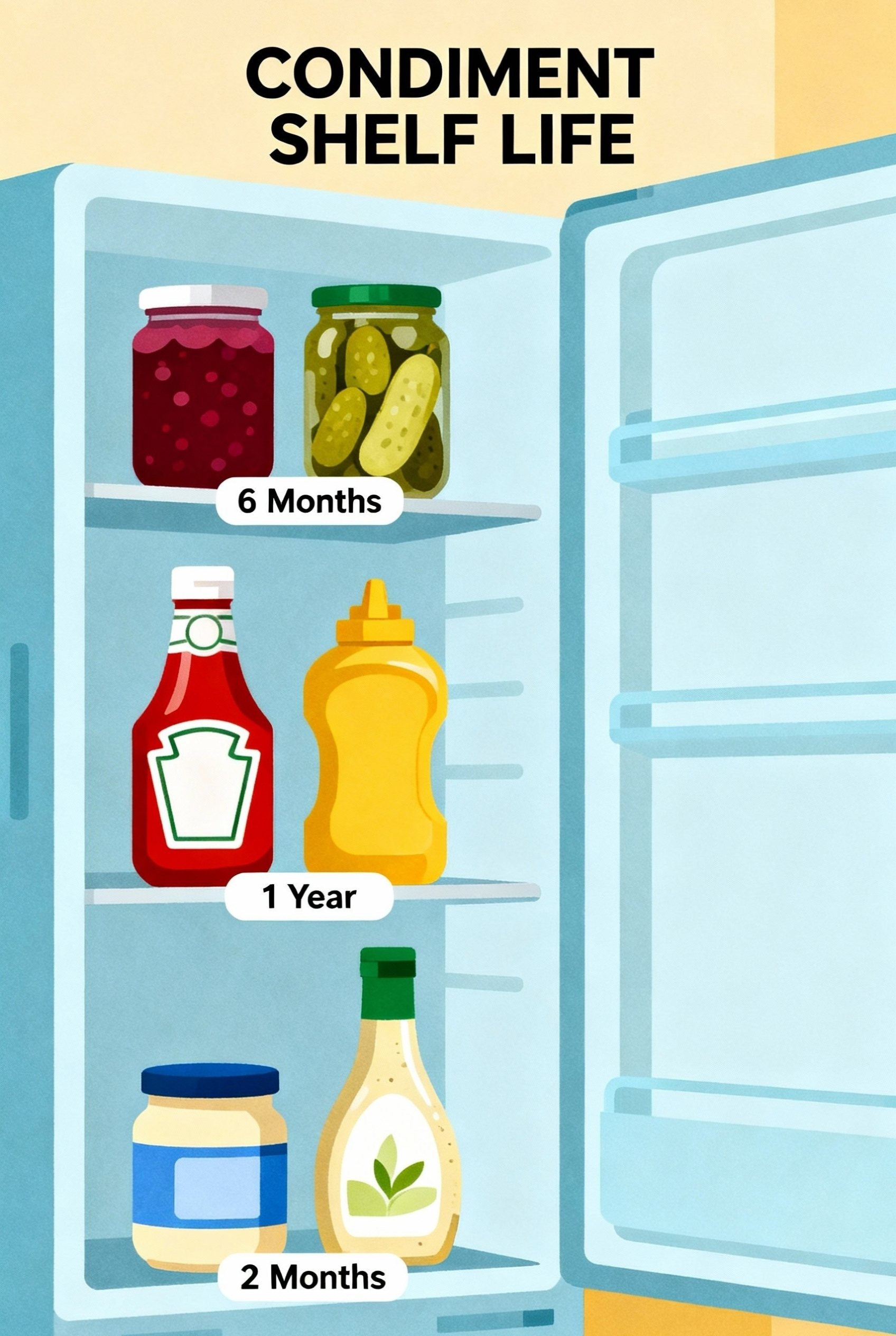
- Ketchup / Mustard: 6-12 Months.
- Mayonnaise: 2 Months.
- Jam / Jelly: 6-12 Months.
- Pickles / Olives: 1-3 Months.
- Salad Dressing: 1-3 Months.
- Salsa: 1 Month.
Frequently Asked Questions (FAQ)
Q: Is the “Best By” date the same as the “Expiration” date? A: No. “Best By” refers to quality and flavor; the food is usually safe to eat after this date but might not taste as fresh. “Use By” or “Expiration” is a safety indicator, especially for meat and dairy. Do not consume foods past their “Use By” date.
Q: Why shouldn’t I store milk in the fridge door? A: The door is the warmest part of the fridge because it is constantly opened and exposed to room temperature air. Milk needs to stay consistently cold (below 40°F / 4°C) to prevent spoilage, so the back of the middle shelf is ideal.
Q: Can I put hot food directly into the fridge? A: Large pots of hot food can raise the internal temperature of the fridge, putting other foods at risk. It is best to let food cool to room temperature (for no more than 2 hours) or divide it into smaller, shallow containers to cool quickly before refrigerating.
📌 Save This for Later!
Don’t let this info get lost in your feed. Save this guide to your Pinterest Boards to keep these tips handy for next time.