
The Ultimate Spice Pairing Guide: What Goes Well Together?

Cooking is fundamentally about the balance of flavors. While high-quality ingredients are essential, it is the application of spices that transforms a simple meal into a memorable culinary experience. For many home cooks, the spice cabinet can be a source of confusion. Knowing which spice complements which vegetable, or which herb enhances a specific cut of meat, is a skill that distinguishes novice cooking from refined culinary practice.
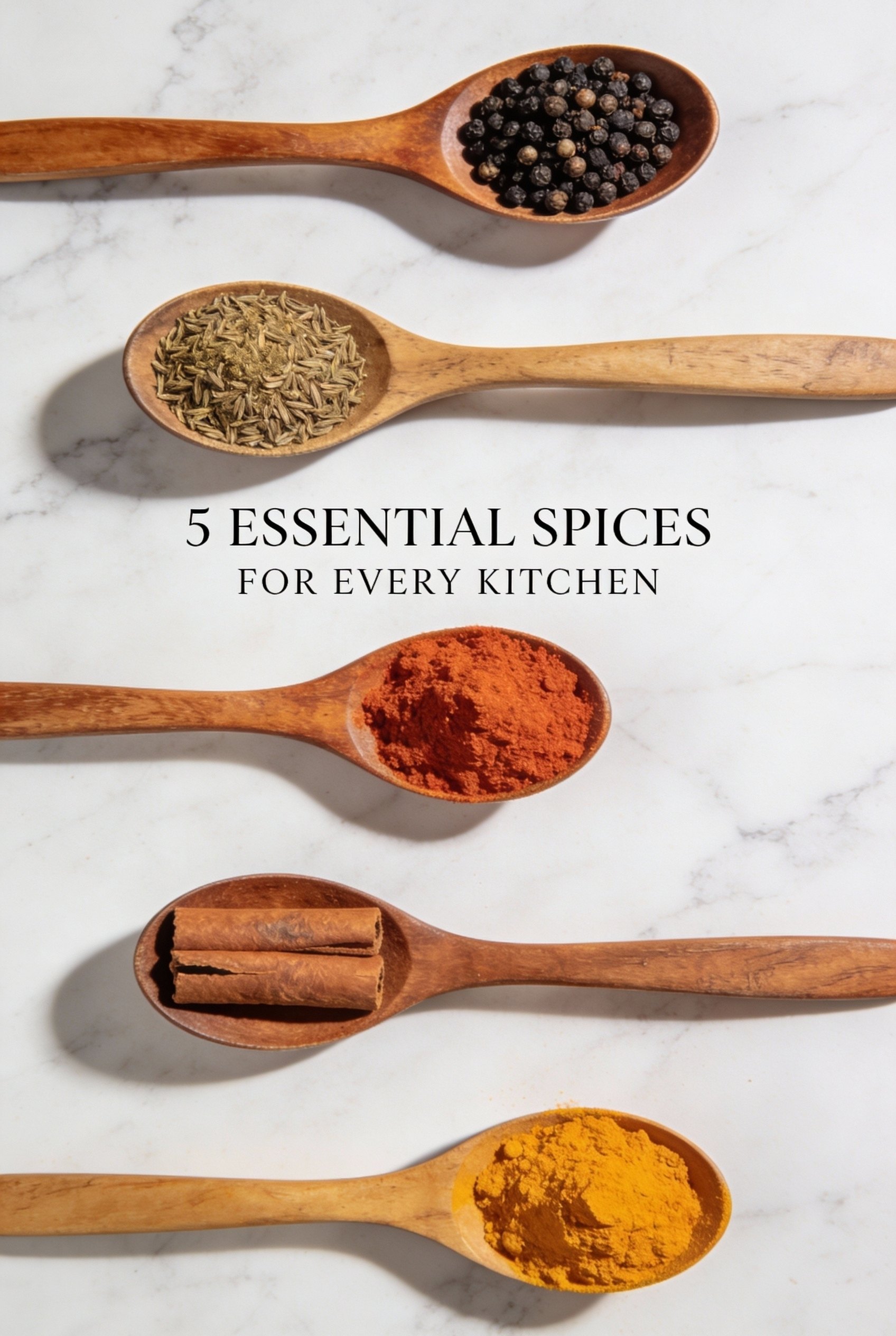
This guide serves as a comprehensive reference for pairing spices with common food groups. It removes the guesswork from seasoning and provides a structured approach to flavor profiling. Whether the goal is to add warmth to a stew or freshness to a salad, understanding these fundamental pairings is the key to consistency in the kitchen.
Understanding Flavor Profiles
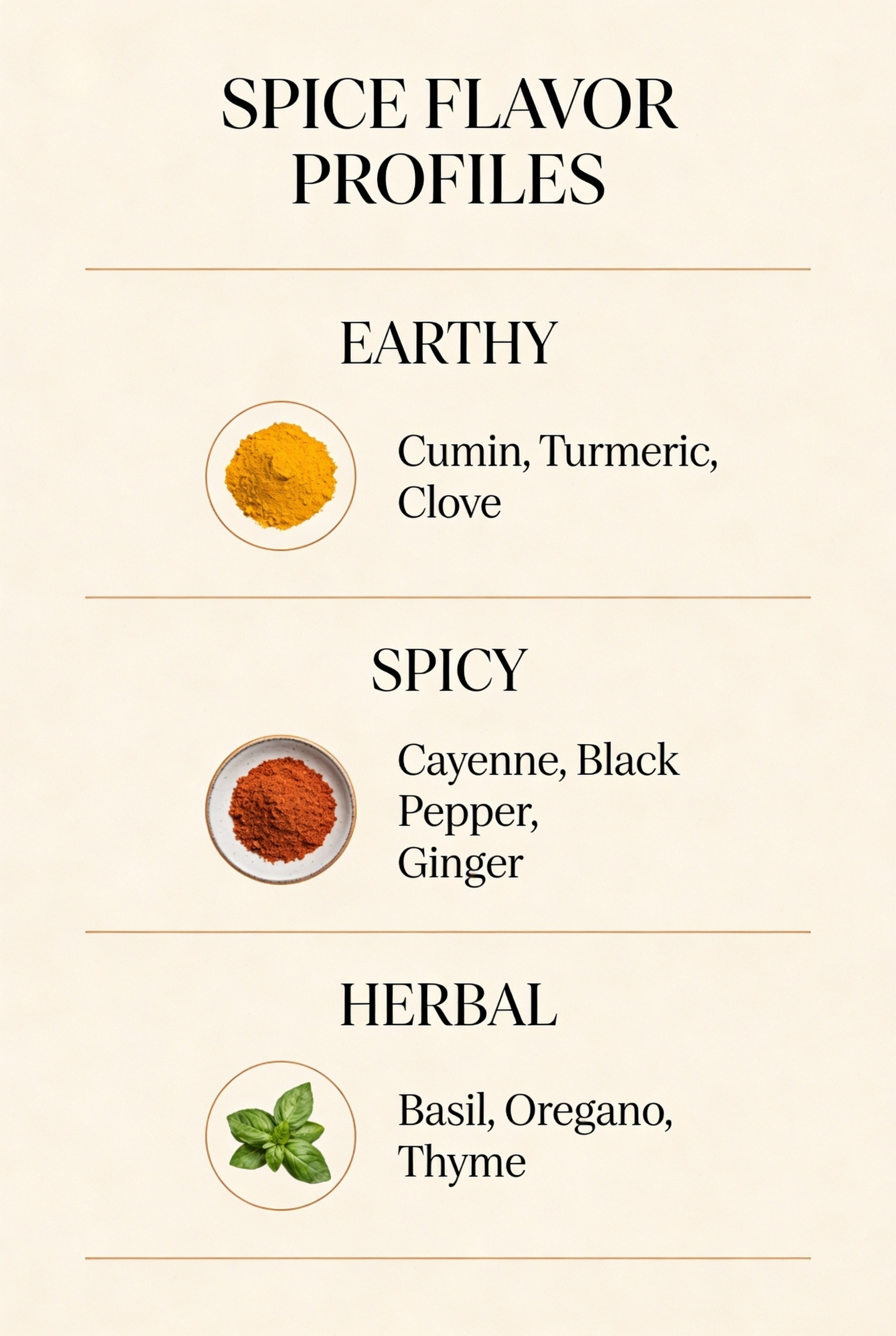
Before combining ingredients, one must understand the primary character of the spice. Spices generally fall into specific categories based on the sensation they produce on the palate.
- Earthy: Cumin, Turmeric, Clove. These provide a grounding, deep flavor often used in stews and root vegetable dishes.
- Floral/Sweet: Cardamom, Cinnamon, Coriander. These add aromatic complexity and are often used in both savory and sweet dishes.
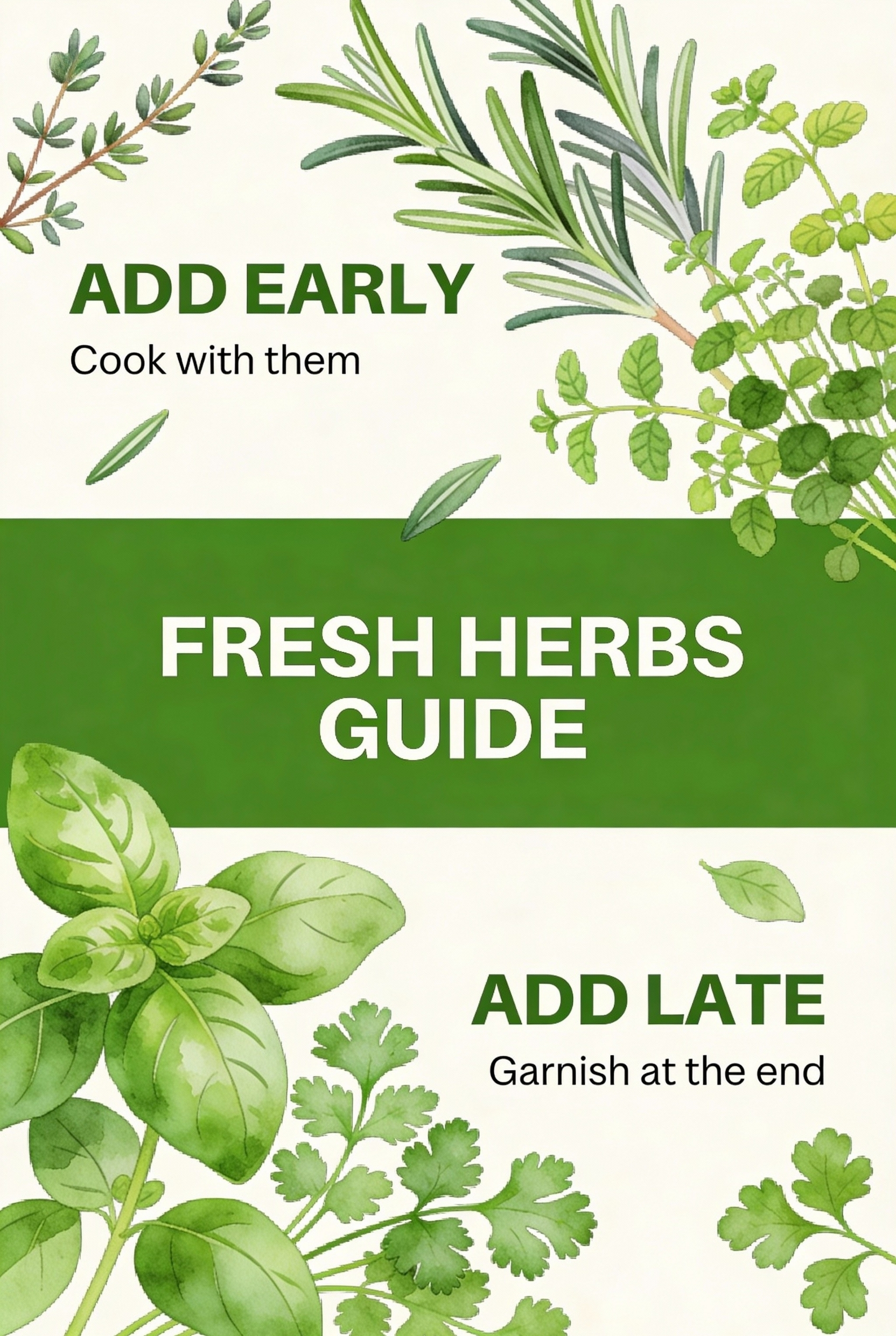
- Herbal/Fresh: Basil, Oregano, Parsley, Mint, Dill. These lighten a dish and are typically added towards the end of cooking to maintain their vibrancy.
- Spicy/Pungent: Black Pepper, Chili Flakes, Paprika, Ginger. These provide heat and intensity.
Vegetable Spice Pairings
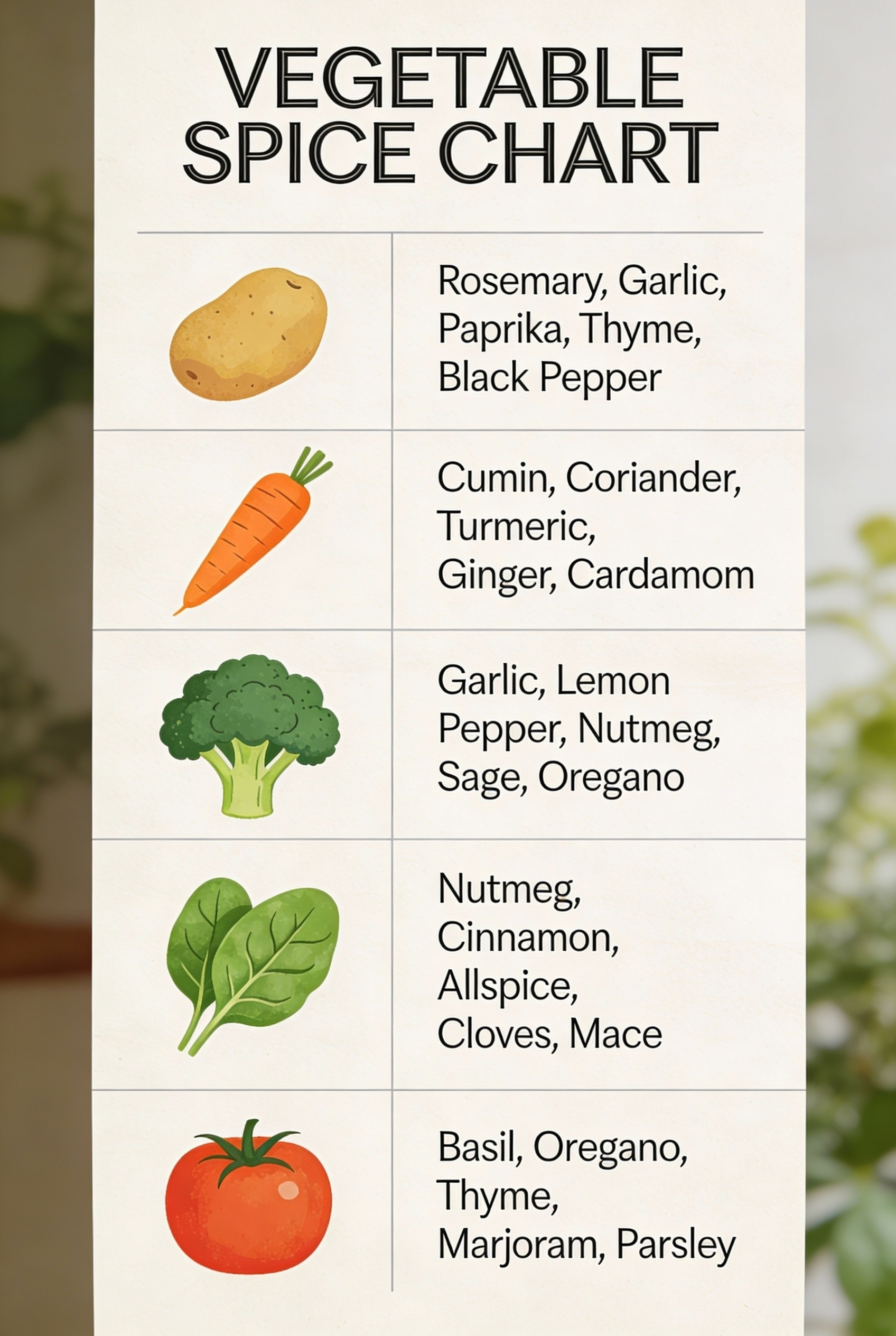
Vegetables often require distinct seasoning to enhance their natural sugars or earthy notes. A common mistake is using the same “all-purpose” seasoning for every vegetable. Root vegetables require different treatment than leafy greens.
Root Vegetables (Potatoes, Carrots, Sweet Potatoes)
Root vegetables have a dense texture and sweet undertones that pair exceptionally well with warm, earthy spices.
- Potatoes: Rosemary, Garlic Powder, Paprika, Parsley, Black Pepper.
- Carrots: Ginger, Cumin, Cinnamon, Thyme, Parsley.
- Sweet Potatoes: Cinnamon, Nutmeg, Clove, Allspice, Chili Powder.
Cruciferous Vegetables (Broccoli, Cauliflower, Brussels Sprouts)
These vegetables have a strong, slightly bitter flavor profile that benefits from savory and pungent spices.
- Broccoli: Garlic, Red Pepper Flakes, Lemon Zest (Dried), Mustard Seed.
- Cauliflower: Turmeric, Cumin, Coriander, Curry Powder, Paprika.
- Brussels Sprouts: Garlic, Smoked Paprika, Thyme, Mustard.
Leafy Greens (Spinach, Kale, Chard)
Greens are delicate and can be overpowered easily.
- Spinach: Nutmeg (just a pinch), Garlic, Onion Powder.
- Kale: Garlic Powder, Chili Flakes, Cumin, Smoked Paprika.
Meat and Poultry Pairings (Halal)
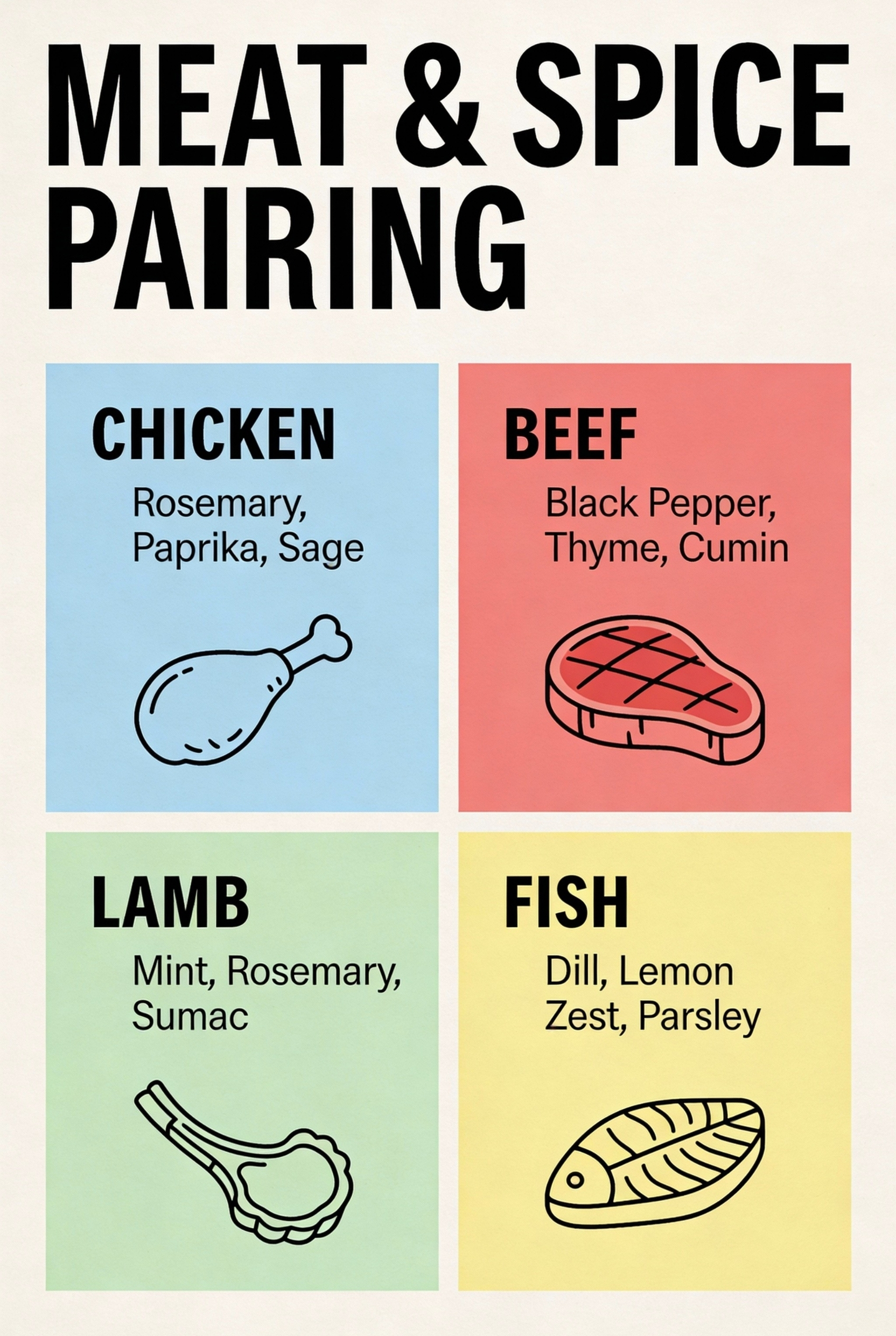
Animal proteins serve as a canvas for robust flavors. The goal is to complement the richness of the meat without masking its natural taste.
Chicken and Poultry
Chicken is the most versatile protein, accepting almost any flavor profile from sweet to spicy.
- Roast Chicken: Thyme, Rosemary, Sage, Lemon Pepper, Garlic Powder.
- Grilled Chicken: Paprika, Cumin, Coriander, Chili Powder, Oregano.
- Stewed Chicken: Turmeric, Ginger, Cinnamon (stick), Cardamom.
Beef
Beef has a strong, savory flavor that stands up well to intense herbs and pungent spices.
- Steak/Grill: Black Pepper (coarse), Garlic, Onion Powder, Rosemary, Thyme.
- Ground Beef: Cumin, Oregano, Chili Powder, Paprika, Coriander.
- Beef Stew: Bay Leaves, Thyme, Parsley, Black Peppercorns, Allspice.
Lamb
Lamb has a distinct, gamey flavor that pairs beautifully with strong aromatic herbs and warm spices widely used in Middle Eastern cuisine.
- Roast Lamb: Rosemary, Garlic, Mint, Thyme.
- Lamb Chops: Cumin, Coriander, Sumac, Za’atar.
- Lamb Stew: Cinnamon, Apricot (dried), Clove, Cardamom.
Fish
Fish is delicate and requires a lighter hand. Over-spicing can destroy the texture and subtle flavor.
- White Fish: Dill, Parsley, Lemon Zest, Paprika, Garlic.
- Salmon: Dill, Thyme, Smoked Paprika, Ginger, Garlic Powder.
Global Flavor Blends (DIY Mixes)
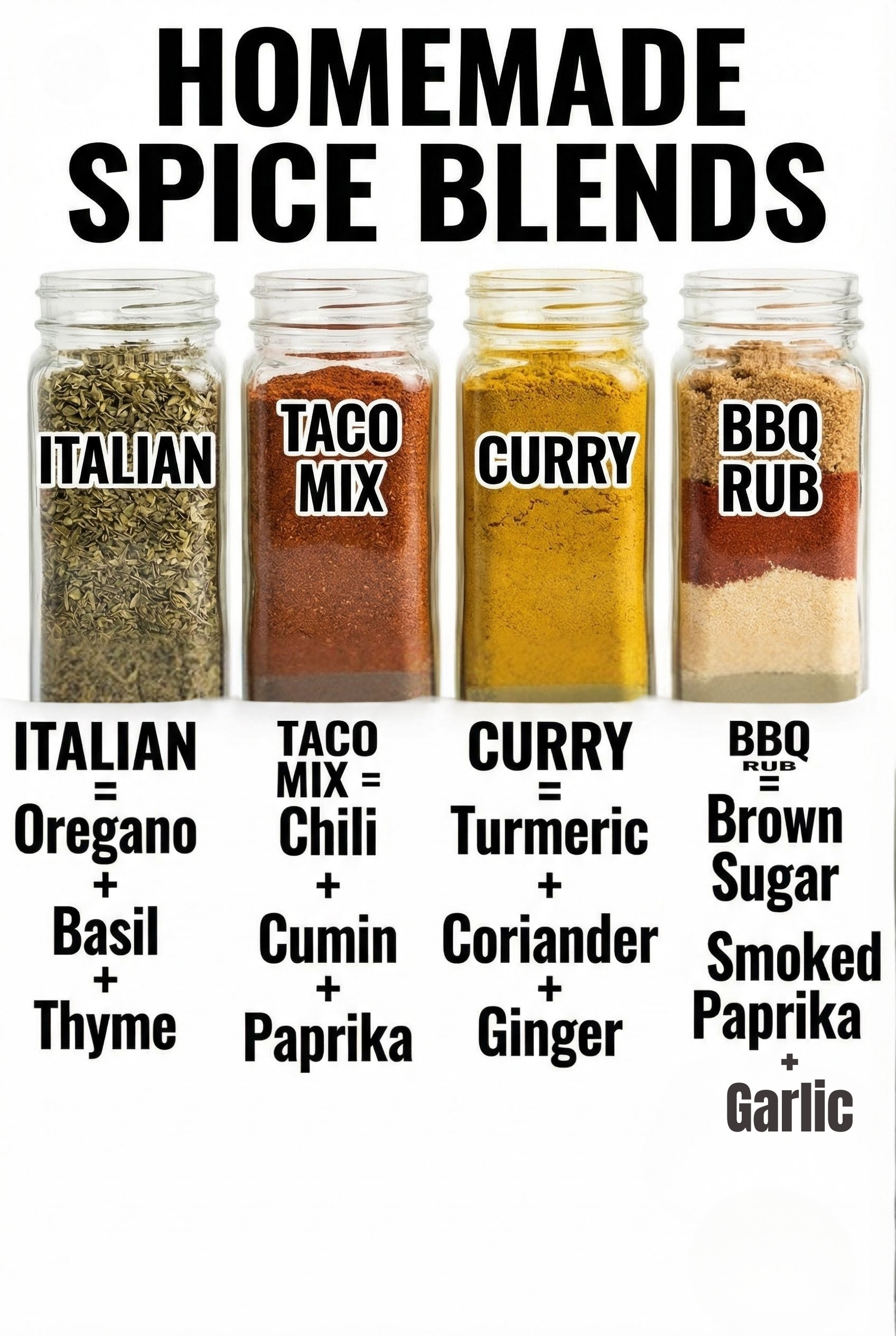
Often, recipes call for a “blend” rather than a single spice. Understanding the composition of these famous global blends allows for replication at home.
- Italian Blend: Oregano + Basil + Thyme + Rosemary + Marjoram.
- Best for: Pasta sauces, grilled vegetables, pizza.
- Curry Powder (Basic): Turmeric + Cumin + Coriander + Ginger + Fenugreek.
- Best for: Lentils, roasted cauliflower, chicken stews.
- Taco Seasoning: Chili Powder + Cumin + Paprika + Oregano + Garlic Powder + Onion Powder.
- Best for: Ground beef, beans, fajitas.
- Za’atar: Dried Thyme/Oregano + Sumac + Sesame Seeds + Salt.
- Best for: Flatbreads, labneh, olive oil dip, grilled chicken.
Baking and Sweet Spices
Spices are not reserved solely for savory dishes. In baking, spices provide warmth and complexity that balance sugar.
- Cinnamon: The universal sweet spice. Pairs with apples, bananas, chocolate, and coffee.
- Nutmeg: Use sparingly. Pairs with custards, dairy-based desserts, and sweet potatoes.
- Cardamom: Aromatic and floral. Pairs with tea cakes, coffee, pears, and orange.
- Ginger (Ground): Spicy and warm. Pairs with molasses, honey, and pumpkin.
- Cloves: Intense and numbing. Pairs with apples and pumpkin (usually in small amounts).
Frequently Asked Questions (FAQ)
Q: When should dried herbs be added vs. fresh herbs? A: Dried herbs (like oregano, thyme, rosemary) are more potent and should be added early in the cooking process to allow them to rehydrate and release flavor. Fresh herbs (like parsley, basil, cilantro) are delicate and should be added at the very end or as a garnish to maintain their color and fresh taste.
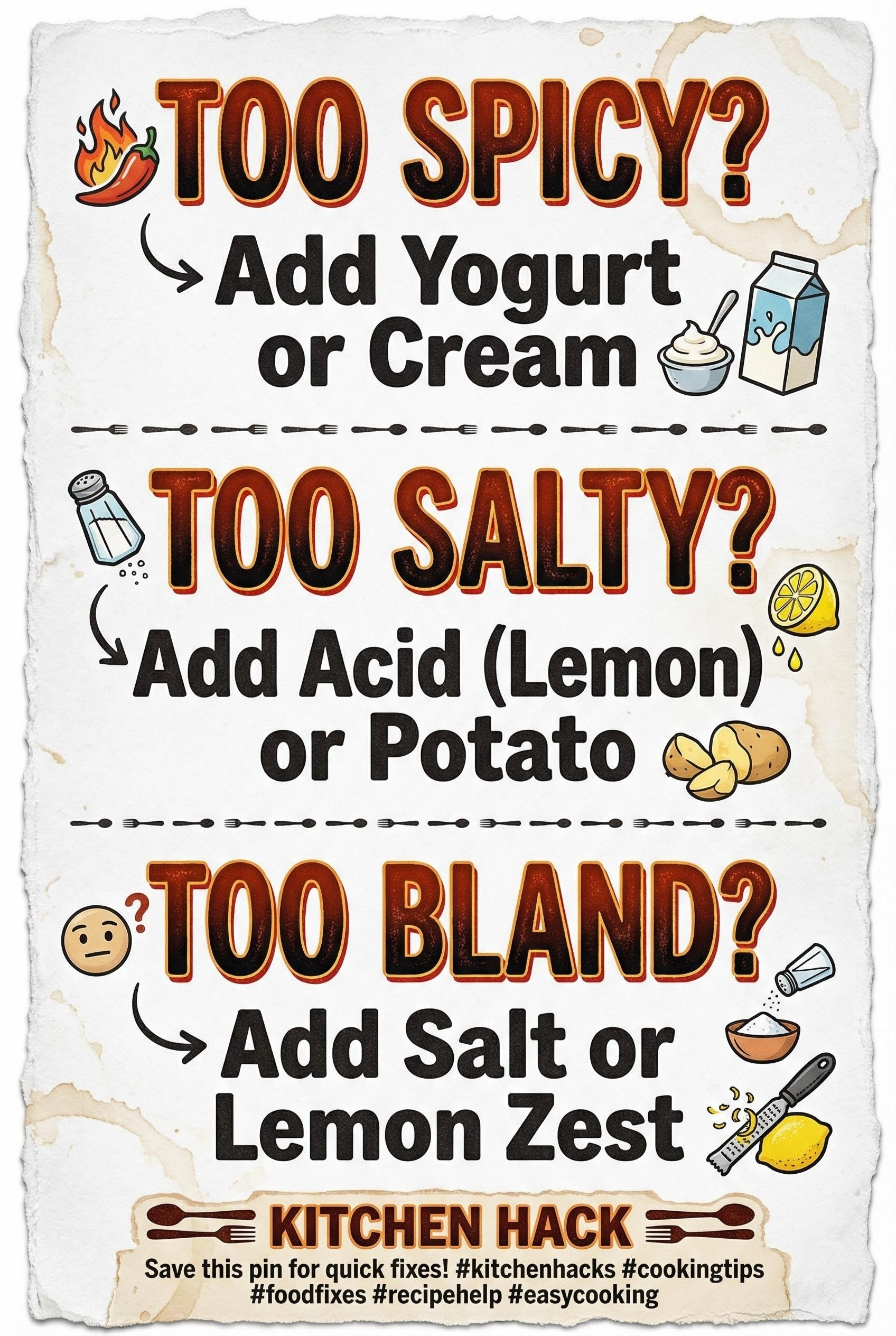
Q: How can a dish be fixed if it is too spicy? A: If a dish becomes accidentally too hot, adding acid (lemon juice, vinegar) or a fat source (yogurt, cream, coconut milk) can help neutralize the heat. Adding sugar or more vegetables can also dilute the spiciness.
Q: What is the best way to store spices? A: Spices should be kept in airtight containers in a cool, dark place, away from direct sunlight and heat. Storing them directly above the stove is not recommended, as heat and humidity will cause them to degrade and clump.
Q: Can fresh garlic be substituted for garlic powder? A: Yes, but the flavor profile is different. Garlic powder is sweeter and less pungent than raw garlic. Generally, 1/4 teaspoon of garlic powder is equivalent to one medium clove of fresh garlic.
📌 Save This for Later!
Don’t let this info get lost in your feed. Save this guide to your Pinterest Boards to keep these tips handy for next time.