

Minimalist Chic: The Ultimate Guide to the Modern Micro French Manicure
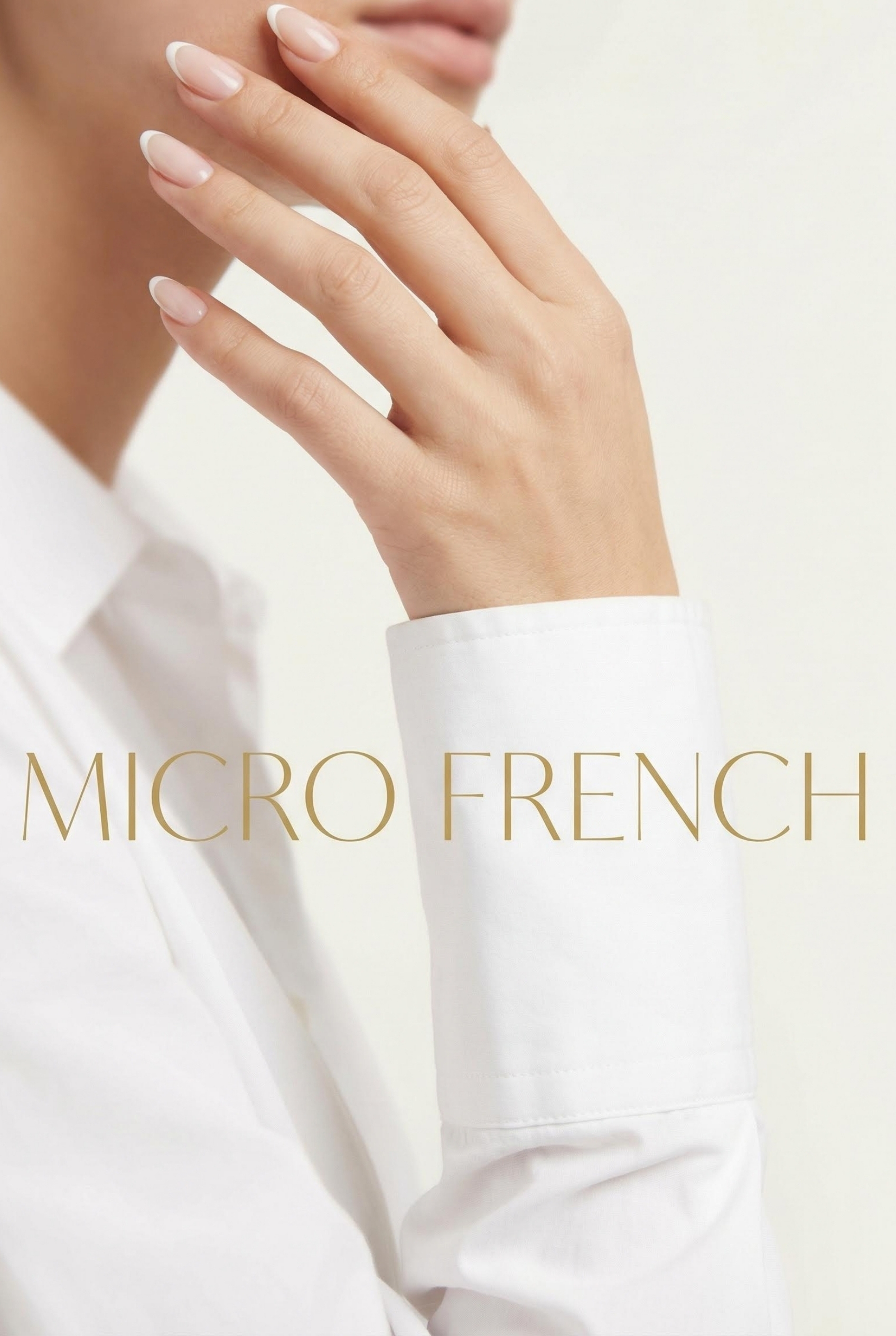
In a beauty landscape often dominated by intricate designs and maximalist art, there is a refreshing return to simplicity. The classic French manicure, a staple of the 90s and early 2000s, has undergone a sophisticated transformation. Gone are the thick, chalk-white tips that once defined the look. In their place, a more refined, delicate, and “barely there” style has emerged: the Micro French Manicure.
This modern iteration is the epitome of “Minimalist Chic.” It speaks to a desire for clean lines, negative space, and a polished appearance that complements rather than overpowers. It is the favored choice for women who appreciate understated elegance, offering a versatile look that transitions seamlessly from a professional office environment to a high-end dinner.
1. Redefining the Classic: What is “Micro” French?
The fundamental difference between the traditional French manicure and the Micro French lies in the ratio. The traditional style often featured a thick white band that covered a significant portion of the nail’s free edge. The Micro French, however, is all about precision. It features an incredibly thin, whisper-light line at the very tip of the nail.
This subtle change has a massive impact on the overall aesthetic. By minimizing the tip, the nail bed appears longer and more slender. It mimics the natural halo of a healthy nail but perfects it. The result is a look that is incredibly natural yet undeniably groomed. It aligns perfectly with the “no-makeup makeup” trend, bringing that same philosophy to hand care.
2. Beyond White: The Colorful Micro Tip
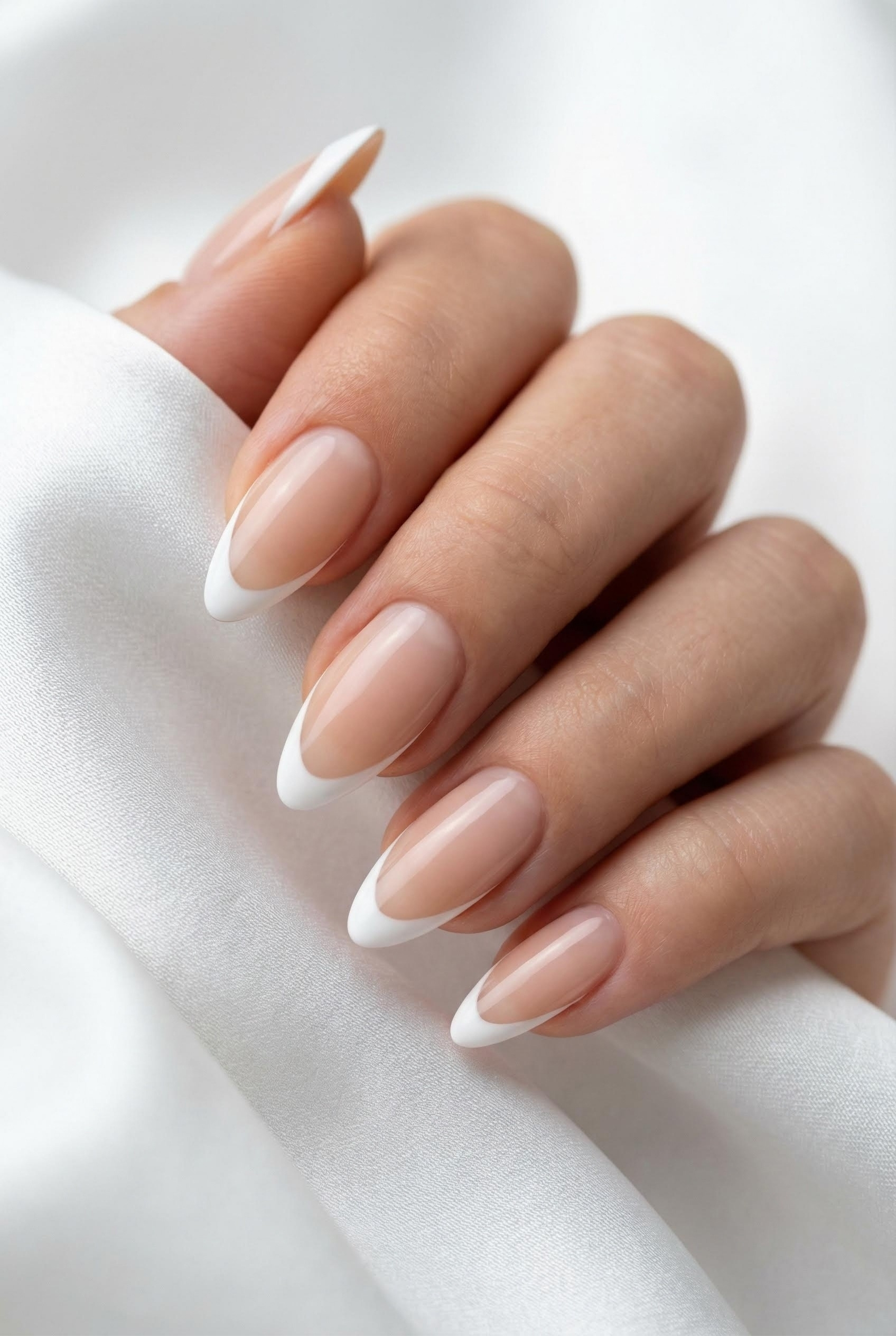
While crisp white is the timeless standard, the Micro French trend has opened the door to a spectrum of colors. Because the line is so thin, it allows for the use of bold or dark colors without them feeling overwhelming. This is where the trend truly becomes versatile and fun while remaining classy.
- Deep Black & Navy: A thin line of obsidian black or navy blue offers a modern, architectural look. It adds a touch of edge to the manicure without the heaviness of a full black nail.
- Soft Pastels: For spring and summer, replacing the white with baby blue, mint green, or soft lavender adds a playful yet sophisticated element.
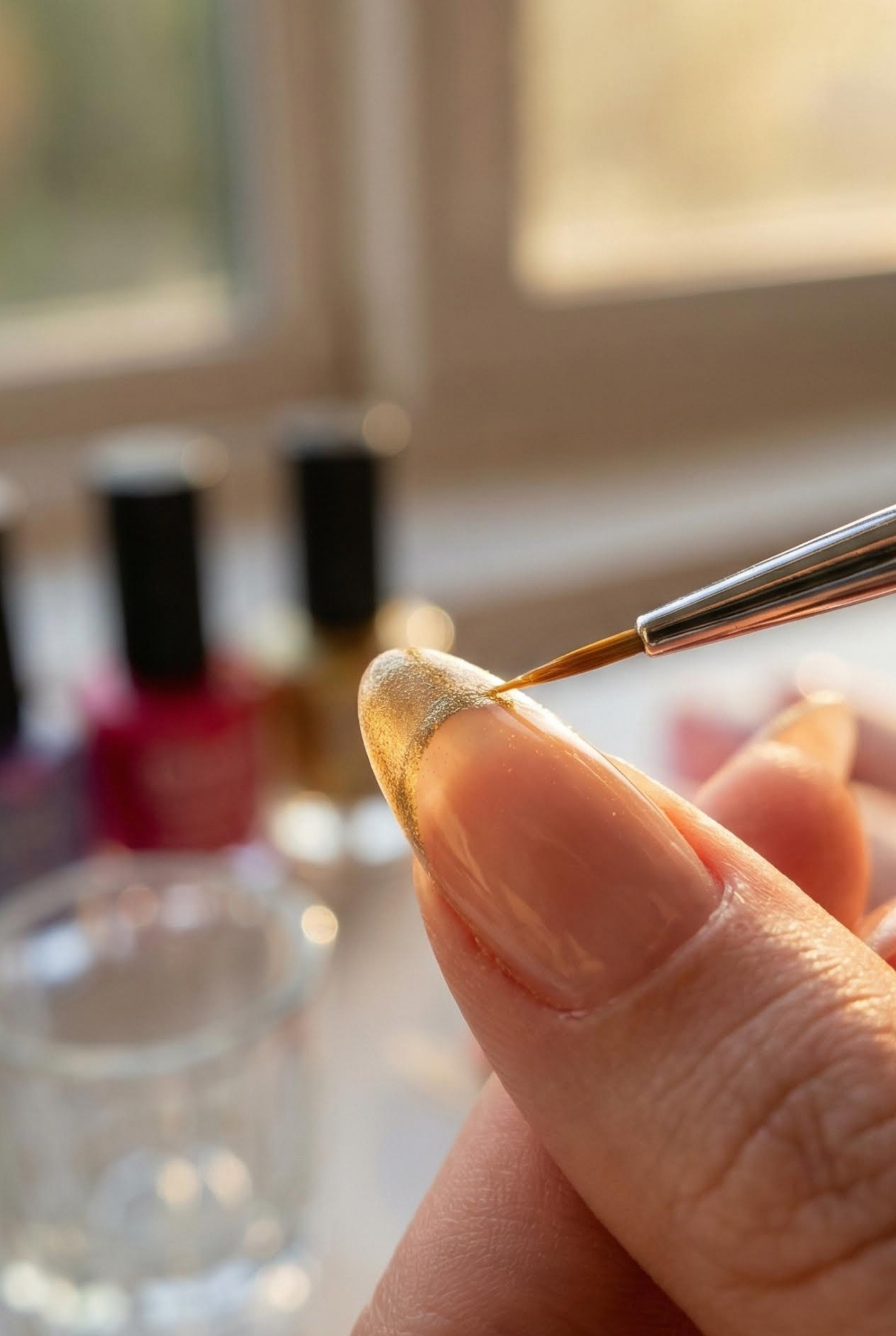
- Metallics: A fine line of gold or silver chrome is perfect for special occasions, acting like jewelry for the nails.
3. The Importance of the Base Coat
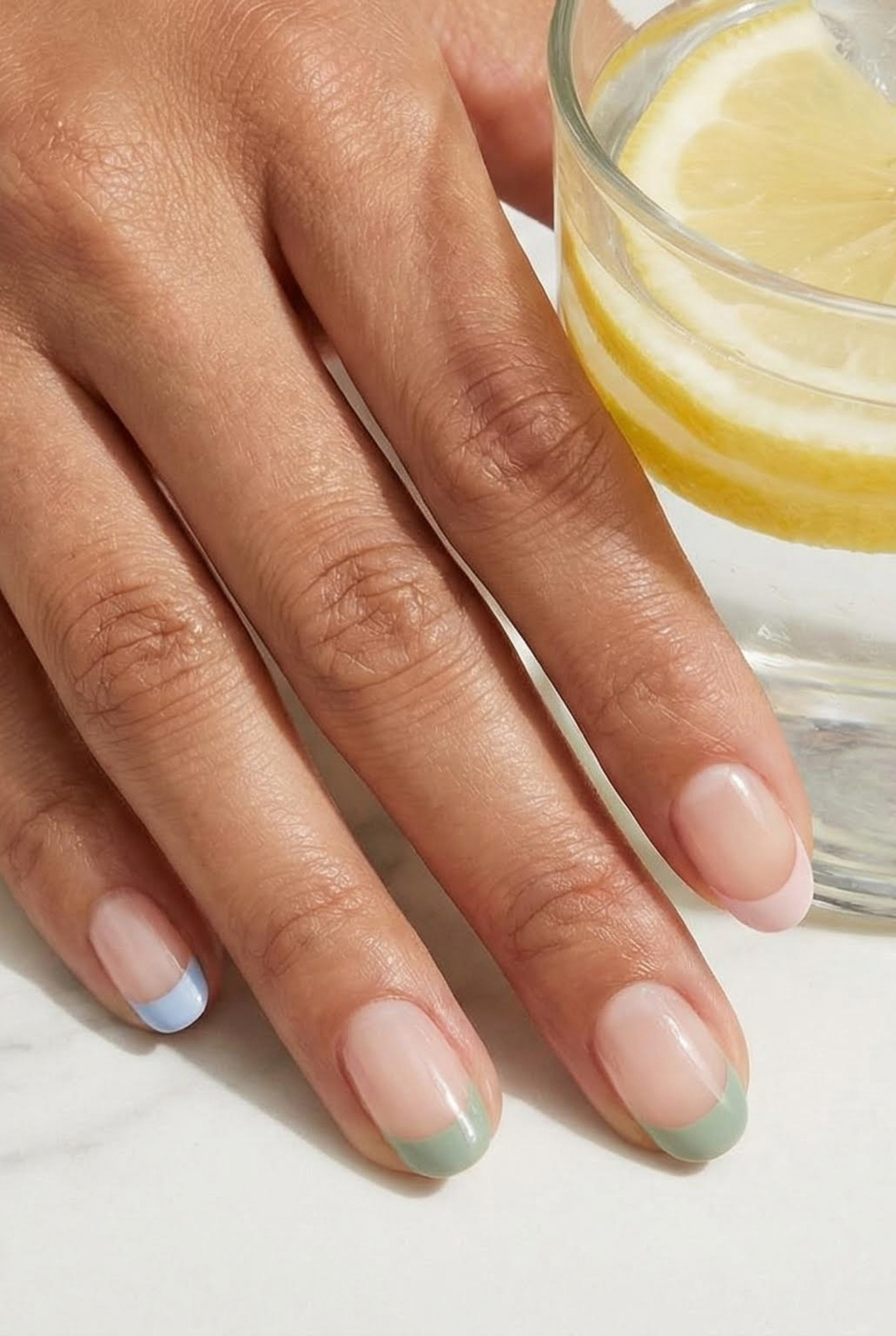
In a Micro French manicure, the base color is just as important as the tip itself. Since the tip is so minimal, the majority of the nail is visible. Therefore, achieving the perfect “your nails but better” base is crucial. The goal is to find a sheer, translucent shade that neutralizes any discoloration in the natural nail plate while providing a healthy glow.
For fair skin tones, sheer pinks or milky whites work best to provide a clean canvas. For olive and deeper skin tones, semi-sheer beiges and warm caramels ensure the manicure looks intentional and harmonious. The base should effectively blur the line where the natural free edge begins, resulting in a seamless elongation effect before the micro tip is applied.
4. Suitability: Short vs. Long Nails
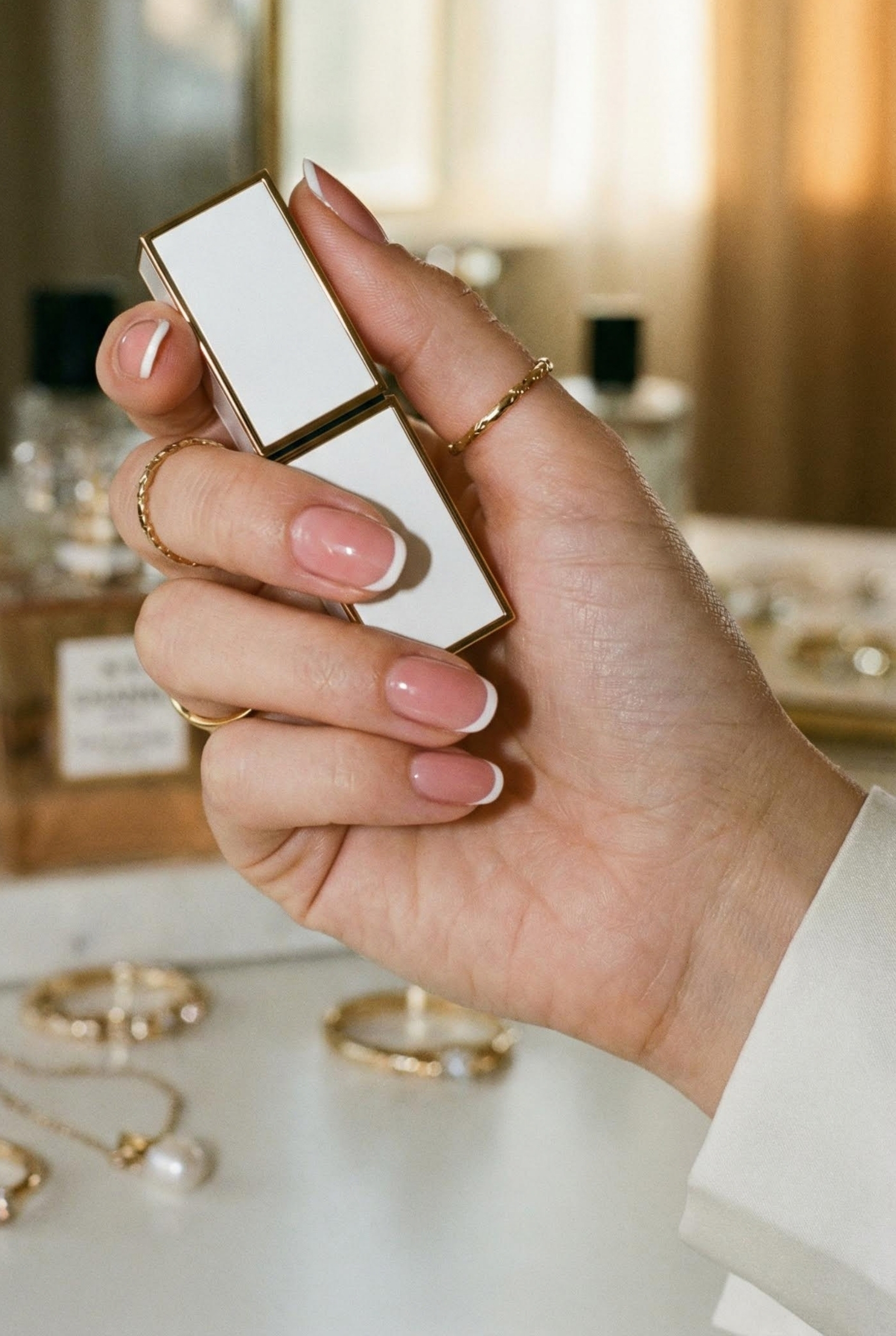
One of the greatest advantages of the Micro French is its universality regarding nail length. Unlike some nail art that requires a long canvas, this design thrives on shorter nails.
- Short Squoval: On short nails, the thin line emphasizes the shape without making the nail look stubby. It establishes a very neat, ‘clean girl’ aesthetic that is highly popular on social media.
- Medium Almond: On almond shapes, the curved micro tip accentuates the elegance of the finger.
It is particularly recommended for those who are growing out their nails. As the nail grows, the neutral base makes the growth line less obvious, allowing for longer wear time between appointments compared to a solid color manicure.

5. Precision Application and Tools
Achieving the Micro French look requires a steady hand and the right tools. It is not a design that can be easily executed with the standard brush that comes in a nail polish bottle. Professional nail artists use ultra-fine liner brushes to drag the polish across the very edge of the nail.
For at-home enthusiasts, silicone stampers have become a popular hack. By applying a small amount of polish to the stamper and gently pressing the nail tip into it, one can achieve that coveted thin line. However, for the crispest, most editorial finish, hand-painting with a liner brush remains the gold standard. The line must be consistent in thickness from one side of the nail wall to the other.
Pro Tips for a Flawless Finish
The beauty of the Micro French lies in its perfection. Any mistake is easily visible. Here is how to ensure a salon-quality result:
- The “Cleanup” Brush: Always keep a small brush dipped in remover nearby. If the line gets too thick, you can gently carve it back to a micro-thin state before curing or drying.
- Matte vs. Glossy: While glossy is traditional, applying a matte top coat over a Micro French imparts a velvety, modern texture that looks incredibly chic with pastel tips.
- Hand Positioning: When painting, rest your pinky finger on a stable surface to stabilize your hand and prevent shaking.