

Checkerboard Floors Are Back With a Softer, Warmer Look
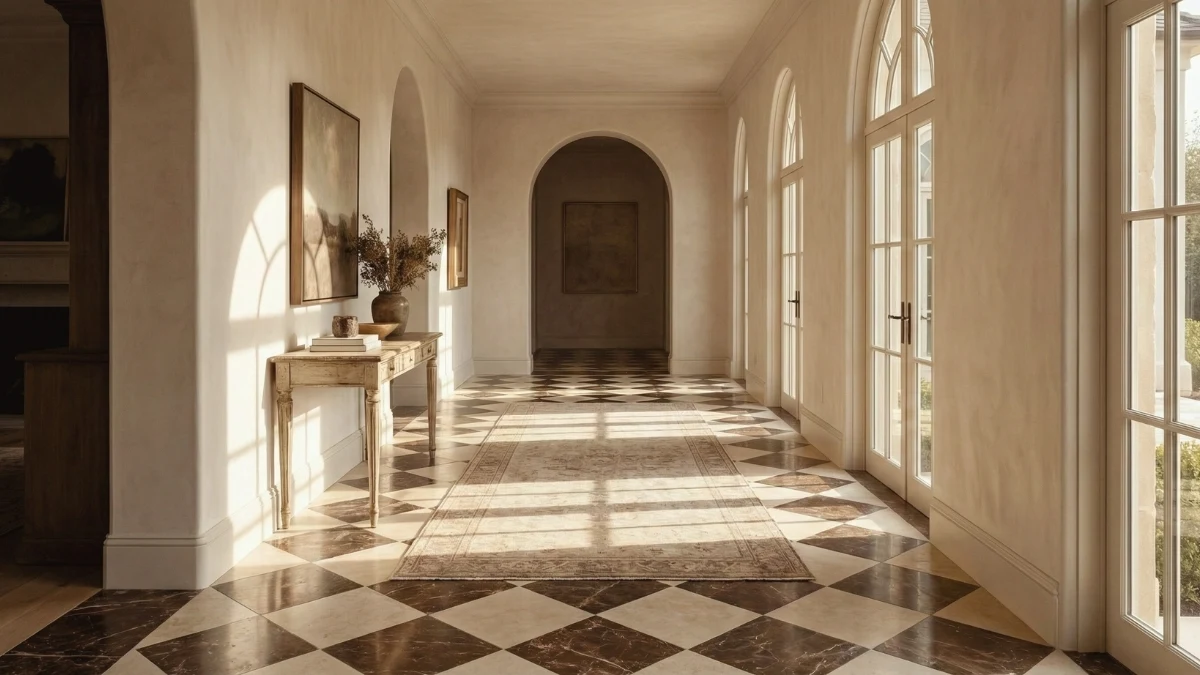
For years, checkerboard floors were pushed aside. They were seen as too retro, too bold, or too reminiscent of a 1950s diner. But in 2026, they are returning to homes across the globe with a completely new personality—one that feels calm, thoughtful, and surprisingly refined.
We aren’t seeing the stark, clinical black-and-white tiles of the past. Instead, a warmer, more sophisticated style has emerged. Industry insiders and trend reports from MSI Surfaces are calling this shift “Velvet Truffle,” and it is quickly becoming the defining design aesthetic of the year.
Here is why this trend is taking over, and the specific design rules you need to follow to make it look timeless rather than temporary.
1. The New Palette: Warmth Over Contrast
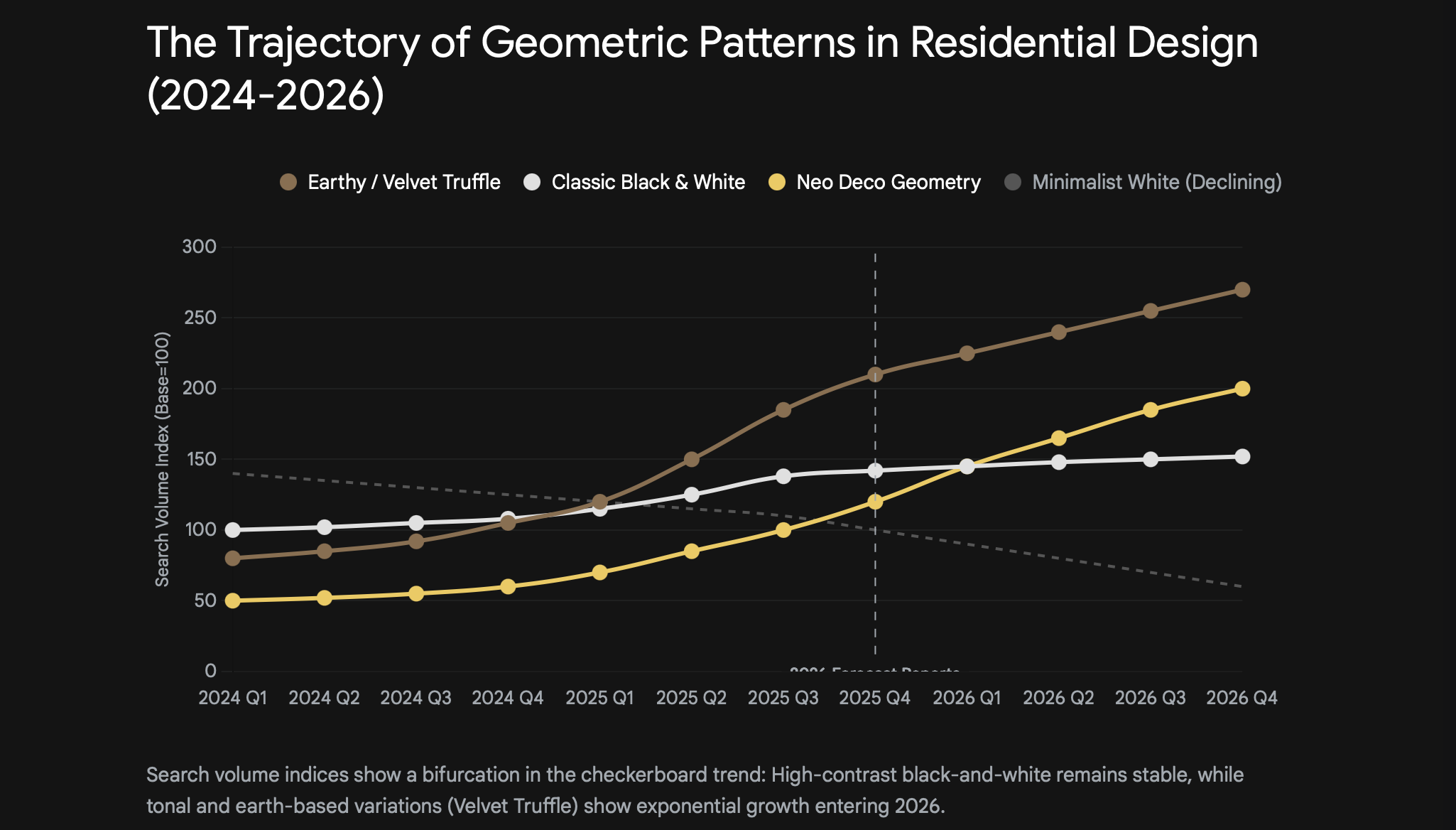
The most significant evolution in 2026 is color. According to recent search data from Houzz, consumer interest is pivoting away from high-contrast monochrome toward “moody elegance.”
Homeowners are trading stark white and charcoal for the “Velvet Truffle” palette. This look relies on rich, earthy tones:
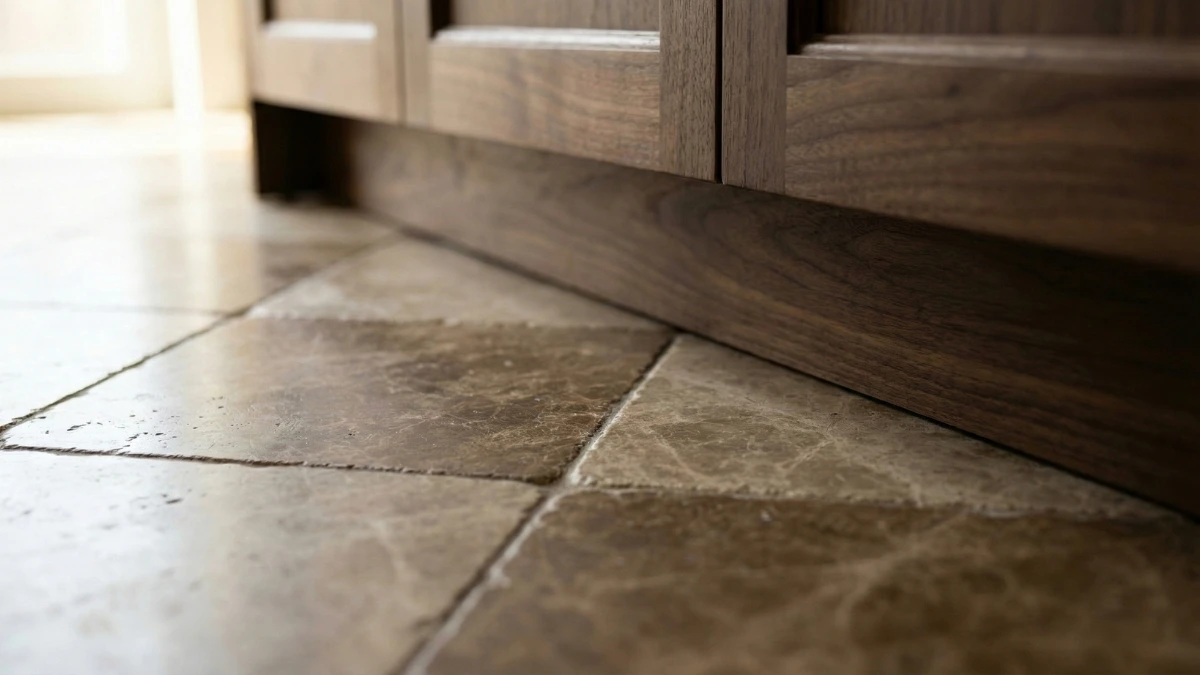
- Chocolate Brown & Cream: Think deep Emperador Dark marble paired with soft Crema Marfil limestone.
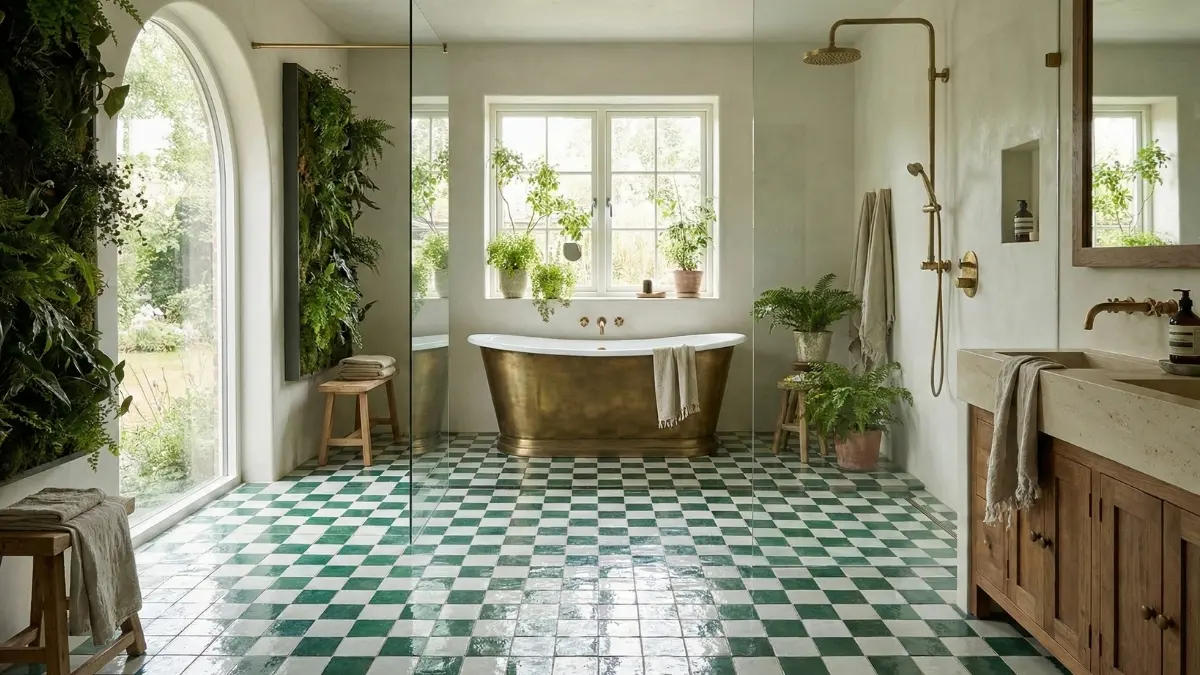
- Sage & Stone: For a lighter, “garden room” feel, soft sage green tiles paired with tumbled white stone are surging in popularity.
Why it works: It’s visually quieter. A floor in deep walnut and travertine grounds a room without dominating it like a strobe light. It brings the historic charm of an old European manor rather than the sharpness of modern pop art.
2. The “Diagonal Hack” for Small Spaces
Beyond color, there is a clever structural trick designers are using right now: The Diagonal Lay.
In the past, tiles were stacked in a straight grid (stack bond). Today, pros are laying them on a 45-degree angle (on the bias). This isn’t just an aesthetic choice; it is a spatial hack specifically for hallways, galleys, and smaller kitchens.
- The Optical Illusion: Laying tiles diagonally draws the human eye toward the corners of the room rather than the walls. This “pushes” the boundaries outward.
- The Result: Narrow spaces instantly appear wider and more expansive.
- Pro Tip: Pair this layout with large-format tiles (24×24 inches). Bigger tiles mean fewer grout lines, which reduces visual clutter and makes the room feel grander.
3. Mastering the Mix: The “Rule of Three”
One of the biggest fears homeowners have is that a checkerboard floor will clash with everything else. However, 2026 is all about maximalism with control.
Designers use the “Rule of Three” to ensure the floor supports the room rather than fighting it:
- The Anchor (Large Scale): The checkerboard floor sets the foundation.
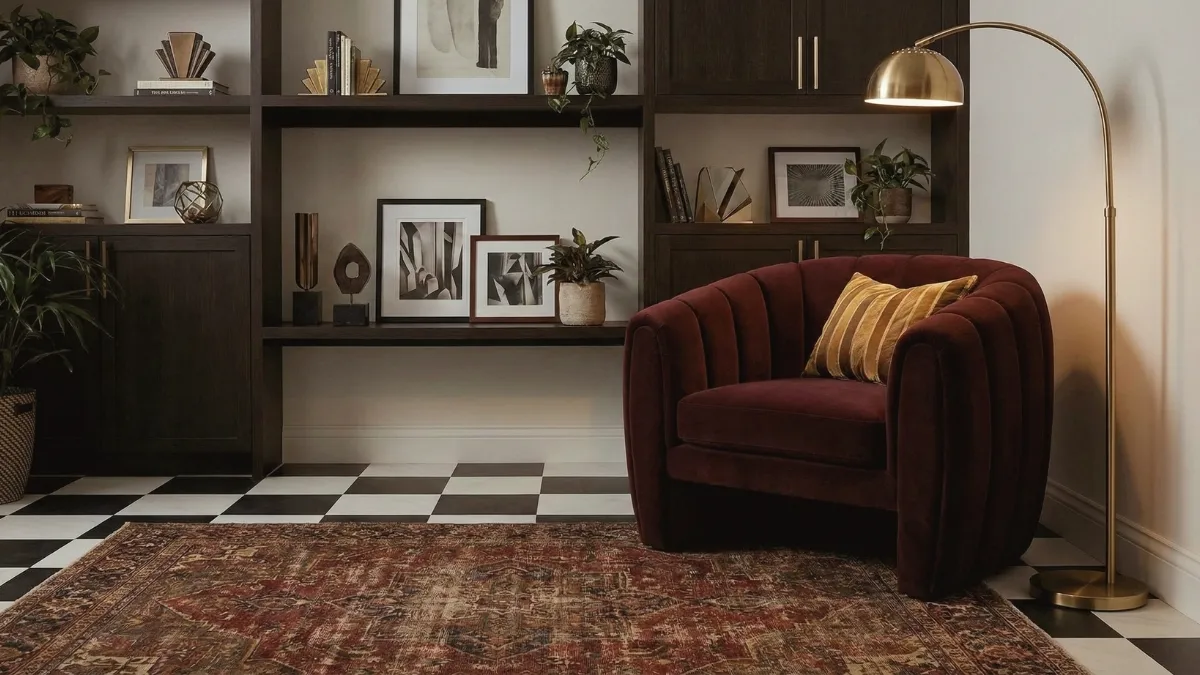
- The Bridge (Medium Scale): Use a secondary pattern like a striped upholstery or a plaid armchair. Stripes work exceptionally well because their linear nature complements the grid of the floor.
- The Detail (Small Scale): Finish with intricate details, like a floral throw pillow or a small-print lampshade.
This layering helps shape a space that feels curated and “collected” over time, avoiding the flat “showroom” look.
4. Expert Voices: Timeless, Not Trendy
The reason this trend feels so permanent is that top designers are treating it as a foundation, not a fleeting fad.
Shea McGee, known for her layered “Modern Farmhouse” aesthetic, is currently advocating for softening these graphic floors with vintage rugs and deep wood tones. Her goal for 2026 is to achieve a “Hollywood Cottage” feel—cozy, textured, and slightly nostalgic.
Similarly, Australian designer Greg Natale suggests using the pattern to add rhythm. In a minimalist room, the checkerboard floor becomes the only “ornament” you need, allowing the walls to remain clean and uncluttered.
5. Maintenance: The “Zellige” Warning
If you are scrolling through Pinterest and falling in love with the shimmering, handmade look of Zellige tiles for your bathroom, proceed with caution.
These Moroccan tiles are beautiful, but they require specific care.
- The Risk: Their glaze is delicate. Experts warn strictly against using acidic cleaners (like vinegar, lemon, or harsh bleach). The acid can dull the beautiful shimmer and damage the cement-based grout often used with them.
- The Solution: Stick to pH-neutral soaps to keep that 2026 sparkle alive without ruining the finish.
Why It’s Here to Stay
The 2026 checkerboard isn’t about chasing a fleeting moment. It is about “roots and rhythm.”
By swapping harsh contrasts for the warm, earthy tones of the “Velvet Truffle” palette and embracing smarter layouts like the diagonal shift, this classic pattern has shed its retro skin. It has become a foundational element of the new American home—bold enough to be interesting, but quiet enough to live with forever.