

The “Restaurant Copycat” Hack: Stop Overpaying for Takeout
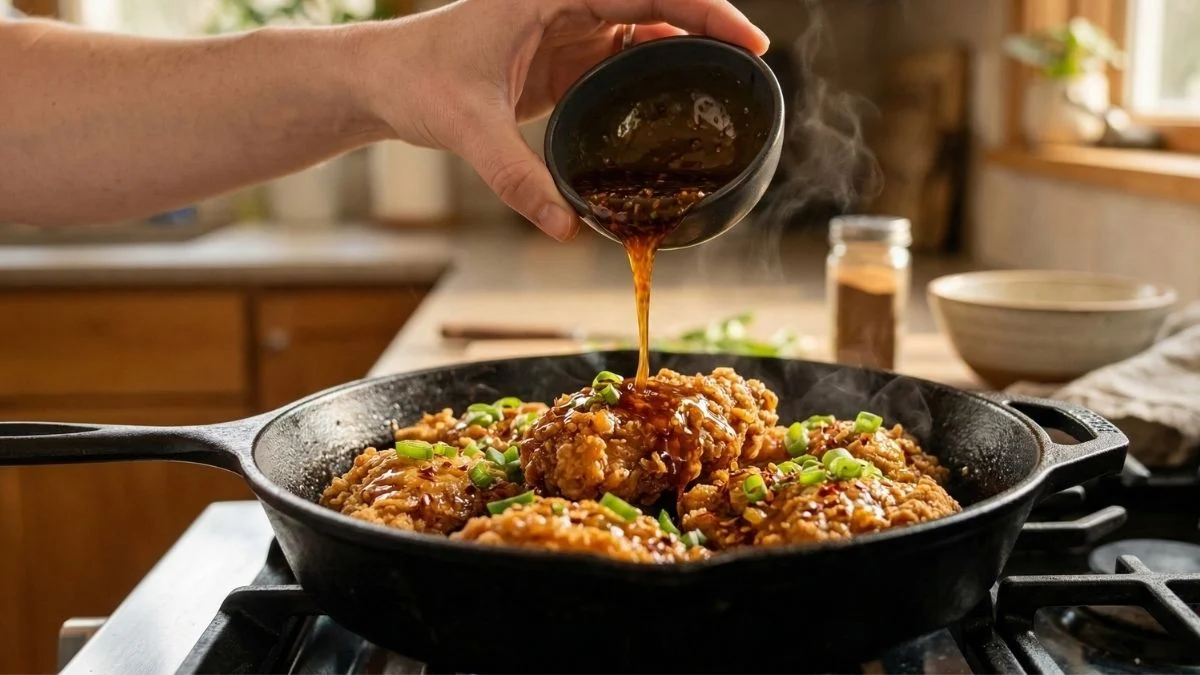
We’ve all been there—staring at a food delivery app, watching a simple midweek meal suddenly balloon with service charges and delivery fees, and wondering if it is really worth it. If you have felt that budget pinch lately, you are in very good company. Across widely shared community discussions and recent economic data, a powerful consensus is emerging: eating out has shifted from a time-saving convenience to an unsustainable luxury.
But here is the exciting news! A massive wave of home cooks is taking matters into their own hands. Known as the “Restaurant Copycat” trend, this movement is less about having a quaint kitchen hobby and more about mastering a highly effective, community-driven financial strategy. Let’s dive into the research-backed secrets of how people are decoding their favorite restaurant menus to save serious cash, eat better, and feel entirely self-sufficient.
The Financial Wake-Up Call: Why Takeout is Breaking the Bank
If you feel like your grocery bill is stable but your restaurant tabs are soaring, you aren’t imagining things. According to comprehensive industry reports, while grocery inflation has been relatively modest, the markup on restaurant meals has reached historic highs.
In fact, aggregated data reveals that ordering the exact same meal from a restaurant is nearly five times more expensive than preparing it in your own kitchen. And when you factor in third-party delivery apps? The financial gap becomes a chasm. Those platform fees, driver tips, and inflated in-app menu prices act as a hidden tax on our household budgets.
In community forums like Reddit’s r/Frugal and r/CopyCatRecipes, users aren’t just swapping recipes; they are actively gamifying their savings. One popular strategy shared across these platforms involves opening a delivery app when a craving hits, putting down the phone, cooking a copycat version with pantry staples, and immediately transferring that $20 or $30 directly into a savings account. It’s an instant, highly motivating reward system!
Deconstructing the Drive-Thru: Famous Recipes Revealed
Have you ever wondered why your homemade chicken just doesn’t taste like the drive-thru favorite? The research report highlights several fascinating food engineering secrets that massive chains use, which you can easily replicate at home:
1. Panda Express: The “Orange Chicken” Crunch
The golden standard of fast-casual Asian food relies heavily on the batter chemistry. To get that incredibly light, crispy exterior that doesn’t turn chewy, the secret is using cold sparkling water in the cornstarch and flour batter. When the cold, carbonated liquid hits hot oil, the bubbles expand rapidly, forming a perfectly porous texture.
2. KFC: The Truth About the 11 Spices
For decades, the famous 11 herbs and spices have been a legendary secret. However, test kitchens and leaked formulas suggest the most critical, aggressive flavor component isn’t black pepper—it is actually a heavy dose of white pepper (up to 3 tablespoons for every 2 cups of flour). Combined with a buttermilk marinade to tenderize the meat and a pinch of MSG to trigger those savory umami receptors, you get that signature flavor profile.
3. Chipotle: The Caramelized Chicken Bowl
To replicate those famously smoky, slightly charred chicken bowls, the community consensus points to the Maillard reaction. By blending adobo sauce with a touch of honey and cooking the chicken in a screaming-hot cast-iron skillet, the natural sugars caramelize rapidly. The ultimate pro-tip? Let the meat rest for at least five minutes before slicing so the juices redistribute.
4. Premium Coffeehouse: Bakery and Breakfast Secrets
If you are addicted to the coffee shop’s pumpkin bread, user-reported test kitchen trials reveal the secret: use solid-pack canned pumpkin instead of fresh (which holds too much water) and opt for oil over butter to keep the bread incredibly moist for days. As for those velvety sous-vide egg bites? Blending the eggs with cottage cheese and baking them in the oven over a tray of boiling water perfectly mimics the gentle, steam-rich commercial cooking environment.
Chef-Level Science You Can Do at Home
You don’t need a culinary degree to make food taste like a masterpiece. The research highlights several simple, scientific techniques used by professional chefs to manipulate flavor:
- The “Velveting” Technique: This is the holy grail of stir-fries. By marinating thinly sliced chicken or beef in a mixture of baking soda, cornstarch, and egg whites for 20 minutes before cooking, you alter the pH level of the meat. This prevents the proteins from seizing up, ensuring every bite is meltingly tender.
- Strategic Seasoning: Chefs don’t just salt at the end; they season at every step of the process. This builds a complex flavor profile that draws out natural aromas rather than just making the dish taste “salty.”
- A Splash of Acidity: If your home-cooked meal feels a bit heavy or dull, it likely needs acid. A squeeze of fresh lemon juice or a dash of apple cider vinegar right after you turn off the heat cuts through rich flavors and instantly brightens the dish.
Zero Waste: “Fridge Soup” and Smart Prep
Another massive advantage of the copycat lifestyle is waste reduction. Thrifty online communities strongly advocate by compiling a “freezer inventory” and saving vegetable scraps in frozen bags to simmer into rich, mineral-packed broths later. Combined with “Meal Prep Sundays”—where cooking large batches of proteins and grains saves up to 3 hours a week—home cooking actually ends up saving far more time than waiting for a delayed delivery driver.
The Health Bonus: Better Food, Brighter Moods
The benefits of the restaurant copycat trend go far beyond our wallets. When we eat out, we are often victims of “Menu Engineering”—a psychological tactic where menus are designed to subtly push us toward high-margin, calorie-dense items.
According to comprehensive epidemiological studies on dining out analyzed by Tufts University, a staggering percentage of fast-food and full-service restaurant meals rank as having “poor nutritional quality.” By contrast, research confirms that families who frequently cook at home score significantly higher on the Healthy Eating Index (HEI). When you control the ingredients, you get to swap heavy creams for lighter alternatives, bake instead of deep-fry, and completely eliminate industrial seed oils—all without spending an extra dime.
Redefining Your Kitchen
Investing in high-quality kitchen gear—like a reliable cast-iron skillet, an air fryer, or a solid espresso machine—is no longer seen as a splurge. Across behavioral finance discussions, these tools are recognized as highly profitable household investments that literally pay for themselves within months.
Ultimately, learning the art of the “Restaurant Copycat” is the smartest shield we have against rising costs. By cracking the code on our favorite meals, we get to reclaim our budgets, boost our nutrition, and enjoy top-tier flavors right from the comfort of our own dining tables.
BONUS: The Ultimate “Better Than Takeout” Orange Chicken Recipe
Here is the exact step-by-step recipe applying the pro-chef secrets we just discussed!
Prep time: 20 mins | Cook time: 15 mins | Servings: 4
The Chicken & “Secret” Batter:
- 1.5 lbs boneless, skinless chicken thighs (cut into bite-sized pieces)
- 1/2 cup all-purpose flour
- 1/2 cup cornstarch
- 1 egg
- 1/2 cup ice-cold sparkling water (This is the secret for the ultimate airy crunch!)
- 1 tsp salt & 1/2 tsp black pepper
- Oil for frying (canola or vegetable oil)
The Sticky Orange Glaze:
- 1/2 cup fresh orange juice + 1 tsp orange zest
- 1/3 cup soy sauce (low sodium preferred)
- 1/3 cup brown sugar (adjust to taste)
- 1/4 cup white vinegar or rice vinegar
- 1 tbsp fresh ginger, minced
- 2 cloves garlic, minced
- 1/2 tsp red chili flakes (optional, for a kick)
- 1 tbsp cornstarch mixed with 2 tbsp water (slurry to thicken)
Instructions:
- The Secret Batter: In a large bowl, whisk together the flour, cornstarch, salt, and pepper. Add the egg and the ice-cold sparkling water. Whisk until just combined (a few lumps are fine).
- Coat the Chicken: Toss your chopped chicken thighs into the batter, ensuring every piece is beautifully coated. Let it rest for 10 minutes while you heat the oil.
- Fry to Perfection: Heat about 2 inches of oil in a heavy cast-iron skillet or Dutch oven to 350°F (175°C). Drop the chicken pieces in one by one (don’t overcrowd the pan!). Fry for 5-7 minutes until golden, crunchy, and cooked through. Remove and let them drain on a wire rack.
- Build the Sauce: In a separate large wok or pan, combine the orange juice, zest, soy sauce, brown sugar, vinegar, ginger, garlic, and chili flakes. Bring to a gentle simmer over medium heat.
- Thicken & Toss: Stir in the cornstarch slurry. Let the sauce bubble for 1-2 minutes until it becomes thick and syrupy. Turn off the heat. Toss your crispy fried chicken into the sauce, folding gently until every piece is gloriously glazed.
- Serve: Garnish with toasted sesame seeds and chopped green onions. Serve immediately over warm jasmine rice or alongside steamed broccoli!