

The “Coffee Filter” Method to Stop Dust Building Up on TV Screens
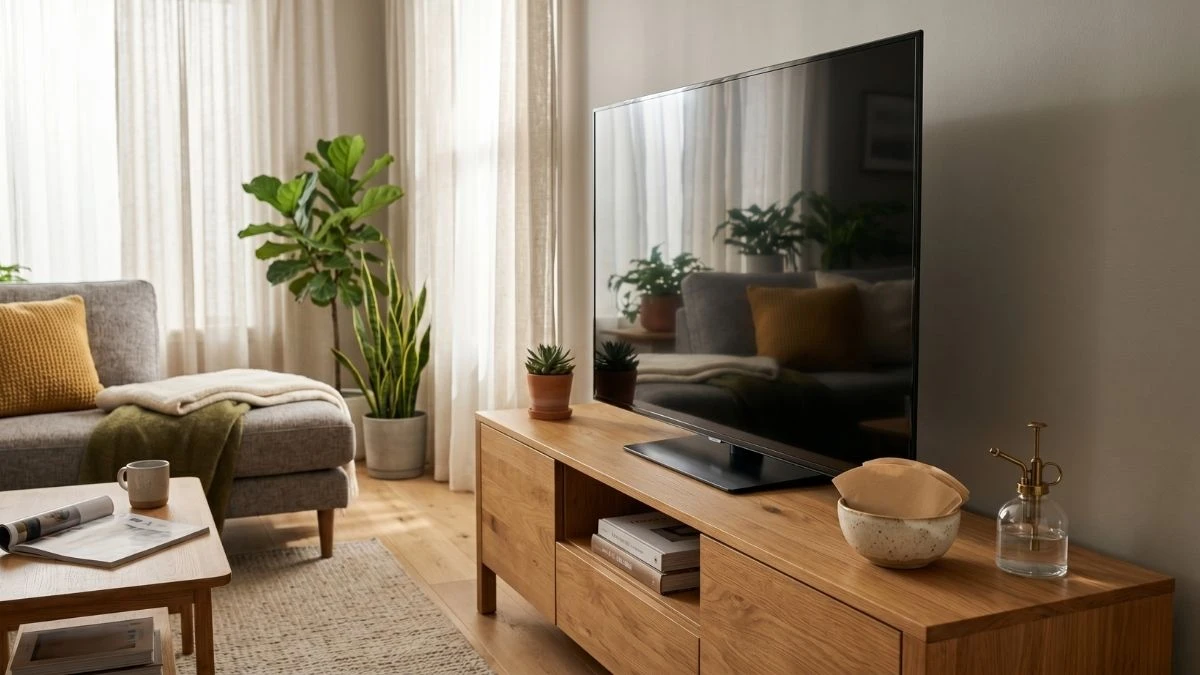
Are you tired of carefully wiping down the living room television only to find it covered in a fresh, annoying layer of dust just a few hours later? High-definition screens are visually stunning when they are perfectly clean, but they often act like giant dust magnets. Every floating particle in the room seems drawn directly to the glass, making movie nights slightly less enjoyable when a hazy film ruins the deep, dark cinematic scenes. If you have been searching for a solution that actually stops this endless cycle, the answer is likely sitting right in your kitchen cupboard.
Welcome to the coffee filter method. This simple, affordable, and highly effective technique has been gaining significant traction in home maintenance circles and tech forums alike. It is not just an old wives’ tale; there is actual, verifiable material science behind why a standard paper coffee filter works better than expensive, branded screen wipes. Let’s dive into exactly why this method is taking over, how to execute it safely without risking damage to expensive electronics, and what real communities are saying about this brilliant little household hack.
Why Do Modern Screens Attract So Much Dust?
To understand how to stop dust, it is important to first understand why it accumulates so quickly. Modern televisions, computer monitors, and even laptops build up a mild electrostatic charge while they are turned on and operating. This charge essentially turns the screen into a subtle vacuum for microscopic debris. Pet dander, fabric fibers, pollen, and everyday household dust are pulled directly toward the display panel.
When standard paper towels or regular cotton rags are used to wipe the screen, they often make the problem significantly worse. The friction from a dry paper towel rubbing against an LCD or OLED panel builds even more static electricity. You might wipe away the visible dust for a moment, but you are simultaneously forming a stronger electrostatic field that will pull new dust particles back onto the screen within minutes. Additionally, typical cleaning cloths leave behind tiny lint fibers, meaning the screen is never truly spotless.
The Science Behind the Coffee Filter Method
This is where the humble coffee filter steps in to solve the problem. At first glance, using a kitchen staple on a thousand-dollar television might sound risky, but it is actually one of the safest and most effective materials you can utilize.
1. 100% Lint-Free Design
Coffee filters are engineered to perform a very specific task: letting hot water pass through while trapping finely ground coffee beans without falling apart or disintegrating. To achieve this durability, the paper is manufactured with tightly woven, long-fiber materials. Unlike paper towels or toilet tissue, which shed tiny fibers everywhere with the slightest friction, coffee filters are virtually lint-free. When you wipe a screen with them, they leave absolutely nothing behind.
2. Gentle on Delicate Anti-Glare Coatings
While paper towels feel soft to the touch, under a microscope, they are quite abrasive. Wiping a television with a paper towel is similar to using ultra-fine sandpaper; over time, it will scratch the delicate anti-glare coating on the display. Coffee filters, on the other hand, have already been processed and refined to be exceptionally smooth. When used gently, they glide right over the surface without leaving micro-scratches or damaging the specialized screen layers.
3. Serious Static Reduction
The real secret to preventing future dust buildup lies in static reduction. The unique, tightly woven texture of a coffee filter acts as an excellent blotting material that catches dust particles without generating excessive friction. By removing the dust and gently neutralizing the static charge on the surface, the screen stays cleaner for much longer. It effectively breaks the endless cycle of static attraction.
[Image Prompt: Close-up of a person’s hand holding a neatly folded white cone coffee filter, gently wiping a sleek black TV monitor. The background features a slightly blurred, aesthetic living room setting with a vibrant green houseplant. Soft natural lighting, highly detailed, photorealistic, no human faces visible, pristine home environment –ar 2:3]
Step-by-Step: How to Safely Clean Your TV with a Coffee Filter
While this method is beautifully simple, modern screens require careful handling. Following the correct procedure ensures a streak-free, flawless finish every single time. Here is the safest way to execute the coffee filter method, perfectly aligned with manufacturer guidelines for electronic care.
Step 1: Power Down and Cool Off
Never clean a television or monitor while it is turned on. Not only does a dark, powered-off screen make it much easier to see dust and smudges, but it also prevents electrical damage. If the television has been running for hours, let it sit for about ten to fifteen minutes to cool down completely. A warm screen can cause any applied moisture to evaporate too quickly, leading to frustrating streaks.
Step 2: The Dry Sweep
Take a fresh, dry coffee filter—the standard basket style or the cone style both work perfectly—and fold it into a small, manageable square. Gently wipe the screen in broad, sweeping motions from left to right, starting at the top and working your way down. Do not apply heavy pressure; let the filter do the actual work. You will notice the dust clinging to the filter rather than simply floating around the room. For many homes, this gentle dry sweep is all that is needed to restore the screen to a pristine state.
Step 3: Tackle Stubborn Smudges
If there are oily fingerprints, pet nose marks, or stubborn smudges, a dry wipe will not be quite enough. Do not reach for harsh chemical cleaners. Instead, lightly dampen a corner of a new coffee filter with distilled water. Distilled water is absolutely crucial because standard tap water contains heavy minerals that can leave white streaks or slowly degrade the screen’s delicate coating over time.
Gently rub the damp filter over the smudged area in small, soft circular motions. Once the smudge is lifted, immediately follow up with a dry section of the filter to buff away any remaining moisture.
What NOT to Do: Common Cleaning Disasters
When maintaining valuable electronics, knowing what to avoid is just as important as knowing what to do. The internet is full of risky advice, so let’s set the record straight based on expert consensus.
- Avoid Glass Cleaners: Never use window cleaners containing ammonia or alcohol on a modern display. These harsh chemicals will rapidly strip away the anti-reflective coating, leaving permanent cloudy spots on the screen that cannot be repaired.
- Skip the Dish Soap: While mild dish soap is great for kitchen grease, it is totally unnecessary for televisions and can leave a thin, difficult-to-remove film that actually attracts more dust over time.
- Do Not Spray Directly: Never spray water or any liquid directly onto the television. Liquid can easily drip down the front of the panel and seep into the bottom bezel, causing irreversible short circuits in the internal hardware. Always dampen the filter, never the screen itself.
- Ditch the Old T-Shirts: Repurposing old cotton shirts as cleaning rags is great for the garage, but terrible for screens. T-shirts often hold trapped laundry detergent residue, fabric softeners, or microscopic dirt particles that will smear or scratch the display.
Real Experiences from the Community
The best life hacks are the ones vetted by everyday people through trial and error. Across various online communities, the coffee filter trick has been highly praised for years. In the highly active r/DIY and r/CleaningTips communities on Reddit, tech enthusiasts and meticulous homeowners frequently share their success stories.
One long-time user in an electronics maintenance thread noted, “Since the fibers in coffee filters are so fine and heavily processed, there are no sharp edges left. I started using them years ago to clean off old thermal paste from delicate computer processors without scratching the silicon. Moving to TV screens was a natural next step, and the results are flawless.”
Another home organizer mentioned in a recent discussion that switching from expensive branded screen wipes to a three-dollar pack of two hundred coffee filters not only saved money but provided a far superior clean. “Commercial wipes dry out in the container and often leave a chemical residue. A dry coffee filter brings nothing to the surface and only takes the dust away. It is low-tech, but it outperforms everything else on the market.”
How Often Should You Clean Your Screen?
Thanks to the static-reducing properties of the coffee filter, you will likely find yourself cleaning the television far less often. For an average household, a quick dry sweep once a week or once every two weeks is more than sufficient to keep the screen looking brand new. If the television is located in a high-traffic area, near a kitchen where cooking oils become airborne, or in a home with multiple pets, you might need to perform the damp-filter method slightly more frequently to handle smudges.
Beyond the TV: Other Brilliant Uses for Coffee Filters
Once you see how well this method works on the television, you will quickly realize that coffee filters are one of the most versatile tools you can keep in your home.
- Laptops and Tablets: The exact same static-reducing properties work perfectly on dusty laptop screens and sticky tablet displays. Just remember to use a gentle touch and ensure the device is completely powered off.
- Eyewear and Camera Lenses: Professional photographers have quietly used similar lint-free paper techniques for decades in their studios. A coffee filter can clear smudges from reading glasses or expensive camera lenses without leaving annoying fuzz behind.
- Stainless Steel Appliances: If you want a streak-free shine on the refrigerator or dishwasher, buffing the surface with a coffee filter after your initial cleaning leaves a brilliant, mirror-like finish.
- Glassware: Need to polish fine wine glasses before dinner guests arrive? Wiping them down with a clean coffee filter ensures there is no lint or water spots remaining.
A Clearer View Ahead
Maintaining a spotless, dust-free home does not require complex solutions, harsh chemicals, or expensive specialty products. Sometimes, the most efficient methods are built from everyday items we already have sitting in the pantry. By adopting the coffee filter method, you can effectively stop the frustrating cycle of dust buildup, protect the longevity of your delicate electronic screens, and enjoy your favorite movies in absolutely perfect clarity.
Next time you are in the kitchen preparing a fresh pot, grab an extra filter and give your television a quick wipe. The streak-free, dust-resistant results will speak for themselves, proving once again that practical, affordable wisdom always stands the test of time.