

5 Steps to Perfectly Centered Yolks Using the Upside-Down Egg Carton Hack
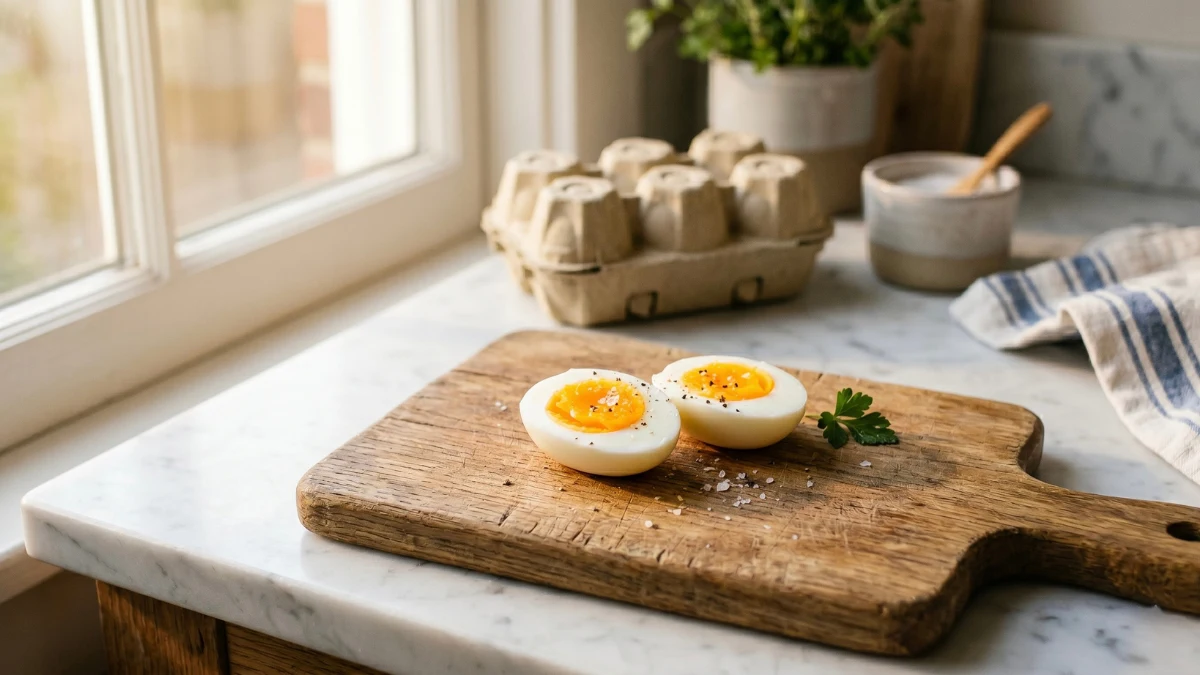
Nothing disrupts the visual appeal of a beautifully prepared appetizer platter quite like an off-center yolk. Whether you are prepping for a family gathering, styling food for a digital publication, or simply aiming for that flawless presentation, getting the yolks to sit perfectly in the middle of the whites can feel like an impossible puzzle. When the yolk drifts to the side, it not only looks uneven, but it also leaves a paper-thin layer of egg white on one edge that almost inevitably tears when you try to fill it.
But grab a fresh cup of coffee and relax, because the solution is surprisingly simple, deeply rooted in basic physics, and requires absolutely zero special tools. The upside-down egg carton hack is highly popular in culinary circles right now, offering a reliable way to achieve pristine results every single time. By understanding how the anatomy of an egg works and applying this straightforward method, you can design food presentations that look like they came straight from a professional kitchen. This guide will walk you through the precise steps, the science behind the technique, and some brilliant advice from real culinary communities to ensure your next batch of hard-boiled eggs is completely flawless.
The Anatomy of an Egg and Why Yolks Drift
To fully appreciate why this trick is so effective, it helps to understand what is happening inside the shell while the egg rests inside your refrigerator. Inside every raw egg, the yolk is suspended within the egg white (albumen) by two twisted, rope-like strands of protein called chalazae. These strands act as anchors, intended to keep the yolk safely positioned in the center.
However, as eggs sit over time—days or even weeks—these protein strands begin to weaken and lose their elasticity. At the same time, the yolk, which contains a high amount of fat, is naturally less dense than the water-heavy egg white. Because of this difference in density, the yolk naturally wants to float upwards.
Since eggs are typically packaged and stored with their wider end facing up (where the air pocket resides), the yolk steadily drifts upward towards that wide end. If you take an egg straight from the fridge after it has been sitting in this position for a week and immediately drop it into boiling water, the yolk will cook exactly where it settled: resting near the very edge of the shell. This results in the dreaded lopsided boiled egg. The goal, then, is to intervene and encourage the yolk to migrate back to the center just before the cooking process begins.
What is the Upside-Down Egg Carton Technique?
The upside-down egg carton technique is a brilliantly simple intervention that uses gravity to your advantage. By simply flipping the carton over, you are reversing the direction of the yolk’s upward drift. Since the yolk always wants to float to the highest point, turning the egg upside down forces the yolk to travel from the wide end back towards the narrow end.
If you time this process correctly, the yolk will be suspended precisely in the middle of the egg white right at the moment you begin to boil the water. This technique requires no special kitchen gadgets, no complicated chemical additions to your boiling water, and no extra cost. It is a pure, practical application of science that yields consistent, highly reliable results.
5 Steps to Execute the Upside-Down Hack
To achieve the best possible outcome, follow this curated list of steps. This method combines the upside-down carton technique with proven cooking practices for easy peeling and flawless presentation.
1. Prepare the Carton the Night Before Timing is the most critical element of this method. Between 12 to 24 hours before you plan to cook your eggs, locate the carton in your refrigerator. Securely close the lid (you might want to place a rubber band around the carton just to be safe) and gently flip the entire carton upside down. Leave it resting in this inverted position overnight. This provides the yolks with ample time to slowly travel through the albumen and settle right in the middle of the shell.
2. Bring Your Water to a Vigorous Boil First A common mistake in the kitchen is placing eggs into cold water and bringing everything to a boil together. This slow temperature change causes the egg proteins to strongly adhere to the inner membrane of the shell, making peeling a nightmare. Instead, bring a large pot of water to a vigorous, rolling boil before the eggs ever touch the water. The sudden blast of heat helps to rapidly set the outermost layer of the egg white, preventing it from fusing with the shell membrane.
3. Gently Lower the Eggs and Stir Once your water is boiling rapidly, remove your eggs from the fridge. Carefully lower each egg into the water using a slotted spoon or a wire skimmer to prevent cracking. To add an extra layer of insurance for centered yolks, use your spoon to gently stir the water in a circular, clockwise motion for the first two minutes of cooking. The gentle centrifugal force generated by the spinning water helps to physically guide the yolk into the exact center of the white while it begins to set. Let the eggs boil for your desired time (typically 10 to 12 minutes for a firm, fully cooked yolk ideal for mashing).
4. Prepare an Ice Bath Immediately While the eggs are bubbling away, prepare a large bowl filled with cold water and a generous amount of ice cubes. The moment your timer goes off, swiftly transfer the hot eggs directly from the boiling water into the ice bath. This process, known as shocking, immediately halts the cooking process, preventing the dreaded green sulfur ring from forming around the yolk. It also causes the egg white to shrink slightly, pulling away from the inner shell membrane, which is a crucial step for effortless peeling. Let them sit in the ice water for at least 10 minutes until they are completely cold to the touch.
5. Peel with Care Under Running Water When you are ready to reveal your perfectly centered yolks, start by tapping the egg gently on the counter to crack the shell all over. The easiest way to peel is to hold the egg under a gentle stream of cold running water, or peel it directly while submerged in the ice bath. The water naturally seeps beneath the shell, lubricating the membrane and allowing the shell to slide off in large, satisfying pieces.
Real Community Experiences: Advice from the Kitchen Professionals
When it comes to mass-producing flawless hard-boiled eggs, the true experts are the chefs and line cooks who prepare them by the hundreds. In the highly active culinary community on Reddit, specifically within the r/KitchenConfidential subreddit, industry professionals frequently share their battle-tested techniques for catering events.
One user, discussing the monumental task of preparing over 60 dozen eggs for a holiday gathering, emphasized a brilliant technique for maximizing the efficiency of the ice bath. They suggest cracking both ends of the egg slightly as soon as they come out of the boiling water, just before plunging them into the ice bath. This allows the icy water to rush inside the shell immediately, getting directly between the egg white and the membrane. The community strongly advocates for older eggs over farm-fresh ones; older eggs have a higher, more alkaline pH level, which naturally causes the egg white to adhere less to the shell. This insight is highly valuable for anyone looking to avoid the frustration of torn, pitted egg whites.
Furthermore, culinary resources like Tasting Table confirm that patience is key. Letting your store-bought eggs hang out in the refrigerator for at least a week before boiling dramatically improves your chances of a clean peel.
Troubleshooting Common Egg Boiling Challenges
Even with the best techniques, minor issues can occasionally arise. Here is how to navigate them effectively:
- The Yolk is Still Slightly Off-Center: If you flipped the carton but the yolk is still not perfectly centered, you may not have allowed enough time for the yolk to migrate. Ensure you are giving the eggs at least 12 full hours in the inverted position. Alternatively, if the eggs are exceptionally old, the chalazae might be completely broken down, making the yolk’s movement entirely unpredictable.
- The Shells Are Stubborn and Tearing the Whites: If you are dealing with very fresh eggs, you can slightly alter the chemistry of your boiling water to assist with peeling. Adding a half teaspoon of baking soda to the boiling water raises the alkalinity, which helps loosen the bond between the egg white and the shell membrane. However, be cautious, as too much baking soda can impart a faint sulfurous taste to the final product.
- The Yolks Have a Greyish-Green Ring: This harmless but visually unappealing ring is the result of a reaction between sulfur in the egg white and iron in the yolk, which occurs when the egg is cooked for too long or at too high a temperature. To prevent this, strictly monitor your cooking time and never skip the ice bath. Rapidly cooling the eggs stops the heat from driving the sulfur inwards toward the yolk.
Elevating Your Presentation
Once you have mastered the art of boiling and peeling with this technique, you have a blank canvas ready for culinary brilliance. A perfectly centered yolk means your egg white halves will be uniform, sturdy, and entirely capable of holding generous amounts of filling without breaking.
When mashing your yolks, consider using a fine-mesh sieve rather than a standard fork. Pushing the yolks through a sieve develops an incredibly light, airy texture that blends seamlessly with your mayonnaise, mustard, and seasonings. You can pipe the smooth filling back into the firm, even egg whites using a star tip for a bakery-quality, polished finish.
In the end, achieving the ideal hard-boiled egg is not about luck; it is about combining simple physics with smart preparation. By turning that carton upside down the night before, managing your water temperature, and applying the wisdom of seasoned kitchen professionals, you will easily craft stunning, delicious dishes that look as absolutely flawless as they taste.