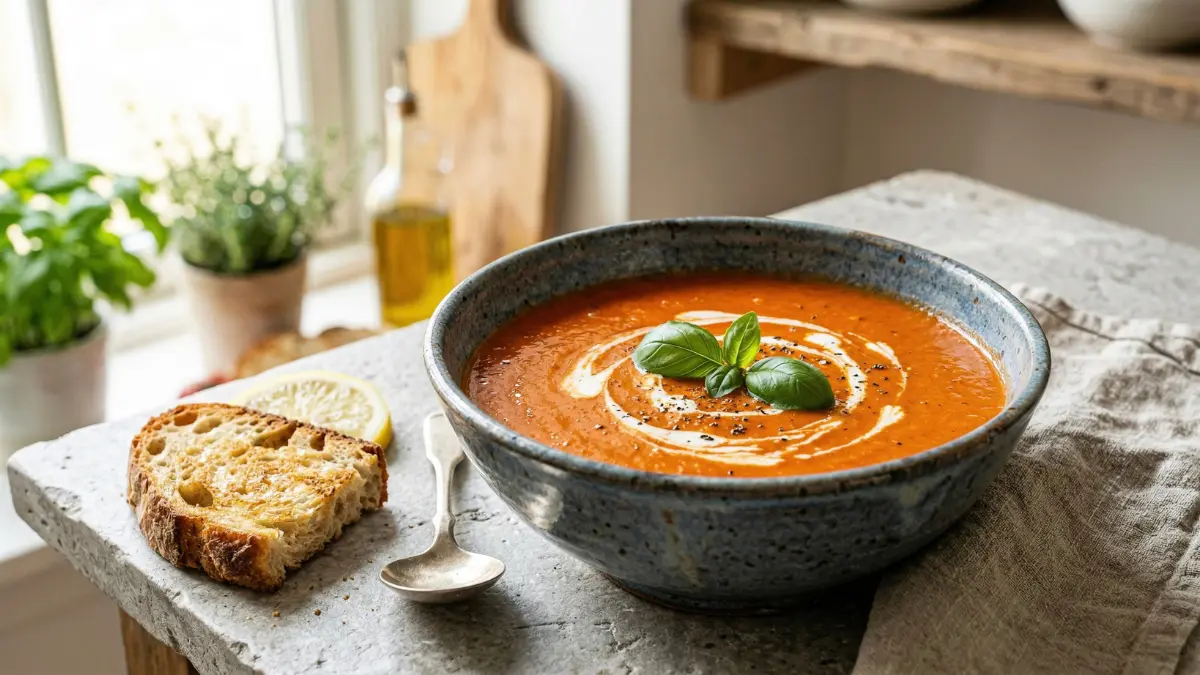
We have all experienced this exact moment in the kitchen. You are standing over a beautifully simmering pot of soup on the stove. The aroma is filling the entire house, the vegetables are perfectly tender, and you go in for that final, highly anticipated taste test. Suddenly, panic sets in. It is far, far too salty. Perhaps the lid of the salt shaker slipped, or maybe the store-bought broth was heavily seasoned right out of the carton. Whatever the reason, your lovingly prepared dinner suddenly feels completely ruined.
If you jump online to search for quick fixes, the most common piece of advice you will undoubtedly find is to toss a raw, peeled potato right into the pot. Let it simmer for thirty minutes, the articles say, and the potato will act just like a kitchen sponge, soaking up all that excess sodium and saving your meal.
But does this old wives’ tale actually work in reality? If you are sipping your coffee and stressing over a salty pot of stew right now, take a deep breath and relax. We are going to explore the actual science behind this popular kitchen rumor. More importantly, we will share five foolproof, chef-approved methods to save your meal, adhering strictly to modern culinary science and real community experiences.
The Age-Old Question: Does a Raw Potato Actually Fix Salty Soup?
The theory behind the potato trick is incredibly widespread and sounds entirely logical at first glance: the potato is full of starch and water, so it must absorb liquid as it cooks. Therefore, it should absorb the salt, right?
The reality is a bit more complicated. Yes, potatoes absolutely absorb liquid when submerged in a hot broth. However, they do not possess the ability to selectively absorb sodium ions. They take in the salty broth exactly as it is. Imagine dipping a dry sponge into a bowl of very salty water. The sponge will certainly absorb the water, but the water remaining in the bowl is just as salty as it was before you started.
Over on active culinary communities like r/AskCulinary, home cooks and professional chefs frequently debate this exact topic. The overwhelming consensus from real-world testing is clear: the potato trick is an absolute myth. Users frequently point out that while the potato will absorb the salty liquid via osmosis, the ratio of sodium to liquid in the rest of the pot remains entirely unchanged. Recent culinary insights, including deep dives by publications like Tasting Table, have firmly debunked this method, noting that it has no basis in food physics. If anything, you will just end up with a smaller volume of soup and one very salty boiled potato.
Furthermore, relying on this method can actually harm the overall quality of your dish. As the potato simmers, its cell walls begin to break down, releasing heavy starch directly into your broth. If you are preparing a clear, delicate consommé or a light chicken noodle soup, that extra starch will leave the liquid cloudy, thick, and texturally unappealing.
So, while potatoes are wonderful ingredients, they cannot defy the laws of chemistry. It is time to retire this well-meaning trick and look at strategies that genuinely solve the problem.
5 Proven, Science-Backed Ways to Rescue Over-Salted Soup
If the potato is out, what is in? Here are five reliable, thoroughly tested methods that can actually salvage your dinner, completely free of kitchen myths.
1. Dilute with Unsalted Broth or Dairy
The most straightforward and highly effective way to fix an overly salty soup is to dilute it. Since salt concentration is entirely about the ratio of sodium to liquid, adding more unsalted liquid will immediately lower the overall saltiness of the dish.
If you are making a broth-based soup, simply pour in some plain water or an unsalted, homemade bone broth. Be careful not to add too much at once; stir in a quarter cup (about 60 milliliters) at a time, tasting carefully after each addition. If you use water, keep in mind that you are also diluting the other complex flavors, so you might need to add a few more fresh herbs, garlic, or black pepper to compensate for the loss of depth.
For creamy or blended soups, dairy is your best friend. A splash of heavy cream, a dollop of unsalted butter, or a spoonful of plain yogurt can work absolute wonders. Dairy contains essential fats that naturally coat the tongue, which physically blocks some of the salt receptors in your mouth, effectively dulling the sharp perception of saltiness.
2. Bulk It Up: Increase the Volume of Ingredients
Remember how we established that the whole potato trick was a myth? Well, there is actually one specific way potatoes can help, and it is by bulking up the meal. The core problem with your soup is that the ratio of salt to food is unbalanced. You cannot easily remove the salt, but you can certainly add more food!
Toss in handfuls of unsalted ingredients that will absorb the broth and add substantial volume to the pot. Cooked rice, pasta, quinoa, or unsalted canned beans are excellent choices. As these carbohydrates expand, they soak up the flavorful, salty broth, making every bite hearty and satisfying while dispersing the sodium across a much larger volume of food.
If your recipe allows for it, chop up extra vegetables—carrots, celery, bell peppers, and yes, even freshly diced potatoes—and let them simmer until tender. By increasing the overall mass of the meal, you effectively hide the seasoning mistake, resulting in a perfectly balanced stew.
3. Balance the Flavor Profile with Acid
Sometimes, you cannot add more liquid or heavy ingredients without completely ruining the intended texture of your dish. When dilution is simply not an option, you have to turn to a bit of brilliant culinary science. You can distract your taste buds by adding a competing flavor, and acid is the absolute best candidate for this job.
A fresh squeeze of lemon juice or a splash of apple cider vinegar can instantly brighten a heavy, overwhelmingly salty broth. The sharp, tangy notes of the acid compete directly with the sodium for your tongue’s attention, masking the aggressive saltiness. This is a highly effective technique widely used in professional kitchens around the world. In Reddit cooking forums, experienced users frequently share success stories of saving a ruined chili or a heavy beef stew simply by stirring in a tablespoon of apple cider vinegar or fresh lemon juice just before serving. The sodium is technically still there, but your palate will barely notice it because the flavor profile is suddenly complex, bright, and perfectly balanced.
4. Introduce a Pinch of Sweetness
Just like acid, sugar can play a vital role in neutralizing harsh flavors. While adding sweetness to a savory, umami-rich soup might sound a bit strange at first, a small amount can beautifully round out the sharp, biting edges of the sodium without turning your dinner into a dessert.
The absolute key here is moderation. Start with just a half teaspoon of granulated sugar, a tiny drizzle of raw honey, or a splash of real maple syrup, depending entirely on the existing flavor profile of your dish. Stir it well and let it simmer for a full minute before tasting. Honey works beautifully in spicy, rich tomato-based stews, while a pinch of brown sugar can heavily elevate a dark, meaty chili. The sweetness acts as a necessary counterweight on the flavor scale, restoring perfect harmony to the pot.
5. The Ultimate Fix: Prepare a Second, Unsalted Batch
If the soup is so aggressively salty that a splash of vinegar or a cup of water will not make a single dent, do not throw it away just yet. The most reliable, foolproof method to rescue a completely oversalted dish is to prepare a second, entirely unsalted batch of the exact same recipe.
Once your second, intentionally flavorless batch is ready, simply mix the two pots together. The unsalted soup will perfectly dilute the original, resulting in a massive, bountiful pot of perfectly seasoned food. This method admittedly requires a bit more effort and extra ingredients, but it ensures that the integrity, flavor depth, and texture of your recipe remain completely intact. Plus, as an added bonus, you will have plenty of leftovers to portion out and freeze for busy, demanding weeknights!
Prevention: How to Avoid the Salt Trap in the First Place
Of course, the absolute best way to handle overly salty soup is to prevent it from happening in the first place. Here are a few essential, expert habits to adopt in your daily kitchen routine.
First, always taste your food constantly as you go. Never wait until the very end of the cooking process to check the seasoning. Ingredients change drastically as they cook, and flavors develop and deepen over time.
Second, be heavily mindful of reduction. When a soup or stew simmers uncovered on the stove for hours, water evaporates, leaving all the dense sodium behind. A broth that tastes perfectly seasoned at four o’clock in the afternoon might taste like sea water by six o’clock. Always season very lightly at the beginning of the cooking process and make your final, careful adjustments just before serving.
Finally, keep a watchful eye on hidden sources of sodium. Store-bought chicken or beef stocks can be incredibly salty. Canned beans, diced tomatoes, and powerful condiments like soy sauce or Worcestershire sauce all contribute heavily to the final salt levels. If you are incorporating these ingredients, hold back on adding any extra table salt until the dish is nearly finished.
By understanding the true science behind how flavors work and leaving old myths behind, you can easily save your dinners and continue to serve up absolutely delicious, perfectly balanced meals every single time.