

Stop Buying Pre-Cut Veggies: The 10-Minute Sunday Prep Routine That Actually Works
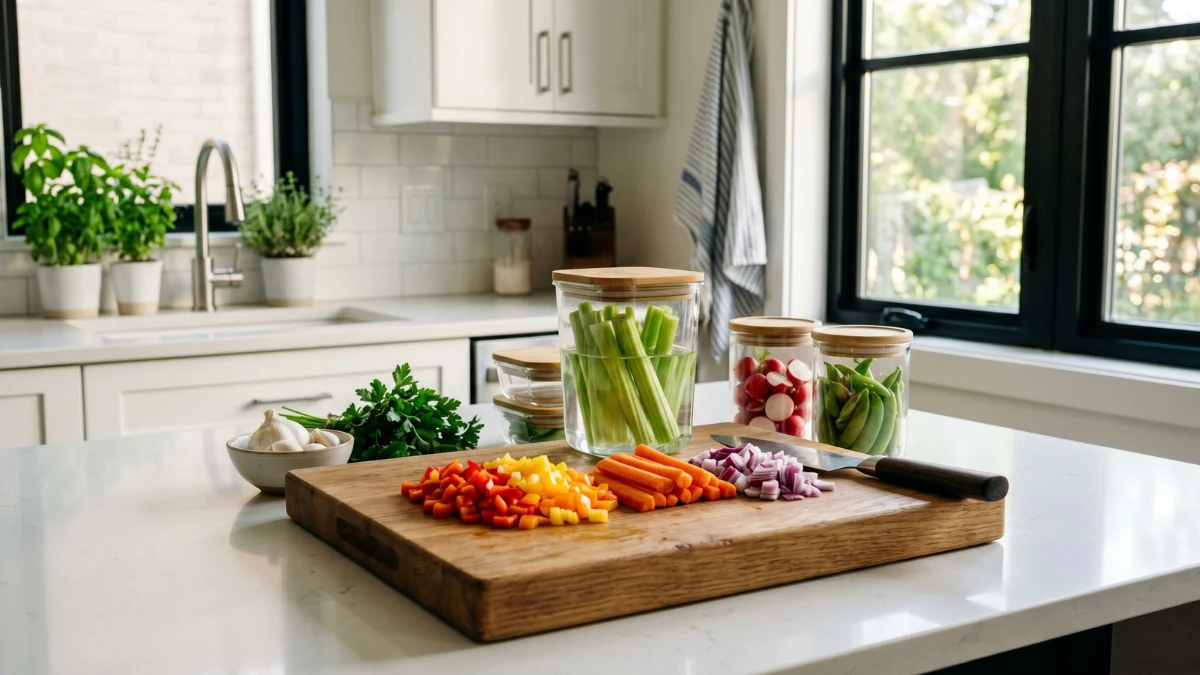
We have all been there. You are rushing through the grocery store aisles after a long day, and that six-dollar plastic tub of perfectly diced onions looks incredibly tempting. You toss it in the cart, thinking you just bought yourself back twenty minutes of your evening. But fast forward to Tuesday, and those same onions are sitting in a pool of mysterious, cloudy liquid at the back of the fridge.
Grab your coffee, pull up a chair, and let us have a real conversation about how we manage our kitchens. The truth is, the convenience of pre-cut vegetables is an illusion that drains our grocery budgets and fills our trash cans with unnecessary plastic. In 2026, with the cost of groceries feeling higher than ever, paying a premium for someone else to chop your bell peppers simply does not make sense anymore.
But here is the good news: you do not need to spend your entire Sunday afternoon standing over a cutting board to have a smooth week of cooking. By building a strategic, 10-minute Sunday prep routine, you can set yourself up for culinary success without sacrificing your precious weekend.
The True Cost of the Pre-Cut Veggie Habit
Let us look at what we are actually paying for when we buy those convenient little tubs.
First, there is the literal price tag. Market data from the grocery sector shows that pre-cut vegetables often carry a markup of anywhere from 20% to 50% compared to their whole counterparts. When you are buying pre-cut fajita mixes, diced onions, and matchstick carrots every week, that premium adds up to hundreds of dollars over the course of a year. You are essentially paying a massive hourly wage to a processing plant for a task that takes minutes at home.
Then, there is the quality issue. The moment a blade slices through a vegetable, its cellular structure is damaged, and the oxidation process begins. This means pre-cut vegetables lose their vitamins and crispness at an accelerated rate. If you have ever noticed that store-bought diced tomatoes taste watered down or that pre-shredded cabbage feels unpleasantly dry, oxidation is the culprit. Freshness is compromised the second that plastic seal is applied at the factory.
Furthermore, we cannot ignore the recent food safety conversations. The more processing a food item undergoes before it reaches your plate, the higher the risk of cross-contamination. While the industry has strict standards, navigating recall announcements about pre-packaged salads and chopped vegetables has become entirely too common. By washing and chopping your own produce at home, you maintain complete control over the cleanliness of your ingredients, safeguarding your family’s health.
Lessons from the Meal Prep Community
If you spend any time browsing community forums like r/MealPrepSunday on Reddit, you will quickly notice a recurring theme among veteran home cooks: fully preparing every single meal on Sunday often leads to burnout and food waste.
One user recently shared a highly relatable experience regarding the trap of over-preparation:
“Thought pre-chopping everything would save time. It didn’t. Turns out all I did was give myself 6 containers to clean and stuff that went slimy in like two days… having everything done ahead just made the cooking part feel weirdly flat and mechanical. So, now I just chop as I go again.”
Another user pointed out a brilliant mindset shift: they simply trade ten minutes of scrolling on their phone for ten minutes of chopping. That small adjustment changes everything. It is about “ingredient prep,” not necessarily full meal prep.
The goal is not to eliminate weeknight chopping entirely. The goal is to remove the friction that prevents you from cooking in the first place. You want to prepare the foundational ingredients so that tossing a quick dinner together feels effortless, while still leaving room to enjoy the rhythm of active cooking.
The Tool That Changes Everything: A Sharp Knife
Before diving into the actual prep routine, we must address the most common reason people hate chopping vegetables: dull knives. If you are struggling to saw through a tomato or if dicing a sweet potato feels like an upper-body workout, your knife is the problem, not the vegetable.
A sharp, well-maintained chef’s knife transforms prep work from a dangerous, frustrating chore into a smooth, satisfying experience. You do not need an expensive fifteen-piece knife block. You only need one high-quality, eight-inch chef’s knife and a honing steel to keep the edge aligned. When your blade glides effortlessly through a bell pepper, that ten-minute prep routine actually takes ten minutes. Combine a sharp knife with a stable, heavy cutting board—place a damp paper towel underneath to prevent slipping—and you have instantly elevated your kitchen efficiency.
The 10-Minute Sunday Prep Routine
So, how do we build a routine that actually works? We focus strictly on the high-friction items. We are not making full meals; we are synthesizing a launchpad for the week.
Here is exactly how to execute a highly efficient 10-minute prep session.
Minute 1-2: Station Setup and The “One Board” Rule
Efficiency in the kitchen starts with your setup. Pull out your largest cutting board, your sharpest chef’s knife, and a large “garbage bowl” for scraps. Do not use five different bowls and boards. As the cooking community wisely advises, using one knife and one cutting board means you only have to wash them once. Gather the vegetables that take the most effort to prepare: usually onions, garlic, butternut squash, or sturdy root vegetables.
Minute 3-6: Tackle the Tear-Jerkers
Onions and garlic are the foundation of almost every savory dish, but they are also the most annoying to prepare on a busy Tuesday night. Spend these four minutes dicing two large onions and mincing a bulb of garlic.
Pro Tip: Store diced onions in an airtight glass container. If you hate the smell lingering in your fridge, press a folded paper towel onto the surface of the onions before sealing the lid. It absorbs the excess moisture that causes them to spoil and emit strong odors.
Minute 7-9: The Sturdy Snackers
Next, move on to vegetables that hold their texture well after being cut. Celery, carrots, and bell peppers are excellent candidates. Slice them into sticks for easy snacking or dice them for soups and stir-fries.
Do not chop delicate vegetables like zucchini, tomatoes, or cucumbers during your Sunday prep. Their high water content means they will turn mushy within 48 hours. Leave those whole until the exact moment you need them.
Minute 10: Smart Storage and Cleanup
How you store your freshly cut vegetables determines how long they will last. This is where many people fail, leading to the dreaded “slimy vegetable” scenario.
- Carrots and Celery: Submerge carrot sticks and celery sticks in a container of fresh water. They will stay incredibly crisp for up to a week. Just remember to change the water every couple of days.
- Bell Peppers: Place a dry paper towel at the bottom of the container to absorb moisture.
- Broccoli and Cauliflower: Store florets in a container with a slightly damp paper towel draped over them to maintain humidity without causing rot.
Finally, toss your scraps into the compost or trash, quickly wash your one knife and one board, and you are finished. Ten minutes, zero stress.
The Freezer is Your Secret Weapon
Sometimes, even with the best intentions, plans change. You prep a beautiful container of diced vegetables, but then you end up working late or getting invited out for dinner.
Instead of letting those vegetables slowly degrade in the crisper drawer, utilize your freezer. As community members frequently suggest, almost any sturdy vegetable can be frozen for later use.
If you know you will not use those diced onions in time, simply lay them flat in a freezer-safe bag, press out the air, and toss them in the freezer. They will not retain their crunch for a raw salad, but they are absolutely perfect for tossing directly into a hot pan for soups, stews, or chili. Carrots and celery can also be frozen beautifully, giving you an instant mirepoix base for future meals. Having a stash of pre-chopped, frozen aromatics ready to go means you never have an excuse not to cook a wholesome dinner.
Embracing the Process
There is a profound satisfaction in taking control of your ingredients. When you stop relying on commercially processed shortcuts, you start engaging more deeply with the food you eat.
Yes, chopping takes a little bit of effort. But as one home cook brilliantly put it, if you are willing to learn a few basic knife skills from online tutorials, the process becomes incredibly fast and satisfying. It is not a chore; it is an opportunity to disconnect from screens, focus on a single task, and do something tangible with your hands.
By dedicating just ten minutes of your Sunday to strategic ingredient prep, you build a foundation of healthy eating for the entire week. You save money, reduce your plastic footprint, and ensure your meals are as fresh and nutritious as possible.
So next time you are at the grocery store, walk right past those overpriced plastic tubs of wilting bell peppers. Head straight for the fresh produce section, pick up whole, beautiful vegetables, and know that you have a simple, efficient system waiting for you at home. Your wallet, your palate, and your future self will thank you.