

The Ketchup Polish Hack for Tarnished Copper Bottom Pans: Does It Really Work?
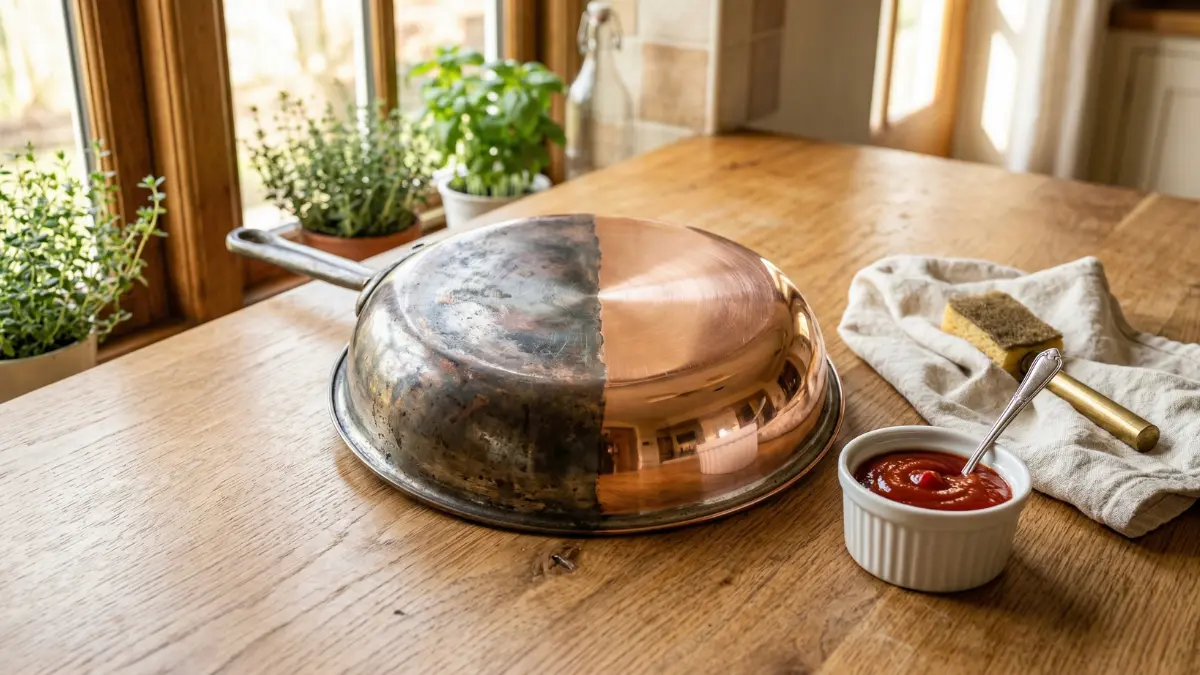
Welcome to the ultimate deep dive into one of the internet’s favorite pantry-cleaning tricks. If you have ever looked at the bottom of your favorite copper-bottomed cookware and sighed at the dark, dull discoloration, you are not alone. Copper is stunning, conducting heat beautifully to give you perfectly seared meals and adding a touch of rustic elegance to any kitchen. However, maintaining that gorgeous glow can feel like an endless chore. Enter the famous ketchup polish hack.
You have probably heard the whispers across social media and kitchen forums: slathering ordinary tomato ketchup onto dull copper can bring back its warmth and brightness. But is it just an internet myth, or is there solid science backing it up? And more importantly, how does it compare to commercial chemical cleaners?
Before diving in, let us clear up a common misconception right away: copper does not actually “rust.” Rust is a specific reaction isolated to iron and steel. What happens to copper is oxidation, forming a layer of tarnish—specifically copper sulfide and copper carbonate—when the metal is exposed to air, high heat, and food components over time. So, when dealing with “rusty” looking copper bottoms, we are actually fighting a thick patina of tarnish. Grab a cup of coffee, settle in, and let us explore how to safely and effectively use this condiment to restore your cookware.
The Science: Why Ketchup Cleans Copper
It sounds bizarre to clean high-end cookware with a hot dog condiment, but the mechanism is purely scientific. Ketchup contains two powerhouse ingredients for cutting through tarnish: tomatoes and vinegar. Both of these components are rich in mild acids—specifically citric acid from the tomatoes and acetic acid from the distilled vinegar.
Typical white vinegar has a pH level around 2.5, which is highly acidic and very watery. Ketchup generally sits at a pH of 3.8 to 4.0. This makes it slightly gentler than pure vinegar. When you apply ketchup to a tarnished copper bottom, these acids get to work on the copper oxide layer. The acid breaks down the copper salts that form the dark, dull patina, dissolving them safely without eating into the actual metal underneath.
Because the acid level in ketchup is relatively low and suspended in a thick, sticky tomato base, it stays exactly where you put it. This viscosity is the absolute secret weapon. If you were to pour straight liquid vinegar over the bottom of an inverted pan, it would simply run off the sides and disappear down the sink drain. Ketchup clings to the curves, ridges, and edges, allowing the natural acids enough prolonged contact time to do their job effectively.
Furthermore, ketchup contains salt. While the dissolved salt in the condiment is minimal, sodium chloride acts as a chemical catalyst when combined with acetic acid, drastically speeding up the tarnish-removal process. It is a brilliant, non-toxic chemical reaction happening right on your kitchen counter, requiring no harsh fumes, protective gloves, or expensive specialized pastes.
Step-by-Step: How to Execute the Ketchup Hack
Ready to transform your cookware? Executing this method correctly makes all the difference between a frustrating, splotchy mess and a beautifully restored pan.
Step 1: Prep the Surface
Never apply ketchup to a greasy or oily pan. The natural acids cannot penetrate layers of cooking oil or polymerized grease. Wash the copper bottom thoroughly with standard dish soap, warm water, and a sponge to remove any food residue. Dry it completely before moving to the next step.
Step 2: The Application
Generosity is key here. Squeeze a thick, opaque layer of ketchup directly onto the copper base. Do not just apply a polite drizzle; aim for full, heavy coverage like you are frosting a cake.
- Pro Tip: If the layer is too thin, it will dry out too fast. If it is patchy, the end result will be uneven, leaving you with a strange tie-dye effect on your cookware.
Step 3: The Waiting Game
This is where opinions differ, but recent kitchen tests and community feedback provide a clear consensus.
- Light Tarnish: For very light, recent tarnish, leaving the ketchup on for 10 to 15 minutes is sufficient.
- Heavy Tarnish: For heavily oxidized pans that have been neglected for years, patience is required. Letting the pan sit for anywhere from one to three hours yields significantly better results. Some adventurous home cooks even leave it overnight. The thick paste prevents it from drying out entirely, giving the acids maximum time to work through the dense layers of copper sulfide.
Step 4: The Salt Upgrade (Optional but Recommended)
If the tarnish is particularly stubborn or you want to speed up a short resting time, you can supercharge the process. Sprinkle a generous pinch of fine sea salt over the ketchup layer. Take a soft, 100% cotton cloth and gently rub the mixture in small, overlapping circles. The fine salt acts as a very mild abrasive, physically lifting the loosened tarnish without gouging the metal. Always avoid microfiber, which can snag, and never use abrasive metal scouring pads, which will heavily scratch the soft copper.
Step 5: Rinse and Dry
Once the time is up, rinse the pan under warm running water, using a soft sponge to gently wipe away the remaining ketchup and dissolved tarnish. Dry it immediately and thoroughly with a clean towel to prevent hard water spots from forming.
Real Talk: What the Reddit Cooking Community Says
When it comes to authentic, unfiltered advice, the Reddit cooking and cookware communities are absolute goldmines. Searching through dedicated hubs like r/Coppercookware reveals exactly what everyday users experience when they ditch the commercial chemicals for pantry staples.
In a highly discussed thread comparing different tarnish removal methods side-by-side, user morrisdayandthethyme noted that ketchup “works decently to take off short-term tarnish” but warned that on stubborn, dark spots from years of storage, it might not be strong enough on its own. They also highlighted a crucial detail that is often left out of viral videos: ketchup will leave the copper looking clean, light, and warm, but it will not leave a glossy, mirror-like finish.
Another prominent discussion in the community highlighted the “copper batter” method as an alternative for those wanting slightly more power. This involves synthesizing a paste out of white vinegar, salt, and just enough all-purpose flour to give it the consistency of thick fry batter. Community members praised this mixture because, much like ketchup, the flour keeps the acidic vinegar stuck to the pan, but the higher concentration of acid and salt provides a stronger punch.
The general consensus across these platforms is clear: ketchup is an excellent, low-effort, low-risk maintenance tool for home cooks. As user itsagrapefruit reassuringly pointed out to a worried cook who accidentally left the condiment on for hours:
“Ketchup can’t fully ruin a pan. The finish is just inconsistent.”
Copper is incredibly resilient, and short of taking a hammer to it, a gentle acidic condiment is not going to cause any structural damage to your favorite pots.
Ketchup vs. Commercial Cleaners: Which is Better?
To make the best choice for your kitchen routine, it helps to see how the pantry hack stacks up against commercial heavyweights like Barkeeper’s Friend or Wright’s Copper Cream.
| Feature | The Ketchup Hack | Commercial Polish (e.g., Wright’s) | Abrasive Cleaners (e.g., BKF) |
|---|---|---|---|
| Cost | Pennies per application | Moderate | Low to Moderate |
| Toxicity | 100% Food safe, non-toxic | Contains chemicals, requires washing | Contains oxalic acid, requires heavy rinsing |
| Finish Left Behind | Matte, warm, natural | Mirror-like, high-gloss shine | Matte, slightly scratched if rubbed too hard |
| Effort Required | High wait time, low physical effort | Instant results, moderate buffing | Instant results, high scrubbing effort |
| Ideal Use Case | Light maintenance, green cleaning | Display pieces, restoring high shine | Removing burnt-on carbon grease |
If the goal is to keep an everyday cooking pan looking respectable and hygienic without spending extra money or introducing harsh chemicals into the home, ketchup wins easily. However, if the goal is a gleaming, highly reflective surface to hang on a decorative kitchen pot rack, investing in a specialized commercial cream is the way to go.
Post-Cleaning Care: Keeping the Tarnish Away
Once the copper is sparkling clean, it immediately begins oxidizing again upon contact with the air. To slow down this inevitable process and give your newly cleaned pan a slightly richer, deeper glow, you can condition the metal.
Apply a single drop of food-grade mineral oil to a soft, lint-free cloth and buff it thoroughly into the exterior copper bottom. This microscopically thin layer of oil acts as a physical barrier between the raw metal and the oxygen in the room. While it will not stop tarnish forever—especially once the pan is subjected to high heat on the stove again—it will significantly extend the time between your polishing sessions, keeping the copper looking warmer for longer.
Frequently Asked Questions
Will ketchup turn my copper pan green? No. The green buildup on copper, known as verdigris, happens when copper reacts with moisture and specific harsh acids over a very long period, often in humid or outdoor environments. Rinsing the ketchup off thoroughly with water ensures no acidic residue is left behind to cause unwanted secondary reactions.
Can I use tomato paste instead of ketchup? While plain tomato paste does contain natural citric acid from the tomatoes, it completely lacks the acetic acid (vinegar) and the added salts found in processed ketchup. Therefore, it will not be nearly as effective at dissolving the tarnish and will likely just make a mess.
Is it safe to use this method on the inside of a copper pan? Most modern copper pans are lined with stainless steel or tin on the inside, as cooking acidic food directly on bare copper can cause copper toxicity. You should only use the ketchup hack on the bare copper exterior of the pan. For tin or stainless steel interiors, stick to regular dish soap and soft non-abrasive sponges.
Does the ketchup hack work on brass hardware too? Yes! Brass is an alloy made of copper and zinc, meaning it suffers from very similar oxidation issues. You can apply the exact same method—slathering the ketchup, waiting, and rinsing—to dull brass drawer pulls, candlesticks, or antique home hardware to safely dissolve the tarnish without damaging the underlying metal.
Final Thoughts
The ketchup polish hack is far from just an internet trend; it is a scientifically sound, reliable, and incredibly accessible way to maintain copper-bottomed cookware. By utilizing the natural acids found in tomatoes and vinegar, you can safely lift years of oxidation without resorting to harsh abrasives that scratch your metal or toxic chemicals that require ventilation.
It may not leave a showroom-ready mirror finish, but it restores the warm, rustic, and inviting beauty of the metal effortlessly. The next time your pans start looking a little dark and worse for wear, save yourself a trip to the hardware store and simply open the refrigerator door. Happy cleaning!