

How to “Water Down” Your Hand Soap the Right Way to Double Its Life
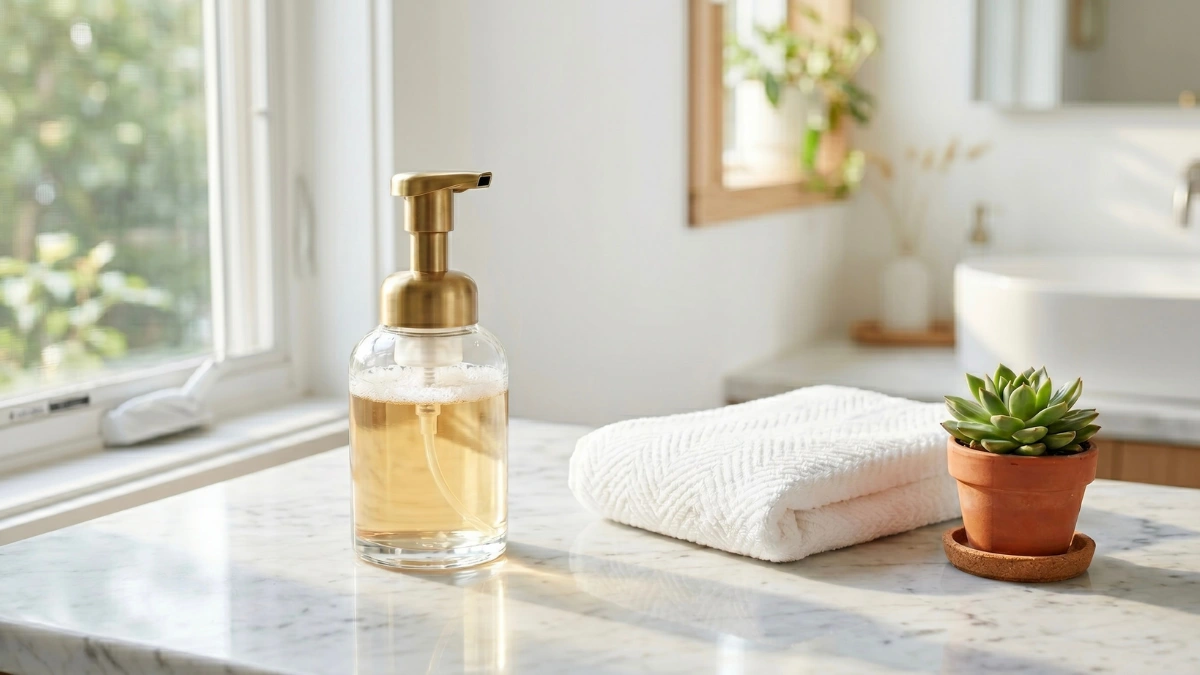
Picture this: You are standing at the bathroom sink, ready to wash your hands after a long day of tackling household chores, only to hear that dreaded, hollow sputtering sound. The liquid hand soap dispenser is practically empty. There is only a tiny puddle of thick soap sitting stubbornly at the bottom of the bottle.
The immediate, almost instinctive reaction for most of us is to turn on the faucet, splash a little tap water into the bottle, give it a vigorous shake, and keep using it. It seems like a harmless, clever little household hack to stretch our budget just a tiny bit further.
But hold on a second. Did you know that simply watering down your hand soap directly from the tap can actually do more harm than good? Recent discussions across hygiene forums and frugal living communities have highlighted exactly why this common habit is a hidden hazard.
Grab a fresh cup of coffee, settle in, and let us explore the fascinating science behind hand soap, why the old tap-water method fails, and the absolute best, expert-approved ways to make your soap last twice as long without compromising on cleanliness.
The Hidden Danger of the “Tap Water Splash”
To understand why casually watering down soap is a bad idea, we have to look at how liquid soap is formulated in the first place. When manufacturers produce a bottle of hand wash, they use a highly specific, carefully calculated ratio of surfactants (the active ingredients that lift dirt and oils from your skin), water, and preservatives.
These preservatives are absolutely essential. Liquid soap naturally sits in a warm, humid environment (your bathroom or kitchen sink), which is the perfect breeding ground for bacteria and mold. The specific amount of preservatives in that bottle is designed to protect the exact volume of liquid inside.
When you introduce untreated tap water directly into that perfectly balanced environment, two things happen instantly:
- The preservatives become dangerously diluted: They are no longer strong enough to fight off microbial growth.
- You introduce new contaminants: Tap water is safe to drink, but it is not completely sterile. It contains trace amounts of minerals and microscopic life.
Over time, this weakened, watered-down mixture can actually start to harbor bacteria. According to hygiene experts, washing your hands with contaminated soap can deposit more germs onto your skin than you started with. A quick search through the r/LifeProTips community on Reddit reveals numerous stories from people who opened their “watered-down” soap dispensers after a few weeks, only to find a horrifying blob of slime mold growing around the plastic tube.
Clearly, the quick tap-water splash is not the answer. But do not worry, there is a brilliant, completely safe way to stretch your soap budget.
The Game-Changing Secret: The Foaming Dispenser Hack
If you want to double, triple, or even quadruple the life of your hand soap safely, the ultimate tool you need is a foaming soap dispenser.
If you have ever purchased a bottle of foaming hand soap from the store, you might be surprised to learn what is actually inside. Foaming soap is not a special, unique chemical formula; it is simply regular liquid soap that has already been heavily diluted with water. The heavy lifting is done entirely by the mechanical pump, which injects air into the thin soapy liquid as it passes through a tiny mesh screen, producing a rich, luxurious lather.
By utilizing your own foaming dispenser, you can take control of the dilution process, ensuring it is done safely and hygienically, while saving a wonderful amount of money in the long run.
Here is what the vibrant community over at r/Frugal has refined into the perfect, tested method for stretching soap at home.
Step 1: Prepare the Right Kind of Water
Since we learned that tap water can introduce impurities and ruin the preservative balance, the smartest approach is to use distilled water or boiled water. Simply boil a kettle of water and let it cool completely to room temperature. Boiling the water ensures that any trace bacteria are eliminated, giving your DIY foaming soap a much longer, safer shelf life.
Step 2: Finding the Golden Ratio
You do not need very much soap at all to achieve a beautiful, thick lather. The general consensus among experienced household optimizers is a 1:3 or 1:4 ratio.
- Pour one part of your favorite liquid hand soap (about 20% to 25% of the bottle’s volume) into a clean, empty foaming soap dispenser.
- Fill the remaining space with your cooled, boiled water. Be sure to leave about an inch of empty space at the top so the pump mechanism has room to sit without overflowing.
Step 3: The Reddit Pro-Tip (The Secret Ingredient)
If you want to take your homemade foaming soap to the next level, there is a widely celebrated trick circulating on the r/lifehacks boards. Add a few drops (about half a teaspoon) of liquid vegetable glycerin to the mixture.
Why vegetable glycerin? It serves two incredible purposes. First, it acts as a stabilizing agent for the foam, resulting in a thicker, more luxurious lather that feels expensive and does not immediately dissolve into watery bubbles. Second, since diluting soap can sometimes reduce its moisturizing properties, the glycerin acts as a powerful humectant. It draws moisture to your skin, preventing dryness and keeping your hands incredibly soft even with frequent, daily washing.
Step 4: Swirl, Do Not Shake
Once all your ingredients are in the bottle, attach the pump securely. Resist the urge to shake the bottle vigorously, as this will just fill the container with dense suds and make it difficult for the pump to work properly. Instead, gently swirl the bottle in a circular motion for about fifteen seconds until the thicker soap smoothly integrates with the water.
Keeping Your Dispenser in Top Shape
Foaming soap dispensers are fantastic, but they do require a tiny bit of maintenance to keep them functioning perfectly. The secret to their fluffy foam is a microscopic mesh screen hidden inside the pump head. Over months of use, tiny amounts of soap residue can dry out and clog this screen, causing the pump to stick or the foam to come out looking sad and watery.
To prevent this, simply incorporate a quick cleaning routine whenever you refill the bottle. Run the pump head under hot water, and pump some clean, hot water entirely through the mechanism a few times. This melts away any built-up residue, ensuring your dispenser works like brand new for years to come. Additionally, try to keep the base of the bottle relatively dry on your sink to prevent any external grime from building up.
The “No-Dilution” Alternative: The Rubber Band Trick
Perhaps you do not own a foaming soap dispenser and prefer the thick texture of regular gel soap. There is still a highly effective way to stretch your soap without adding a single drop of water.
The frugal experts at r/ZeroWaste highly recommend the “Rubber Band Trick.” Take a small, sturdy rubber band or hair tie and wrap it tightly around the spring-loaded neck of your soap pump. This physical barrier stops the pump from being pushed all the way down.
Most commercial soap dispensers are designed to pump out far more soap than you actually need to effectively clean your hands. By restricting the pump’s travel distance by half, you automatically dispense the perfect, pea-sized amount of soap every single time. Your bottle will instantly last twice as long, your hands will be just as clean, and you will completely bypass any worries about bacteria or mold.
Wrapping It Up
Maximizing your household products is a wonderful way to reduce plastic waste and keep your grocery budget in check. By stepping away from the risky “tap water splash” and embracing smart, hygienic methods like the foaming dispenser ratio or the simple rubber band trick, you ensure that your home stays exceptionally clean and incredibly efficient.
The next time your favorite hand soap starts running low, you will know exactly what to formulate. Enjoy the rich lather, the saved pennies, and the peace of mind that comes with doing things the right way!