

The Dishwasher Tablet Hack for Scrubbing Burnt Oven Doors: Does It Actually Work?
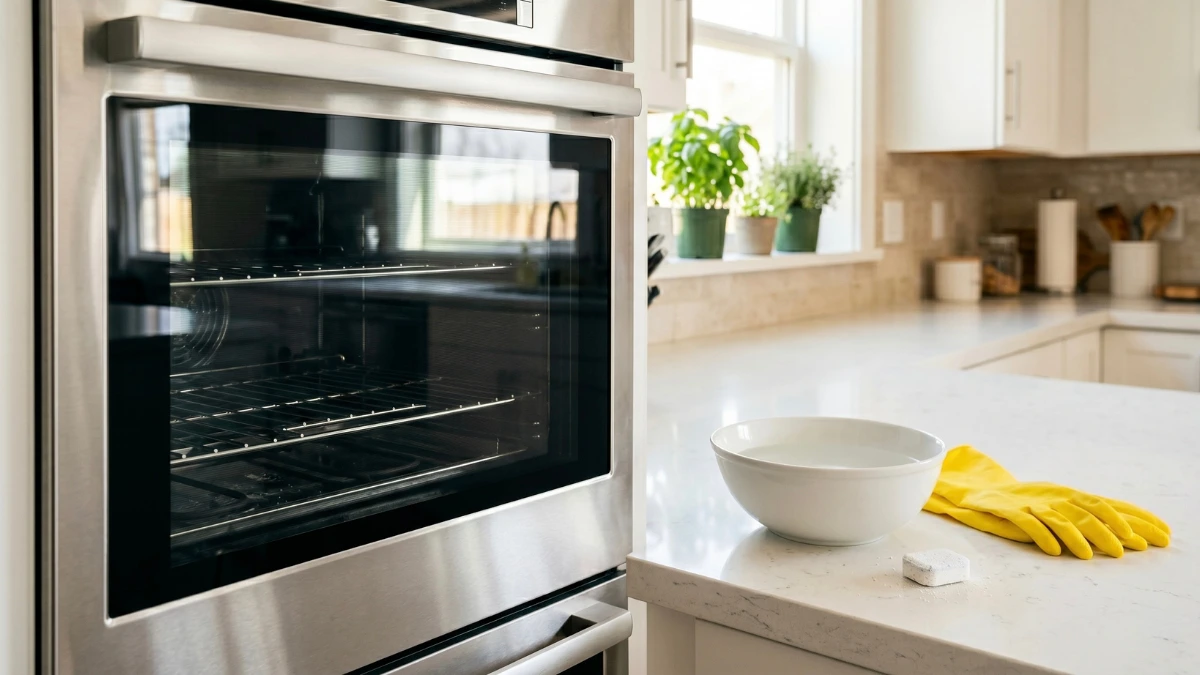
Let’s be completely honest with each other: cleaning the oven door is the kitchen chore we all collectively avoid. It is easy to wipe down the countertops and sweep the floors, but that dark, baked-on grease splattered across the oven glass? That is a different story entirely. We often leave it until we can barely see what we are baking inside.
Over the years, we have all tried various solutions. We have scrubbed until our arms ached, we have tried forming pastes out of baking soda, and we have opened all the windows to tolerate the harsh, overwhelming fumes of commercial aerosol oven cleaners. But recently, a brilliantly simple alternative has been taking over the internet and proving itself in countless households: the dishwasher tablet hack.
You might have seen this trick floating around social media or recommended in deep-cleaning forums. But does it actually work? Is it safe for your appliance? Grab your coffee, settle in, and let’s explore everything you need to know about transforming that opaque, greasy glass back into a crystal-clear window, using nothing but a cheap dishwasher tablet and a little bit of warm water.
Why a Dishwasher Tablet? The Architecture of the Hack
To understand why this works so exceptionally well, we have to look at what a dishwasher tablet actually is. These small blocks are essentially highly concentrated powerhouses of cleaning technology. They are designed to sit in a machine and obliterate hardened, baked-on lasagna and dried grease from your plates without any physical scrubbing.
They achieve this through a specific blend of ingredients. First, they contain enzymes that specifically target and break down proteins and starches—the exact components of the food splatters burnt onto your oven glass. Second, they contain surfactants that cut through heavy grease, lifting it away from the surface. Finally, the pressed powder itself acts as a remarkably effective, yet gentle, abrasive.
When you rub a slightly dampened tablet against the glass, you are applying all that concentrated enzyme power directly to the stains, while the powdery texture physically lifts the grime without scratching the tempered glass. It is a dual-action approach that synthesizes chemical breakdown with mechanical lifting.
Real Community Experiences: The Reddit Verdict
If you spend any time browsing communities like Reddit’s r/CleaningTips, you will see real, unfiltered opinions on every household chore imaginable. The consensus on the dishwasher tablet hack is overwhelmingly positive, often accompanied by astonishing before-and-after photos.
Many users report tackling ovens that had not been cleaned in years—sometimes a decade of accumulated grime—and achieving a spotless finish in under 30 minutes. The recurring theme in these community discussions is the sheer reduction in effort. While the traditional baking soda and white vinegar method is beloved for being natural, many users admit it requires significant waiting time and intense “elbow grease” to get through the toughest layers.
Users also frequently point out that the cheapest, generic store-brand tablets often work just as well, if not better, than the premium brands for this specific task. The key is the format of the tablet, not the price tag.
The Essential Rules: What You Need Before You Start
Before you rush to the kitchen, there are a few critical rules to establish. Not every tablet will work, and safety is paramount.
- You Must Use a Pressed Powder Tablet: This is the most important detail. You need the hard, chalky, powdery blocks. Do not attempt this with squishy gel pods or liquid capsules. A gel pod will simply burst, make a slippery mess, and provide zero abrasive scrubbing power. Look for basic, hard tablets (like standard Finish Powerball or generic supermarket brands).
- Remove the Little Red Ball (Optional but Recommended): If your tablet has a soft “powerball” in the center, it can sometimes fall out or smear during scrubbing. Many people find it easier to simply pop that out and use the hard white and blue powdery sections.
- Gloves Are Absolutely Non-Negotiable: Dishwasher tablets contain caustic ingredients meant to break down food, and they will absolutely irritate, dry out, or even burn your skin with prolonged contact. Always wear sturdy rubber cleaning gloves.
- Prepare a Bowl of Warm Water: You will need this to continuously dip the tablet.
The Step-by-Step Guide to a Flawless Oven Door
Now that you are prepared, here is the exact, step-by-step architecture of the process for the best possible results.
Step 1: Prep the Area
Make sure the oven is completely turned off and cool to the touch. Lay a towel or some newspaper on the floor beneath the oven door to catch any drips or crumbly bits of the tablet that might fall during the process. Put on your rubber gloves.
Step 2: Dampen the Tablet
Take your pressed powder tablet and dip just the edge of it into your bowl of warm water. You do not want to soak the tablet entirely, or it will crumble and dissolve in your hand. You only want to soften the surface so it forms a micro-paste when rubbed. Alternatively, you can use a spray bottle to lightly mist the oven glass with warm water, keeping the tablet itself dry until it hits the glass.
Step 3: Begin Scrubbing
Place the flat side of the dampened tablet flat against the oven glass. Using your palm for even pressure, begin scrubbing in circular motions. Focus on a small section at a time. As you rub, you will notice the tablet developing a thick, milky paste on the glass. This is exactly what you want. The paste is the concentrated enzymes going to work.
Step 4: Maintain the Moisture
As you scrub, the tablet will dry out and stop gliding. When this happens, simply dip the edge back into your warm water or spritz the glass again. If the tablet crumbles completely, simply grab a fresh one. Most standard oven doors only require one or two tablets for the entire job.
Step 5: Wipe and Rinse Thoroughly
Once you have scrubbed the entire surface and the baked-on grease has lifted, it is time to clean up. Use a damp microfiber cloth or a soft sponge to wipe away the gritty paste.
Important Note: You must rinse the glass meticulously. Go over it several times with a fresh, damp cloth to ensure absolutely no chemical residue is left behind. If you leave residue, it will bake onto the glass the next time you turn the oven on, potentially causing streaks and fumes. Dry the glass with a clean paper towel or a dry microfiber cloth for a streak-free, gleaming finish.
Crucial 2026 Safety Warnings (Please Read)
While this hack is incredibly effective, we must discuss appliance safety and recent expert guidelines to ensure you are protecting your health and your oven.
Never Heat the Tablet in the Oven Recently, a dangerous variation of this hack circulated on video-sharing platforms. It involved placing a dishwasher tablet in a bowl of water and turning the oven up to 100°C (212°F) to “steam clean” the interior. Do not do this. Appliance safety engineers and product safety organizations have issued strict warnings against this practice. Dishwasher tablets are formulated to dissolve safely in water inside a closed dishwasher. When subjected to the intense, dry heat of an oven, the chemicals can vaporize, producing toxic fumes that are hazardous to breathe. Always apply this hack strictly at room temperature.
Keep Away from the Rubber Seals The caustic nature of the tablet is excellent for tempered glass, but it is highly detrimental to the rubber gaskets and seals around your oven door. If the concentrated paste sits on the rubber, it can degrade the material, causing it to crack and fail, which will ruin your oven’s ability to hold heat. Be very careful to keep your scrubbing strictly on the glass.
Avoid Self-Cleaning Interventions If your oven has a specific self-cleaning function or a specialized catalytic liner on the inner walls, do not use dishwasher tablets on those surfaces. These special coatings are delicate and can be permanently damaged by abrasive scrubbing and harsh alkaline chemicals. Stick strictly to the glass door.
Frequently Asked Questions
Can I use this on the oven racks too? Yes! However, rubbing the individual rungs is tedious. Instead, many people place their oven racks in a bathtub or a large sink, drop in two dishwasher tablets, cover them with very hot water, and let them soak overnight. The next morning, the burnt-on grease easily wipes away with a sponge. Just remember to rinse them exceptionally well before putting them back.
Why not just use a melamine sponge? Melamine sponges are excellent tools, but they work purely through micro-abrasion. For heavy, thick, sticky grease, they often require far more physical effort than a dishwasher tablet, which utilizes chemical enzymes to break the bond of the grease before lifting it. Furthermore, melamine sponges can shred quickly on very rough, baked-on textures.
Is this better than dedicated oven cleaner sprays? It depends on your priorities. Heavy-duty aerosol sprays are undoubtedly powerful and require very little scrubbing. However, they are highly toxic, require excellent ventilation, and have a harsh chemical odor that many people find unbearable. The tablet hack provides similar results with zero airborne fumes and a much lower cost per use.
The Final Polish
Tackling the oven door does not have to be a dreaded weekend project that leaves your kitchen smelling like an industrial chemical plant. By utilizing the concentrated power of a simple dishwasher tablet, you can synthesize a highly effective cleaning solution right on the glass, breaking down years of grime in a matter of minutes.
It is a straightforward, practical approach that relies on understanding the tools you already have in your pantry. Just remember the golden rules: wear your gloves, use the hard powder tablets, keep the heat off, and rinse the glass until it shines. Your kitchen will look distinctly brighter, and you will have saved yourself a significant amount of time and effort. Now, you can get back to the fun part: deciding what delicious meal you are going to bake next in your spotless oven.