

The “Dish Soap and Salt” Hack: Does It Really Melt Heavy Range Hood Grease?
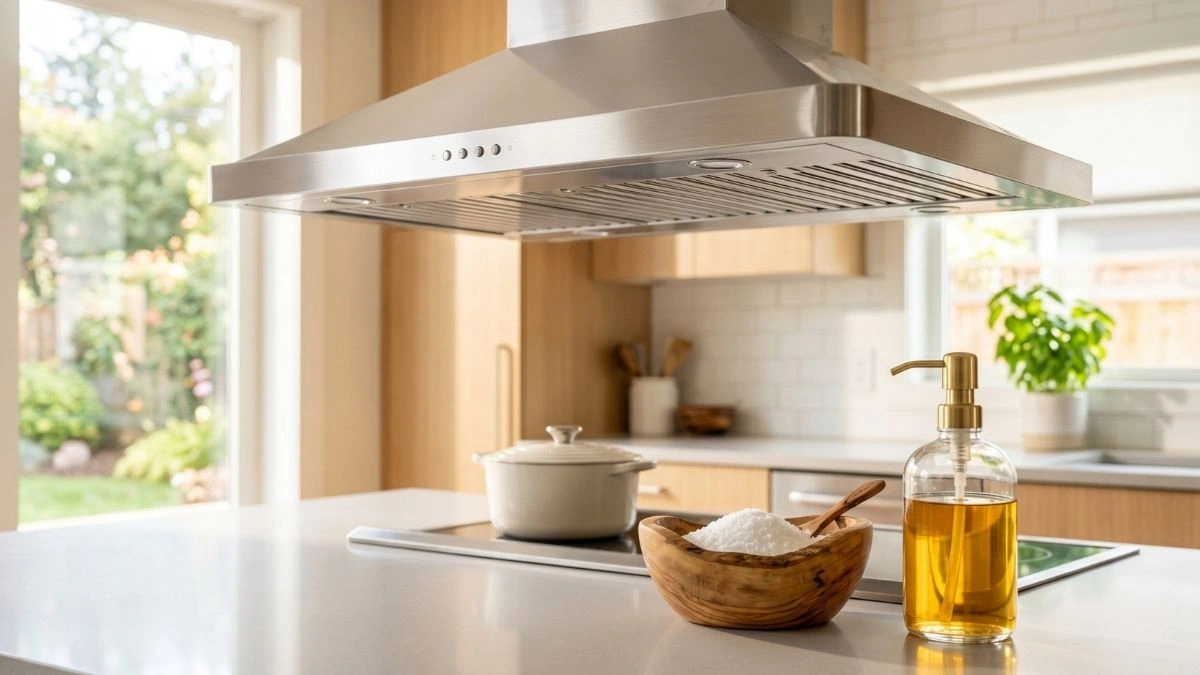
If you spend any amount of time cooking, you already know the dark secret hiding right above your stove. You can wipe down your countertops daily, mop the floors, and keep your sink shining, but the range hood? That is an entirely different battle. Over time, the steam and splatters from your favorite meals rise and settle, forming a sticky, yellowish layer of stubborn grease. It is the kind of grime that standard wiping simply smears around rather than removes.
You have probably seen dozens of cleaning trends circulating on Pinterest and Discover feeds, promising effortless results. Among the most popular recent conversations on home care forums is a surprisingly simple, budget-friendly solution: the dish soap and salt mixture. But does combining your everyday dish liquid with ordinary table salt actually cut through heavily polymerized kitchen grease, or is it just another internet exaggeration?
Let’s grab a cup of coffee, skip the overwhelming chemical fumes of heavy-duty industrial degreasers, and break down exactly why this simple combination is taking over cleaning communities—and how you can use it to restore your range hood to its original, spotless condition.
The Science of the Scrub: Why This Combination Works
To understand why this mixture is so highly effective, we first need to understand the enemy. The buildup on your range hood is not just liquid cooking oil. When aerosolized oils from frying and sautéing meet the heat of the stove and the oxygen in the air, they undergo a process called polymerization. They transform from a slick liquid into a hard, tacky, resin-like substance. This is why a simple wet rag feels like it is glued to the surface when you try to wipe it.
This is where our two-ingredient powerhouse comes into play.
Dish Soap (The Lipid Breaker): Dish soap is formulated specifically with surfactants. These molecules have a unique structure: one end bonds with water, while the other end bonds with fats and oils. When applied to grease, the soap molecules surround the oil particles, lifting them away from the surface and allowing them to be rinsed away. However, highly polymerized grease is often too tough for soap alone to penetrate quickly.
Salt (The Gentle Abrasive): This is the game-changer. Heavy grease requires mechanical action—scrubbing—to physically break the tacky bonds. If you use steel wool or a harsh scouring pad, you risk permanently scratching the stainless steel or painted finish of your range hood. Salt acts as the perfect natural, gentle abrasive. Its granular texture provides just enough friction to cut through the hardened resin, but because it dissolves in water, it will not leave micro-scratches on your metal finishes.
When you combine the chemical lifting power of the soap with the physical scrubbing power of the salt, you form a highly effective, eco-friendly degreasing paste.
The Step-by-Step Guide: Cleaning Your Range Hood Filters
The filters underneath your hood do the heaviest lifting, trapping the majority of the airborne grease. Whether you have aluminum mesh filters or stainless steel baffle filters, the dish soap and salt method works exceptionally well, provided you add one crucial element: extreme heat.
Step 1: The Boiling Water Prep
Begin by removing the filters from your hood. Find a large baking dish or plug your kitchen sink. Place the filters flat. Pour boiling hot water directly over them. Heat is the ultimate weakness of polymerized grease. The near-boiling water will instantly soften the hardened residue, making the next steps significantly easier.
Step 2: Form the Paste
While the filters are soaking, mix your solution. In a small bowl, combine about three tablespoons of a high-quality grease-cutting dish soap with two tablespoons of fine table salt. Stir them together until they form a thick, grainy paste. Pro tip: Avoid coarse rock salt or sea salt, as the large, sharp crystals could potentially scratch delicate aluminum mesh.
Step 3: The Soaking Period
Drain the hot water from the sink. While the filters are still warm, use a soft bristle brush or a sponge to generously apply your soap and salt paste all over the greasy areas.
Here is a crucial rule directly from cleaning experts and Reddit communities alike: Let it sit. Do not start scrubbing immediately. The surfactants in the dish soap need time to penetrate and bind to the lipids. Allow the paste to rest on the filters for at least 15 to 20 minutes.
Step 4: Scrub and Rinse
After the resting period, take a soft brush and begin to scrub in circular motions. You will feel the salt granules doing the heavy work, gripping the tacky grease and lifting it away. Once the grease is loose, rinse the filters under hot running water. The soap will carry the suspended oils right down the drain, leaving behind a pristine, shining filter. Set them aside to air dry completely before reinstalling.
Tackling the Range Hood Surface (The Canopy)
Cleaning the exterior canopy of the hood requires a slightly different approach, as you cannot soak it in boiling water.
- Warm the Surface: Take a microfiber cloth, soak it in very hot water, wring it out, and press it against the greasy areas of the hood for a few minutes. This mimics the soaking process and softens the resin.
- Apply Gently: Apply the dish soap and salt paste directly to a damp sponge.
- Work with the Grain: If your range hood is stainless steel, look closely at the metal. You will notice faint lines running in one direction—this is the “grain.” Always scrub gently in the direction of the grain to maintain the finish’s integrity. The salt will agitate the dirt, while the soap lifts it.
- The Damp Wipe-Down: Once the grease is lifted, use a clean, damp microfiber cloth to remove the soapy residue. You may need to rinse the cloth several times. Leaving soap behind will cause streaks.
- The Final Polish: To get that Pinterest-worthy shine, take a dry microfiber cloth and a tiny drop of olive oil or mineral oil, and buff the dry stainless steel surface. This removes any final water spots and leaves a beautiful protective sheen.
What the Reddit Community Says About the Hack
If you dive into the deep discussions on r/CleaningTips or r/Cooking regarding kitchen grease, the dish soap and salt method frequently surfaces as a top recommendation, especially for those who want to avoid the harsh fumes of chemical oven cleaners.
Real-world users consistently highlight a few key takeaways from their experiences:
- Patience is Mandatory: Many users note that the biggest mistake people make is rushing. Applying the paste and scrubbing immediately often leads to frustration. Giving the soap 20 minutes to break down the lipid structures makes all the difference.
- The Power of Quality Soap: While any dish soap helps, community consensus heavily favors concentrated brands known for their superior surfactant properties.
- Adding Baking Soda: For exceptionally neglected range hoods (perhaps in a newly rented apartment or an older home), some users recommend synthesizing a “super paste” by adding a tablespoon of baking soda to the soap and salt mix. Baking soda introduces a mild alkalinity that further helps to saponify (break down) the fats.
Important Precautions to Keep in Mind
While this method is highly effective and utilizes safe household items, there are a few best practices to ensure you do not damage your appliances.
- Avoid Coarse Salt: As mentioned, stick to fine table salt. Himalayan pink salt or thick sea salt has large, jagged edges that could potentially leave micro-abrasions on polished metals or painted surfaces.
- Do Not Use on Anti-Fingerprint Coatings: If your modern appliances have a specialized anti-fingerprint or matte protective coating, check the manufacturer’s manual. Abrasives of any kind (even gentle salt) might degrade these specific high-tech finishes.
- Thorough Rinsing is Required: Salt is corrosive to metal if left in contact for extended periods. Ensure you thoroughly wipe down the hood with a clean, damp cloth to remove all salt residue after cleaning.
Maintaining a Spotless Kitchen Environment
The best way to clean heavy grease is to prevent it from building up into a thick resin in the first place. Once you have used the dish soap and salt method to restore your range hood, maintaining it takes only a fraction of the effort.
Make it a habit to wipe down the exterior of the hood with a hot, damp, soapy cloth once a week. For the filters, run them through a hot dishwasher cycle (if they are dishwasher safe) or give them a quick 10-minute hot water soak once a month. By addressing the oil while it is still in its liquid state, you will never have to scrub polymerized grease again.
Deep cleaning your home does not always require purchasing expensive, heavily scented chemical products. Often, the most effective tools are already sitting in your pantry. The dish soap and salt combination is proof that understanding a little bit of practical chemistry can save you time, money, and a lot of elbow grease. So, the next time you look up and notice that familiar yellow tint above your stove, you will know exactly what to do. Grab a bowl, mix your paste, and enjoy the satisfaction of restoring your kitchen’s brilliant shine.