

The Hidden Price Tag of “Dupes”: Why Buying Cheap is Actually Costing You More
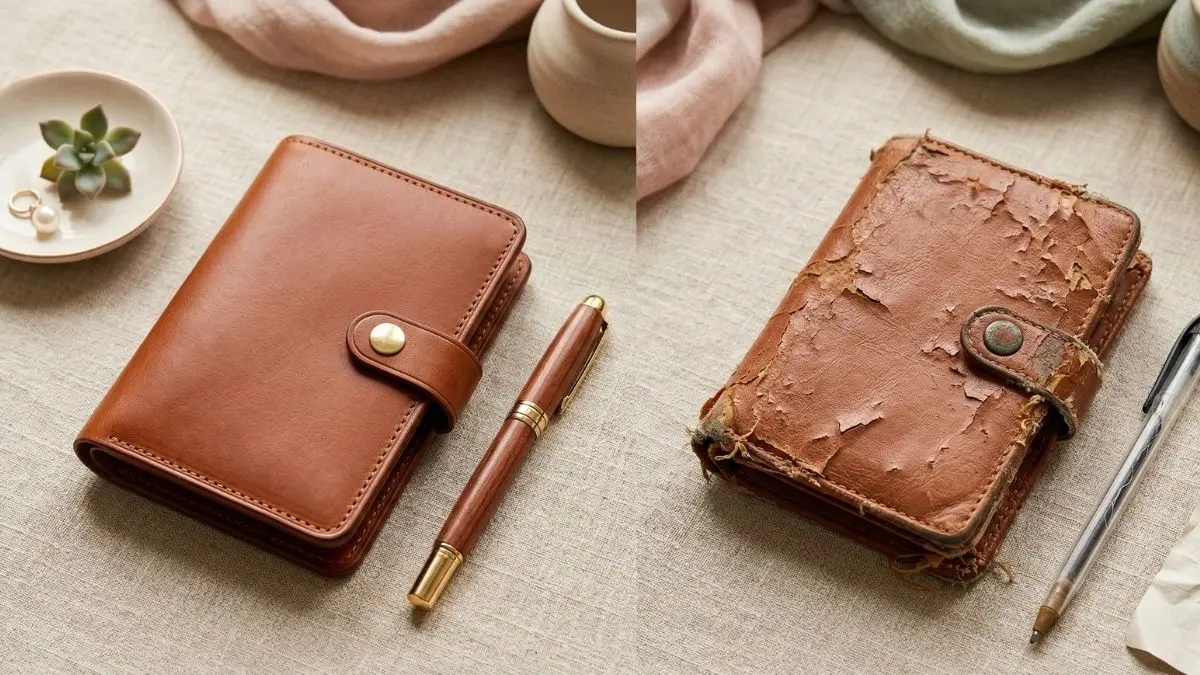
We’ve all been there—scrolling through our feeds late at night, only to stumble across a video promising the “exact same” designer product for a fraction of the price. The thrill of finding the perfect dupe feels like a massive victory, especially when we are all trying to navigate rising living costs. But before you hit “add to cart,” it might be time to look a little closer at what you are really paying for. While scoring a budget-friendly alternative feels like a win in the moment, a deep dive into the research behind the trend reveals a surprising truth: chasing the cheapest option is quietly draining our wallets, compromising our well-being, and taking a heavy toll on the world around us.
Here is why our collective obsession with dupes might be the most expensive habit we’ve developed—and how we can shop smarter.
The Dopamine Trap and the “Cost Per Wear” Reality
When you find a $35 alternative to a $500 luxury perfume, your brain rewards you with a massive rush of dopamine. You feel like you’ve just outsmarted the system. However, financial experts point out that this “savings illusion” often backfires. Instead of banking that extra money, consumers frequently use it to fill their carts with even more cheap items. At the end of the day, you end up overspending on things you never originally planned to buy.
To truly understand the financial drain of dupes, we have to look at the “Cost Per Wear” (CPW) metric. Let’s look at a classic wardrobe staple: a blazer. Research shows that a $300 high-quality blazer might last you five years (around 260 wears), bringing the true cost down to just $1.15 per wear. On the flip side, a $60 synthetic fast-fashion dupe often begins to pill or lose its shape after just 10 wears. Replacing it repeatedly means your CPW skyrockets to $6.00.
This cycle is perfectly captured by a famous socioeconomic theory often referenced by economists: “The Boots Theory.” The concept highlights a frustrating paradox—those who buy cheap items end up spending significantly more over time because their purchases constantly break and need replacing, while those who invest in quality buy once and are set for years.
Community Experience: “Buy Cheap, Buy Twice”
This isn’t just theory; it is a lived reality for millions of shoppers. Across widely shared community discussions on platforms dedicated to frugality and lifelong purchases, a clear consensus has emerged. True frugality isn’t about finding the lowest price tag; it is about investing in durability.
In community-reported experiences regarding home goods, users frequently note that while cheaper, copycat platform beds might look identical to premium solid-wood versions online, they quickly lose structural integrity. Meanwhile, the originals survive multiple moves without a single creak. The community’s golden rule? “Buy cheap, buy twice.” Constantly replacing low-quality items is the opposite of saving money.
The Skincare Scam: When “Affordable” Means Dangerous
The hidden costs go far beyond our bank accounts, especially when it comes to the booming market of cosmetic and skincare dupes. Original brands spend millions on research, development, and dermatological testing. Copycat manufacturers, aiming to slash prices to the absolute minimum, often bypass these safety protocols entirely.
In aggregated feedback across popular skincare discussion forums, users have shared heartbreaking accounts of the physical toll of cheap alternatives. One consumer shared how swapping a premium cleansing balm for a viral dupe resulted in severe perioral dermatitis. Another noted that a budget alternative to a high-end moisturizer contained harsh essential oils that triggered painful skin reactions. As one user wisely summarized their twenty-year skincare journey: “Spending money on a product that works isn’t wasteful. The real waste is all the money I threw away trying to find a cheap copy.”
Furthermore, clinical toxicology reports warn of a much darker reality in counterfeit cosmetics. To keep prices low, unregulated factories have been found using heavy metals, banned chemicals, and even contaminated materials to balance pH levels. The long-term medical bills to fix a damaged skin barrier—or worse—far outweigh the initial $20 saved at checkout.
The Global and Environmental Toll of Our Cart
Finally, we have to talk about where these items end up when they inevitably fall apart. The global environmental toll of our dupe culture is staggering.
Because we are unsure of sizing or quality when ordering cheap alternatives online, many of us practice “bracketing”—buying the same item in three sizes, keeping one, and returning the rest. But reverse logistics (the cost of processing a return) is so expensive for companies that massive amounts of perfectly good, unworn returns are simply burned or sent straight to landfills.
The consequences are devastating for developing nations. In Ghana’s Kantamanto market, an estimated 15 million used or discarded garments arrive from Western countries every single week. Because fast-fashion dupes are made of such poor-quality synthetic materials, nearly 40% of these arrivals are entirely unsellable. They end up dumped in illegal landfills, polluting local ecosystems and triggering an environmental crisis.
Shopping Smarter, Not Harder
The truth is, making style accessible to all is a beautiful concept, but the current ‘dupe’ ecosystem is often a lose-lose situation. It drains our budgets through constant replacements, poses risks to our health, and harms the planet under the guise of “smart shopping.”
Next time a viral video tries to convince you that a $5 knock-off is a life-changing hack, take a pause. Remember that true consumer empowerment isn’t about owning the most things for the least amount of money. It is about investing in quality, caring for what we own, and remembering that if a price seems too good to be true, someone—or something—is paying the difference. Let’s choose to buy less, choose better, and make our hard-earned money truly last.