

The “Pantry First” Grocery Hack to Slash Your Food Bill in Half
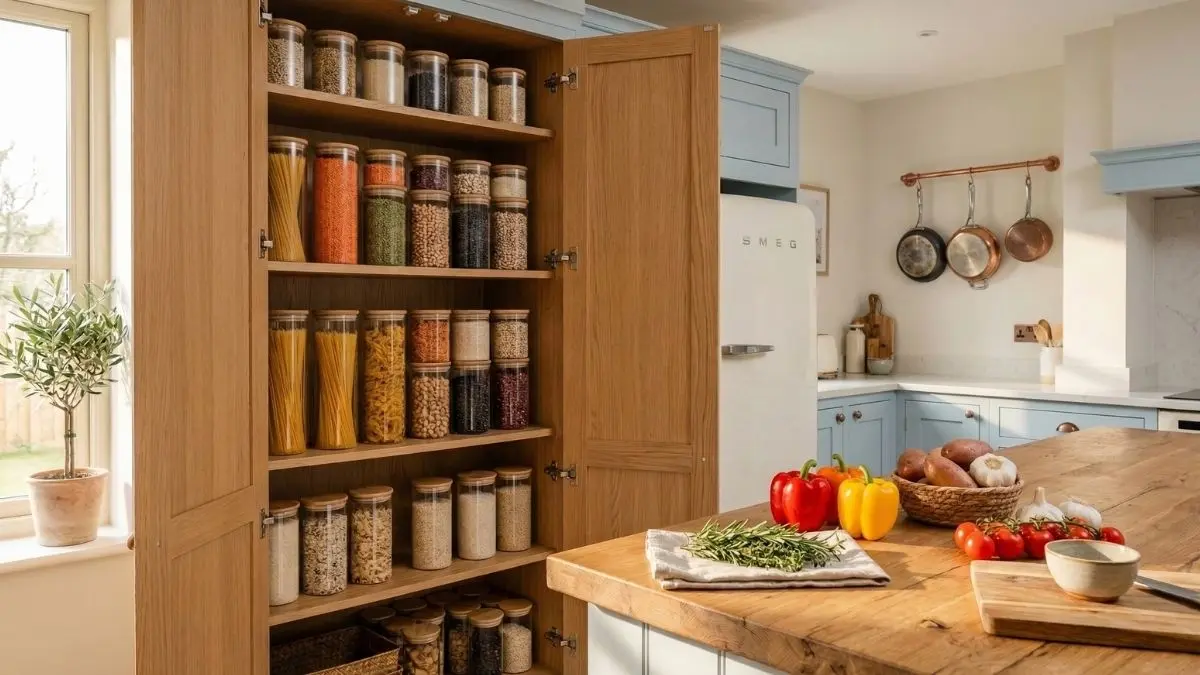
Grab your favorite mug of coffee, settle into a comfortable spot, and let us have a real conversation about something that is on almost everyone’s mind lately: the ever-climbing grocery bill. If you have noticed that your weekly supermarket runs are taking a larger bite out of your budget than they used to, you are certainly not alone. Food prices fluctuate, and managing a household budget requires increasingly resourceful strategies.
However, the solution to lowering your food expenses does not require extreme couponing or sacrificing the nutritional quality of the meals you put on the table. Instead, the most effective strategy might already be hiding behind your kitchen cabinet doors. Enter the “Pantry First” method. This simple, highly effective approach flips traditional meal planning upside down, helping you maximize what you already own, drastically reduce food waste, and cut your grocery bills in half.
Let us dive deep into how this simple framework can transform your kitchen habits and keep more money in your wallet.
What is the “Pantry First” Method?
To understand the “Pantry First” method, we first need to look at how most households plan their meals. The traditional process usually looks like this:
- You browse cookbooks or the internet for appetizing recipes.
- You write down all the ingredients required for those specific recipes.
- You go to the store and buy everything on the list.
- You cook the meals, often leaving leftover half-used ingredients (like half a bunch of parsley or half a jar of specialized sauce) to sit in the fridge or pantry indefinitely.
The “Pantry First” method completely reverses this sequence. Instead of starting with an external recipe, you start with the inventory you already possess. You look at the grains, proteins, canned goods, and produce sitting in your kitchen, and you build your meals around those existing foundations. You only visit the grocery store to purchase the specific “gap-filler” items needed to tie those existing ingredients together into a complete dish.
It sounds incredibly simple, but the financial impact is profound. By utilizing what you have, you stop buying duplicates, you prevent food from expiring, and you naturally gravitate toward more affordable, staple-heavy meals.
The Three-Step Execution Guide
Transitioning to this method requires a slight shift in household management, but once the habit is formed, it becomes second nature. Here is the step-by-step editorial guide to mastering the process.
Step 1: The Deep Dive Inventory
Before you can plan, you must know exactly what you are working with. Set aside twenty minutes to thoroughly audit your kitchen.
- The Dry Goods: Check for pasta, rice, lentils, beans, oats, and quinoa. These are excellent, filling foundations for any dinner.
- The Canned Goods: Look for diced tomatoes, coconut milk, tuna, beans, and broths.
- The Freezer: Investigate forgotten frozen vegetables, portions of meat, or frozen fruits.
- The Perishables: Note any fresh produce or dairy that is nearing the end of its lifespan. These items must be prioritized in your immediate cooking queue to prevent spoilage.
Pro Tip: Keep a running list on your refrigerator or use a simple digital notes app on your phone. Knowing your inventory prevents the classic “I thought we had garlic!” moment at the supermarket.
Step 2: The Clever Recipe Hunt
Once you have your inventory, the goal is to assemble dishes based on those items. If you have a bag of black beans, some rice, and a few bell peppers, your goal is to find a recipe that uses all three.
If you struggle to think of recipes on the spot, technology is your best friend. Websites like SuperCook allow you to input the exact ingredients you currently have in your kitchen, and the search engine will instantly generate thousands of recipes that match your available inventory. It is an incredibly resourceful way to discover new flavor combinations without spending a single penny.
Step 3: The Minimalist “Gap-Fill” Shopping List
This is where the actual financial savings happen. Your grocery list should no longer consist of core meal components. Instead, it should only contain the missing links.
For example, if you found a recipe for a lentil shepherd’s pie using the lentils, frozen peas, and onions you already have, your shopping list might only need potatoes for the topping. You are no longer buying an entire cart of groceries; you are simply buying the architectural support for the food you already own.
Real Community Wisdom: What Actually Works
When examining practical household tips, it is always helpful to look at real-world applications. Across popular online communities focused on budget management, the “Pantry First” approach is frequently praised as a cornerstone habit.
In the r/EatCheapAndHealthy and r/Frugal communities on Reddit, users often share their experiences with “Pantry Challenges.” A pantry challenge involves committing to a week (or sometimes a whole month) where no major grocery shopping is allowed. Participants must eat entirely from their current inventory, only buying absolute essentials like fresh milk or eggs.
Real users consistently report saving anywhere from $100 to $300 during a single challenge month. One community member noted: “I thought we had ‘nothing to eat.’ When I actually inventoried my pantry and freezer, I found enough rice, frozen chicken, and canned tomatoes to feed us for two straight weeks. It completely reset my perspective on how much food we hoard without realizing it.”
These shared experiences highlight a universal truth: we often confuse “having nothing to eat” with “not having exactly what I am currently craving.” Overcoming that mental hurdle is the key to slashing your grocery bill.
Building a “Pantry First” Optimized Kitchen
To make this method sustainable long-term, you need to stock your kitchen strategically. When you do find room in the budget, invest in versatile staples that have a long shelf life and can be transformed into dozens of different meals.
The Essential Foundation:
- Versatile Carbohydrates: Keep a healthy stock of brown rice, various shapes of pasta, and potatoes. These act as affordable bulk for any dish.
- Shelf-Stable Proteins: Canned tuna, black beans, chickpeas, and lentils are affordable, highly nutritious, and last for months.
- Flavor Enhancers: This is the secret weapon of the pantry method. A well-stocked spice rack, soy sauce, olive oil, vinegar, and bouillon cubes can turn a plain bowl of rice and beans into a restaurant-quality dish.
Always practice the FIFO (First In, First Out) organizational method. When you do purchase new canned goods or dry staples, place them at the back of the shelf, pushing the older items to the front. This guarantees that your ingredients are consumed well before their expiration dates.
The Hidden Benefit: Combating Food Waste
While the primary goal of this hack is to save money, it is impossible to ignore the positive environmental impact. According to the USDA Food Waste FAQs, a staggering amount of the food supply in developed countries ends up in landfills, much of it originating from household spoilage.
When you buy groceries specifically to fulfill new recipes every week, you inevitably leave behind odds and ends. Half an onion here, a quarter of a cabbage there. By adopting the Pantry First mentality, you naturally sweep up these stragglers. That leftover cabbage becomes part of a stir-fry; that half onion forms the base of a soup. You are actively reducing waste while keeping your hard-earned money in your bank account.
Frequently Asked Questions (FAQ)
Does this method mean we have to eat boring food? Absolutely not! In fact, it often leads to discovering wonderful new meals. Because you are forced to combine ingredients you might not typically pair together, you end up expanding your culinary repertoire. Utilizing spices and simple sauces ensures every meal remains flavorful and exciting.
How do I handle fresh produce with this method? Fresh produce should always be the starting point of your “Pantry First” planning. Look at what is in your crisper drawer first. If spinach is about to wilt, that dictates your meal for the night—perhaps a spinach and bean soup, or a pasta dish featuring leafy greens. Build from the most perishable items down to the least perishable.
What if I truly run out of foundational ingredients? The Pantry First method is not about starving or depriving yourself. When your dry goods and freezer supplies genuinely run low, that is the exact time to do a larger grocery haul to restock your foundational staples. The goal is simply to delay that massive restocking trip for as long as possible by fully utilizing what is currently available.
Final Thoughts
Slashing your food bill in half does not require a complicated financial spreadsheet or hours of clipping coupons. It simply requires a mindful shift in perspective. By viewing your kitchen not as a void waiting to be filled, but as a resource waiting to be utilized, you take control of your household budget.
The next time you are tempted to write out a long, expensive grocery list, pause for a moment. Open your pantry doors, take a good look inside, and ask yourself: What can we assemble from this today? The answer might just save you hundreds of dollars a month.