

The “Warm Squeegee” Method: How to Erase Stubborn Window Condensation Stains Forever
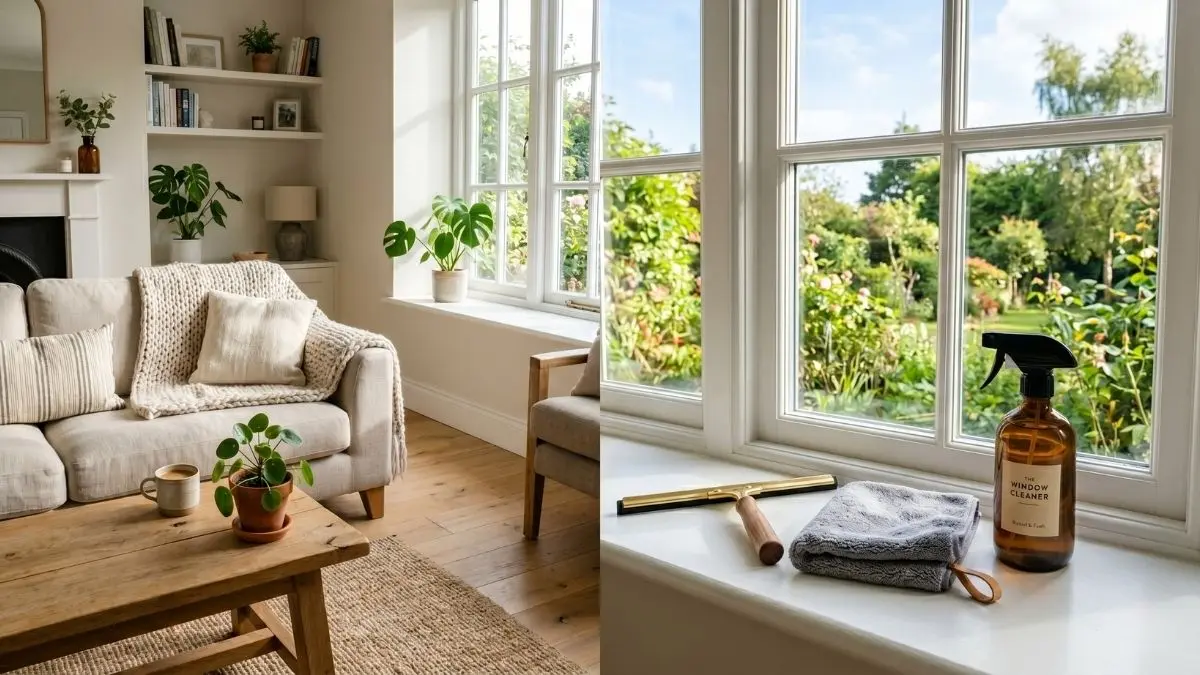
Grab your coffee, settle in, and let’s talk about one of the most universally frustrating home maintenance battles: winter window condensation and the cloudy, stubborn stains it leaves behind. You know the exact scenario. You pull back the curtains on a crisp morning, hoping to let the sunshine in, only to be met with a foggy, spotted mess that looks like a permanent fixture on your glass.
If you have spent hours scrubbing with traditional blue glass cleaners and paper towels only to find the streaks return the moment the sun hits the pane, you are not alone. The internet has been buzzing recently with a highly effective approach that shifts how we tackle this problem. It is called the “Warm Squeegee” method, and it is entirely changing the game for home care enthusiasts.
Let’s break down exactly why traditional cleaning fails, what the recent cleaning communities on Reddit are raving about, and how you can use this simple, science-backed routine to achieve perfectly invisible glass.
Why Do Condensation Stains Form in the First Place?
Before we solve the problem, we need to understand what we are actually fighting. Those cloudy spots are not just trapped moisture or everyday dust.
When condensation forms on your windows—usually because warm, humid indoor air meets the freezing cold surface of the glass—it acts like a magnet. It holds onto airborne dust, microscopic particles from cooking, and if you run a humidifier with tap water, heavy minerals. When that moisture eventually evaporates during the day, it leaves those minerals (primarily calcium and magnesium) baked onto the glass.
Over time, these hard water deposits build up layer by layer. Traditional ammonia-based window cleaners are designed to cut through grease and fingerprints, but they are completely powerless against mineral scale. In fact, wiping a mineral stain with a standard cleaner often just smears the residue around, leading to that deeply frustrating, hazy finish.
Enter the “Warm Squeegee” Method
The “Warm Squeegee” method relies on two simple principles: thermal dynamics and mild acidity. Instead of attacking the window with cold sprays and frantic rubbing, you use a heated, acidic solution to dissolve the mineral bonds, followed immediately by a warmed squeegee to whisk the moisture away before new spots can develop.
Why warm? Heat accelerates the chemical reaction between the acid (usually white vinegar) and the alkaline mineral deposits. Furthermore, warming the rubber blade of your squeegee softens it, allowing it to conform perfectly to the micro-texture of the glass. A cold, stiff squeegee blade tends to skip and leave streaks; a warm, pliable blade glides flawlessly.
What the Reddit Cleaning Communities Are Saying
If you want the unfiltered truth about what actually works, online forums are a goldmine. Over the past few months, threads across r/CleaningTips and r/AusRenovation have been heavily debating the best way to handle severe window water damage.
Here are the standout consensus points from the real-world testers:
- The 50/50 Vinegar Breakthrough: Users overwhelmingly agree that a warm, 50/50 mixture of distilled water and white vinegar is the ultimate solvent. One highly upvoted comment noted that leaving the solution to sit for 10 minutes was the key to success—you have to give the acid time to work.
- The #0000 Steel Wool Secret: For glass that feels physically rough to the touch from years of buildup, professional window washers chimed in with a surprising tip: #0000 grade steel wool. This specific, ultra-fine grade of steel wool (it must be 0000, anything lower will cause damage) gently buffs away the calcification without scratching the glass. It is used with a soapy water slip to polish the surface safely.
- The Bleach Warning: A common mistake people make is reaching for bleach, especially if they suspect mold is forming around the condensation zones. Users and experts alike warn against this. Bleach does not remove mineral stains, and when its water content evaporates, it actually leaves behind a residue that can feed future mold growth. Stick to vinegar.
Your Essential Toolkit
Before you start, gather these specific items. Using the right tools is the difference between a frustrating chore and a satisfying transformation.
- A High-Quality Squeegee: Skip the cheap plastic ones. Look for a brass or stainless steel handle with a replaceable silicone or high-grade rubber blade.
- White Cleaning Vinegar: The standard acidic powerhouse.
- Distilled Water: This is crucial. If you mix your solution with tap water, you are just introducing new minerals right back onto the glass.
- Mild Dish Soap: Just one single drop (like Dawn) to synthesize a smooth slip layer.
- Microfiber Cloths: For detailing the edges.
- A Spray Bottle.
- (Optional but excellent) Steel Wool: For emergency, heavy-duty restoration only.
The Step-by-Step “Warm Squeegee” Guide
Set aside some time on an overcast day or when the sun is not directly hitting the windows (direct sunlight will dry the solution too quickly).
1. Brew the Warm Solution In your spray bottle, mix equal parts white vinegar and distilled water. Heat the mixture slightly—you can microwave the distilled water for 30 seconds before adding the vinegar. Add exactly one drop of dish soap. Swirl gently; do not shake aggressively to avoid excessive foam.
2. The Soak Generously spray the warm solution directly onto the stained glass. Do not wipe it immediately! Let it sit for 5 to 10 minutes. This is where the heavy lifting happens, as the warm acid breaks down the calcified mineral bonds. If the window starts to dry, mist it again.
3. The Polish (If Needed) If you are dealing with years of buildup, wet your #0000 steel wool with the solution and gently rub the glass in circular motions. Keep the glass wet at all times to prevent scratching. For regular maintenance, a standard non-abrasive sponge will do perfectly.
4. Warm the Squeegee and Glide Run your squeegee blade under hot tap water for a few seconds to soften the rubber. Shake off the excess water. Starting at the top corner of the window, pull the squeegee horizontally or vertically in smooth, slightly overlapping strokes. Angle the blade slightly so the water runs down the unwiped portion of the glass.
5. The Edge Detail After every single pass, wipe the squeegee blade completely dry with a lint-free cloth. Once the entire pane is clear, use a dry microfiber cloth to trace the edges of the window frame, picking up any remaining moisture that could drip and form new streaks.
Long-Term Prevention: Keeping the Stains Away
Cleaning the stains is immensely satisfying, but preventing them from coming back is the true goal. Because we cannot change the laws of thermodynamics, condensation will still try to form when the temperatures drop.
The best defense is managing your indoor humidity. Running a dehumidifier in your bedroom or living spaces during the colder months makes a massive difference. Furthermore, taking just 30 seconds each morning to wipe down heavy overnight condensation with a dry microfiber cloth prevents the water from ever sitting long enough to leave minerals behind.
If you have a persistent problem with exterior windows, check your garden sprinklers. Often, a misaligned sprinkler head sprays hard tap water directly onto the glass every morning, accelerating the damage.
With the Warm Squeegee method in your routine, you will never have to dread the morning sunlight highlighting dirty windows again. Your view will be exactly as it should be—crystal clear, bright, and completely uninterrupted.