

The “Warm Glass” Hack: How to Soften Cold Butter in Minutes
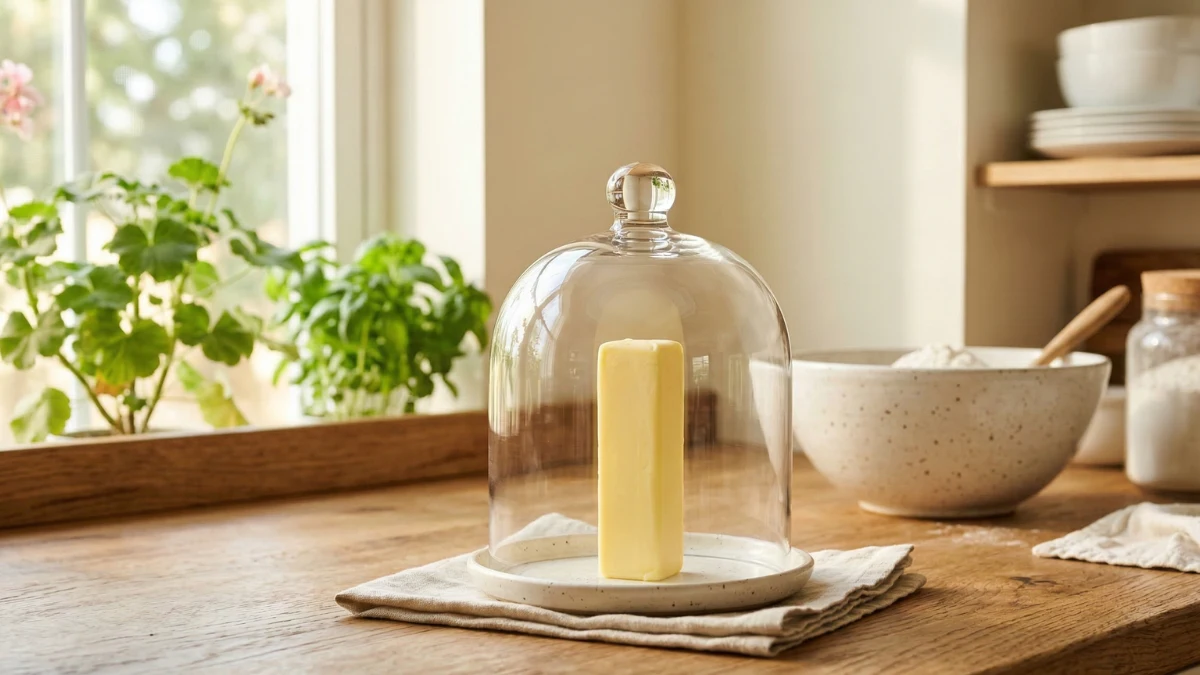
Have you ever found yourself ready to bake, only to realize the butter is still sitting in the refrigerator, rock solid? It is a universally recognized kitchen roadblock. You want to whip up a batch of cookies, but waiting an hour for dairy to reach the perfect ambient temperature feels impossible.
Enter the “warm glass” trick. This brilliant technique softens cold butter in just a few minutes, avoiding the dreaded melted puddles that often result from impatient microwaving. It is a straightforward, reliable method that respects the delicate structure of baking ingredients. This guide will walk you through exactly how to execute this technique, why it works, and what real bakers in online communities say about it.
Why Room Temperature Butter Matters in Baking
Before diving into the solution, it is essential to understand the problem. Why not just use cold butter, or simply melt it?
Baking is essentially edible chemistry. When a recipe calls for room-temperature butter, it relies on the ingredient’s unique physical state. Butter that is properly softened possesses a specific plasticity. When beaten with sugar—a process known as creaming—the sharp edges of the sugar crystals cut into the butter, forming tiny air pockets.
During baking, the water in the butter turns to steam, expanding these air pockets, while baking powder or soda provides additional lift. This process is what gives cakes their tender crumb and cookies their perfect chewiness.
If the butter is too cold, the sugar cannot effectively punch those holes, resulting in dense, heavy baked goods. If the butter is melted, the emulsion breaks down entirely. The air pockets collapse, and your cookies will spread into flat, greasy puddles on the baking sheet.
What Does “Room Temperature” Actually Mean?
“Room temperature” is slightly misleading because kitchens vary wildly in climate. Ideally, softened butter should sit between 65°F and 68°F (18°C to 20°C).
You can perform a simple physical test: press a clean finger into the center of the stick. It should leave a distinct indentation without sliding right through. The butter should hold its shape perfectly but feel pliable. It should never look shiny or greasy; a glossy appearance means it has become too warm.
The Warm Glass Technique: A Step-by-Step Guide
The warm glass method is elegantly simple. It uses trapped, radiant heat to gently warm the dairy from the outside in, without direct, harsh heat. Here is exactly how to do it.
What You Need:
- Your cold stick of butter (keep it in the wrapper for easy handling).
- A tall, heatproof drinking glass, a mason jar, or a glass measuring cup. The vessel must be tall enough to completely cover the stick of butter without touching the sides.
- Hot water (either boiling or very hot from the tap).
The Steps:
- Prepare the Butter: Take the cold stick out of the refrigerator. Leave it in its paper or foil wrapper. Stand it vertically on a small plate. If your glass is wide rather than tall, you can leave the butter horizontally, but standing it upright usually fits better under standard drinking glasses.
- Heat the Glass: Fill your chosen glass to the brim with very hot water. Boiling water from a kettle works exceptionally well, but hot tap water is often sufficient.
- Warm the Vessel: Let the hot water sit in the glass for one to two minutes. This allows the heat to transfer into the glass walls, turning the vessel itself into a gentle heating element.
- Empty and Dry: Carefully pour the hot water out into the sink. Crucial step: Use a clean dish towel to quickly and thoroughly dry the inside of the glass. If you skip this, water droplets will fall onto your butter, which can alter the liquid ratio in your recipe.
- Cover and Wait: Immediately invert the hot, dry glass and place it over the standing stick of butter like a dome. Make sure the glass rests flat against the plate, trapping the warm air inside.
- The Reveal: Let it sit for about 5 to 10 minutes. The residual, radiant heat from the glass will gently soften the dairy. Lift the glass, perform the fingerprint test, and you are ready to bake.
Real Community Experiences: What Bakers Say on Reddit
When evaluating any kitchen hack, it helps to look at real-world application. Communities like r/Baking and r/foodhacks on Reddit are filled with practical feedback from home bakers who have tested this method extensively.
The consensus? The warm glass technique is widely beloved, but it requires a bit of finesse depending on your kitchen’s baseline temperature and the thickness of your glass.
The Microwave Debate
Many Reddit users express frustration with microwave softening. Even on the “defrost” or low-power settings, microwaves heat unevenly. One user noted, “I always fail on the microwave, it melts down bad so I can’t use it.” The warm glass method is frequently praised as the safest alternative for those who constantly accidentally melt their butter into a liquid pool.
The “Cut It Up” Modification
A highly popular modification shared by the community involves surface area. If you are in a massive rush, many bakers suggest cutting the cold butter into small half-inch cubes or thin slices before applying the glass method.
By dicing the stick and spreading the pieces on a plate, the radiant heat penetrates much faster. Instead of waiting ten minutes, cubed butter placed under a large, warm glass bowl can reach the perfect consistency in just two or three minutes. One baker on Reddit shared, “Slice into 1/4 inch slices and spread them apart. Thin slices like that soften in about 5 minutes.”
The Water Bath Alternative
For those needing to soften large quantities (like multiple pounds for a massive batch of buttercream), some community members prefer sealing the dairy in a watertight zip-top bag and submerging the whole bag in a bowl of lukewarm water. While effective, the warm glass method remains the favorite for single sticks due to its zero-waste nature (no plastic bags required).
Comparing Methods: Why the Glass Wins
There are several ways to speed up the softening process, so how does the warm glass compare?
- The Grater Method: You can use a standard box grater to shred cold butter. This works incredibly well for immediate softening, but it is messy. Cleaning a greasy cheese grater is a chore most people want to avoid. The glass method requires drying one cup—a much easier cleanup.
- The Rolling Pin Method: Placing the butter between two sheets of parchment paper and physically beating it with a rolling pin is a fantastic stress reliever. It softens the dairy through friction and physical manipulation. However, it requires elbow grease and can sometimes result in uneven textures.
- The Microwave: As discussed, the microwave is a gamble. It is easy to go from cold to melted in three seconds. The warm glass is a controlled environment.
Troubleshooting Common Mistakes
If you try this technique and it does not work perfectly the first time, you likely encountered one of these common pitfalls:
1. The Outside is Melted, the Inside is Hard This happens if your glass was far too hot, or if you left the dome on for too long. If you use boiling water, a thin glass might become scorching. Try using a thicker mug or letting the boiling water sit for a slightly shorter time. Radiant heat should be gentle.
2. Water Puddles on the Plate This is a direct result of failing to dry the inside of the glass thoroughly. Steam condensation will naturally occur, but wiping the glass completely dry before covering the butter minimizes any water pooling.
3. It Takes Too Long If ten minutes pass and the stick is still cold, your kitchen environment might be extremely chilly, or your glass was not thick enough to retain heat. Mason jars or heavy ceramic mugs hold heat much better than thin water glasses. If it is too slow, simply repeat the process: re-heat the glass with more hot water, dry it, and cover again.
Final Thoughts for Better Baking
Baking is a delightful process that relies heavily on precision and temperature control. Forgetting to prep your ingredients is a common oversight, but it does not have to derail your plans.
The warm glass trick is a testament to working smarter in the kitchen. By utilizing simple physics—radiant heat and a sealed environment—you can rescue your baking schedule without compromising the texture of your final product. Next time you pull a solid block of dairy from the fridge, skip the microwave anxiety. Grab a glass, heat some water, and watch a clever kitchen technique go to work.