

How to Make Your Fridge Smell Like Nothing (The Right Way)
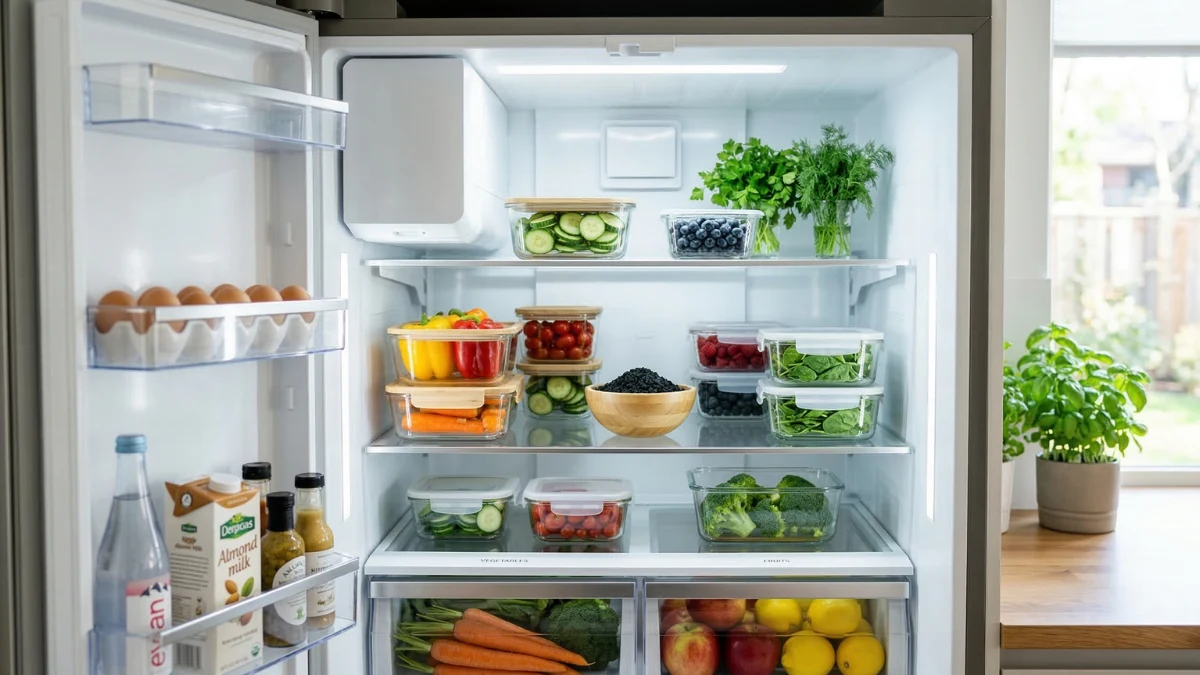
Opening the refrigerator door should be an experience of fresh, crisp air, not an aromatic guessing game of last week’s leftovers mixed with that forgotten container of garlic sauce. When it comes to kitchen appliances, the ultimate goal isn’t a fridge that smells like artificial lemons, heavy floral perfumes, or vanilla extract. The true pinnacle of a clean kitchen is a refrigerator that smells like absolutely nothing.
Grab a warm cup of coffee, settle in, and let’s dive into the ultimate, no-nonsense guide to achieving a completely scent-free refrigerator. This is about tackling the root causes of odors, employing science-backed neutralization methods, and maintaining a pristine environment for your groceries.
The Science of Refrigerator Odors: Why “Nothing” is Hard to Achieve
Before scrubbing shelves, it is essential to understand what causes these stubborn smells. Food emits volatile organic compounds (VOCs). When you place half an onion, a piece of strong cheese, or a bowl of leftover chili into a closed, cold environment, those VOCs circulate. Because a refrigerator is a sealed box, these odor molecules have nowhere to go. They eventually settle into the plastic walls, the rubber door seals, and even the ice maker.
Cold temperatures merely slow down the spoiling process; they do not stop it. Bacteria and mold can still thrive in a chilly environment, especially if there is excess moisture from unwashed produce or minor spills. Masking these odors with chemical air fresheners is a terrible idea for food safety and flavor. The only way to achieve zero odor is through total elimination and continuous absorption.
Step 1: The Ruthless Purge and Deep Clean
You cannot organize or deodorize your way out of a fundamentally dirty fridge. Achieving a state of “nothingness” requires a reset.
The Purge
Start by taking every single item out. Yes, everything. Place highly perishable items in a cooler with ice packs. This is the moment to be completely ruthless. Toss out expired condiments, wilted greens, and leftovers that have passed the point of no return. If you cannot identify what is inside a container, it goes straight into the trash.
The Deep Clean Procedure
Once the fridge is empty, resist the urge to use harsh chemicals like bleach. Bleach can linger and contaminate food. Instead, rely on natural, food-safe cleaning agents.
- Remove Removable Parts: Take out all drawers, shelves, and bins. Let glass shelves sit on the counter to reach room temperature before washing them with warm water; otherwise, the thermal shock might shatter them.
- The Cleaning Solution: Mix equal parts distilled white vinegar and warm water, with a small drop of mild dish soap. Vinegar is exceptional at breaking down grease and neutralizing alkaline odors without leaving a permanent scent behind.
- Scrubbing: Wipe down the entire interior, working from the top down so crumbs and drips fall to the bottom.
- The Hidden Culprits: If you browse through real user experiences on communities like Reddit’s r/CleaningTips, a recurring theme emerges: many people scrub the main shelves but completely forget the rubber door gaskets. These folds collect crumbs, spills, and moisture, becoming a breeding ground for mold. Use an old toothbrush dipped in the vinegar solution to gently scrub inside the rubber seals.
Step 2: Targeting Hidden Odor Traps
Sometimes, the interior is sparkling clean, but a mysterious smell persists. This usually points to hardware issues that are frequently overlooked.
The Drip Pan
Most refrigerators have a drip pan located underneath or behind the unit. This pan catches condensation from the defrost cycle. If dust, pet hair, and moisture mix in this warm environment, it produces a foul, sour odor that drifts up into the kitchen and the fridge itself. Consult your appliance manual to locate it, slide it out carefully, wash it with soapy water, and dry it completely before replacing it.
The Water Filter
If your fridge dispenses water and ice, it has a filter. A very old, clogged filter can introduce a metallic or swampy smell to your ice cubes, which then affects the overall scent of the freezer and fridge compartments. Changing the filter every six months is standard practice for maintaining a crisp, clean environment.
Step 3: Implementing Odor Absorbers (The Right Way)
Now that the source of the odors is gone, you need a system to catch new VOCs before they settle.
The Baking Soda Mistake
Everyone knows about putting a box of baking soda in the fridge. However, simply opening the top of a small cardboard box is highly inefficient. Baking soda (sodium bicarbonate) works by neutralizing acidic and alkaline odor molecules, but it needs surface area to do its job. To do this correctly, pour a thick layer of baking soda onto a small, shallow plate or a wide bowl. This maximizes the surface area exposed to the air. Replace it every 30 days.
The Ultimate Upgrade: Activated Charcoal
For a truly scent-free environment, activated charcoal is vastly superior to baking soda. Activated charcoal is highly porous; a single gram has a surface area of over 3,000 square meters. It acts like a sponge, trapping odor molecules inside its microscopic pores.
You can purchase activated charcoal bags designed specifically for refrigerators. Many home cooks and culinary professionals highly recommend this swap. Unlike coffee grounds—which some people use but which leave the fridge smelling heavily of roasted coffee—activated charcoal leaves absolutely zero scent behind.
Step 4: Smart Food Storage Habits
Maintaining a smell-free fridge is a daily practice. How you store your food dictates how your appliance will smell tomorrow.
- Ditch the Original Packaging: Cardboard egg cartons and paper berry baskets absorb smells and moisture. Transfer these items to washable, reusable containers.
- Invest in Glass: Plastic storage containers absorb odors over time. If you constantly store garlic-heavy meals in plastic, the container itself will permanently smell, transferring that odor to the fridge. Glass containers with airtight silicone seals are the golden standard for a pristine kitchen.
- Isolate the Offenders: Onions, garlic, strong cheeses, and cured meats need special attention. Keep them in dedicated, exceptionally tight containers. Some cheese lovers use specialized cheese vaults that allow the cheese to breathe without letting the scent escape into the main cabin.
- Manage Ethylene Gas: Certain fruits, like apples and bananas, emit ethylene gas as they ripen, which causes neighboring vegetables to rot faster. Keep ethylene producers in a separate drawer from ethylene-sensitive produce like leafy greens.
Step 5: Temperature and Airflow Management
A properly functioning refrigerator manages odors naturally through consistent temperatures and good airflow. Food storage guidelines recommend keeping your refrigerator temperature at or below 40°F (4°C). Anything warmer encourages rapid bacterial growth, which instantly leads to bad smells.
Furthermore, do not overpack the shelves. Cold air needs room to circulate freely around the food. If every square inch is jammed with containers, the air stagnates, cooling becomes uneven, and warm spots develop—leading to rapid spoilage and, consequently, terrible odors.
Frequently Asked Questions About Fridge Maintenance
Can I use essential oils to make my fridge smell good? It is highly recommended to avoid this. Essential oils are volatile compounds. While lemon or peppermint might smell nice in your living room, these scents will easily transfer to the fats in your food. Nobody wants their butter or milk tasting like eucalyptus. Stick to the goal of “nothingness.”
Why does my freezer smell like stale air? Freezers suffer from odors just like refrigerators, often due to “freezer burn” and exposed ice. When ice cubes sit for too long, they absorb the ambient odors of the freezer. Empty the ice bin completely, wash it out, and let the fridge produce a fresh batch. Ensure all frozen foods are tightly double-wrapped.
How often should I do a deep clean? A full purge and wipe-down should happen once a season (every three months). However, spot cleaning spills immediately and doing a quick 5-minute inventory check before grocery shopping every week will prevent the need for exhausting deep cleans.
Achieving a refrigerator that smells like absolutely nothing is not just about aesthetics; it is about respecting the ingredients you buy and prioritizing hygiene. By understanding how odors form, using the right absorption tools like activated charcoal, and adopting smart storage habits, you can ensure that every time you open that door, you are greeted by nothing but fresh, crisp, perfectly chilled air.