

The “Boiling Water and Salt” Drain Hack: What Plumbers Actually Want You to Know in 2026
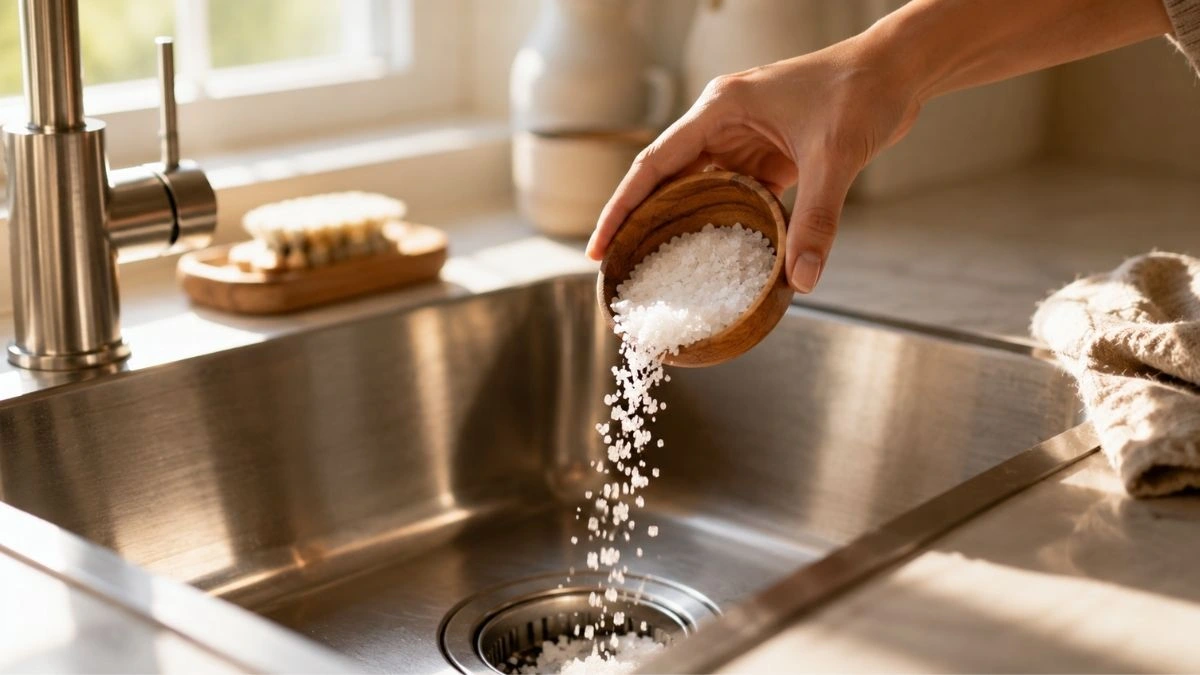
We have all been there. You finish cooking a wonderful dinner, start washing the dishes, and suddenly notice the water is taking entirely too long to disappear down the sink. A sluggish kitchen drain is a universal frustration that can disrupt the flow of any busy household. Before you rush to the store to purchase harsh chemical drain cleaners—which can damage your plumbing and introduce toxic fumes into your home—there is a simple, highly effective method sitting right in your pantry: boiling water and salt.
Recently, this method has gained massive traction across social media and home-improvement blogs as an eco-friendly alternative. But does it actually work, or is it just another internet myth? The consensus from both experienced homeowners and professional plumbers is that it works incredibly well for specific types of kitchen clogs. However, if you execute it incorrectly, especially with modern plastic pipes or delicate sink materials, you could develop a serious and expensive plumbing issue.
Here is the ultimate, updated guide to safely utilizing the boiling water and salt method to clear your sluggish drains, complete with the crucial safety warnings you need to know for 2026.
The Root Cause of Sluggish Kitchen Drains
To understand why this natural method is so effective, we first need to understand what causes the blockage in the first place. Kitchen sinks rarely get clogged by hair or large foreign objects. Instead, they fall victim to FOG: Fats, Oils, and Grease.
When you wash greasy pans, buttery plates, or oily cutting boards, the warm tap water carries the fat down the drain. As that fat travels further into the plumbing system, it begins to cool down. Once it cools, it solidifies, coating the inner walls of your pipes. Over time, this sticky layer catches small food particles, coffee grounds, and soap scum. Slowly but surely, this builds up, narrowing the pipe’s diameter until the water can barely pass through, resulting in that dreaded sluggish drain.
The Science: How Heat and Salt Form a Solution
You might wonder why you need salt if the hot water is doing the heavy lifting. The combination of these two everyday items forms a powerful, natural scouring system that targets the exact nature of kitchen clogs.
- The Heat: Boiling water lowers the viscosity of the solidified fats and oils. It essentially melts the grease back into a liquid state, allowing it to easily flow through the plumbing system.
- The Salt: Salt acts as a gentle, natural abrasive. When you pour coarse salt down the drain, it provides essential friction. As the hot water pushes the salt through the pipes, the sharp edges of the salt crystals physically scrape away the softened grease and biofilm clinging to the pipe walls. Additionally, the high salinity helps break down certain organic matter and eliminates unpleasant odors causing a foul smell in your kitchen.
By using this combination, you avoid the highly corrosive nature of commercial chemical cleaners, which can erode metal pipes over time and harm the local groundwater supply.
The Step-by-Step Guide to the Method
Executing this task requires a bit of patience and precision. Simply dumping salt and hot water simultaneously will not yield the best results. Here is the professional, step-by-step way to execute this trick:
- Clear the Area: Use a cup or a highly absorbent sponge to remove any standing, stagnant water from the sink basin. The hot water needs direct access to the drain; if it mixes with a pool of cold water, it will rapidly lose its heat and effectiveness.
- Pour the Salt: Pour about half a cup (100 to 150 grams) of coarse salt directly into the drain hole. Coarse sea salt or rock salt works slightly better than fine table salt because the larger crystals provide more abrasive action before dissolving. Let the salt sit in the drain for a few minutes.
- Prepare the Water (With Caution): Boil about two to three liters of water in a standard kettle or a large kitchen pot.
- The Staged Pour: Do not pour all the water at once. Pour half of the hot water slowly into the drain. This initial pour serves to soften the clog and activate the salt’s abrasive movement. Wait exactly two minutes to let the heat penetrate the grease layer.
- The Second Pour: Pour the remaining hot water down the drain. This second wave flushes away the heavy debris that the first wave loosened.
- The Final Flush: Turn on your kitchen faucet to the hottest possible setting and let the water run for a full minute. This ensures that the melted grease is carried all the way out of your home’s plumbing system and into the main sewer line, rather than just solidifying further down your pipes.
Crucial 2026 Plumbing Warnings: Protect Your Home
While this method is entirely eco-friendly, modern plumbing requires modern precautions. Over the last year, plumbers have highlighted a few critical warnings you must keep in mind before attempting this trick to avoid costly damage.
Beware of PVC and Plastic Pipes
Older homes often feature robust metal plumbing, which can withstand boiling water effortlessly. However, many modern homes utilize PVC (polyvinyl chloride) or CPVC pipes under the sink. Boiling water (100°C / 212°F) exceeds the safe temperature limit for standard PVC pipes. If poured directly and frequently, extreme heat can soften, warp, or cause joint failure in plastic plumbing.
The Fix: If you have plastic pipes under your sink, do not use water straight off a rolling boil. Let the kettle rest for about 30 to 60 seconds after boiling before you pour. This slight drop in temperature is still hot enough to melt grease but safe enough to protect your plastic joints from structural damage.
Porcelain and Ceramic Sink Risks
If you have a beautiful farmhouse-style ceramic or porcelain sink, pouring boiling water directly onto the basin can cause immediate thermal shock. The rapid temperature change from a cold room to boiling water can instantly crack the sink, leading to a devastating and expensive replacement.
The Fix: Always pour the water directly down the stainless steel drain hole. Using a heat-safe silicone funnel is an excellent way to ensure you avoid splashing the boiling water onto the cold ceramic surface.
Insights from the Reddit Community
If you spend any time browsing home maintenance subreddits like r/CleaningTips or r/HomeImprovement, you will see this method discussed extensively. Real-world experiences from the community offer some valuable modifications to the basic trick.
Many users report that adding a heavy squirt of dishwashing liquid into the drain alongside the salt synthesizes a much stronger degreasing effect. Because dish soap is formulated specifically to bind to oil and water, it helps the boiling water carry the melted fat away more efficiently.
Another popular community tip is to ensure you are doing this as a preventative measure rather than an emergency fix. Users who wait until the sink is completely blocked often find that the hot water cannot reach the clog effectively. Performing this routine once a month keeps the pipes flawlessly clear before a major issue can build up.
When to Skip This Method
It is equally important to recognize the limitations of this hack. You should entirely skip the boiling water and salt method if:
- You Have a Hair Clog: This is a common issue in bathroom sinks and showers. Heat and salt will not dissolve human or pet hair. You will need a mechanical tool, like a barbed drain snake, to physically pull the hair out.
- The Drain is Completely Blocked: If water is absolutely not draining at all, a solid object (like a small piece of plastic, a fruit pit, or a massive food chunk) might be lodged in the pipe. Hot water will simply sit on top of it and cool down.
- You Are Dealing with a Toilet: Never pour boiling water into a toilet bowl. The thermal shock will almost certainly crack the delicate porcelain, and salt will not clear a typical toilet blockage.
Preventative Habits for Healthy Drains
Ultimately, the best way to fix a sluggish drain is to prevent it from developing in the first place. Adopting a few simple, daily kitchen habits will save you significant time and frustration:
- Never Pour Grease Down the Drain: After cooking ground beef, fried foods, or heavy oils, never let the leftover fat go down the sink. Instead of throwing used cooking oil in the trash—which is wasteful and harmful to the environment—collect it in a sealed container and take it to a local waste oil recycling facility. For tiny amounts of leftover pan grease, simply wipe the pan thoroughly with a paper towel before washing.
- Use a Sink Strainer: A high-quality stainless steel mesh strainer catches food scraps, rice grains, and coffee grounds before they enter your plumbing. Empty it into the compost or trash daily.
- Run Hot Water After Washing: Every time you finish doing the dishes, run the hot tap water for 10 to 15 seconds to flush any residual oils out of the immediate plumbing area.
Maintaining your home does not always require expensive tools or harsh, toxic chemicals. By understanding the physics of your plumbing and utilizing natural abrasives like salt, you can construct a highly effective cleaning routine that keeps your kitchen running smoothly. Just remember to check your pipe material, respect the temperature limits, and make this simple procedure a part of your monthly kitchen maintenance.