Overwatering, not neglect, is the most common reason houseplants die. Most people water on a fixed routine — every Monday, every few days — without ever checking what the soil is actually doing underneath the surface. That single habit, more than forgetting, is quietly behind root rot, yellowing leaves, and plants that never quite thrive. The fix takes about ten seconds and needs nothing from a garden centre.
Why “Watering Day” Is Quietly Working Against You
According to University of Illinois Extension, watering on a calendar rarely works, because pot size, plant type, humidity, and light all change how quickly soil actually dries. A plant by a bright summer window drinks far faster than the same plant tucked into a dim winter corner — even if it is the exact same species.
That means two identical-looking plants on the same shelf can need water on completely different days. A schedule cannot account for that, and neither can the leaves alone: wilting often signals thirst, but it can just as easily be a sign of overwatered, suffocating roots. Only the soil itself tells the real story.
The Ten-Second Check to Do First
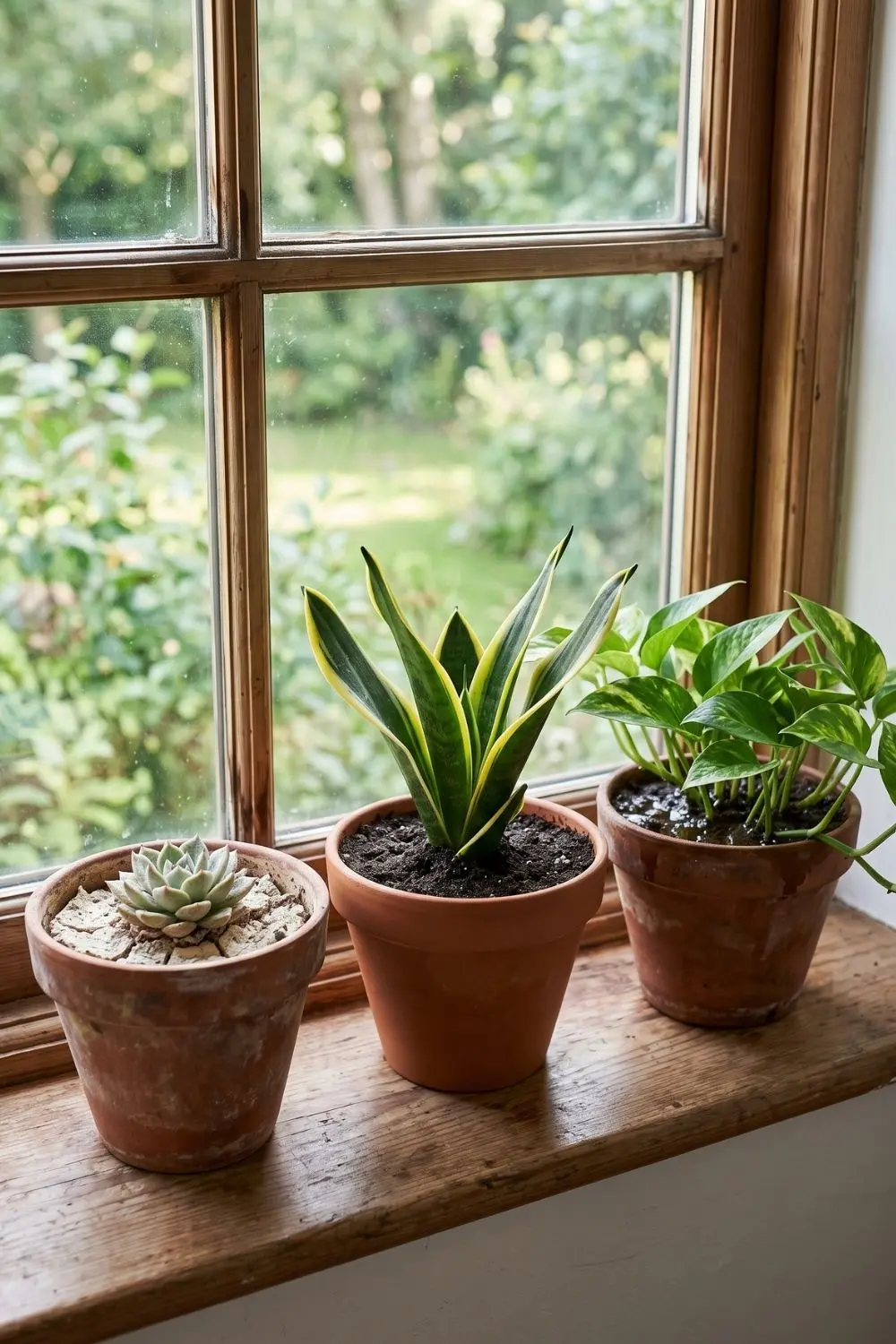
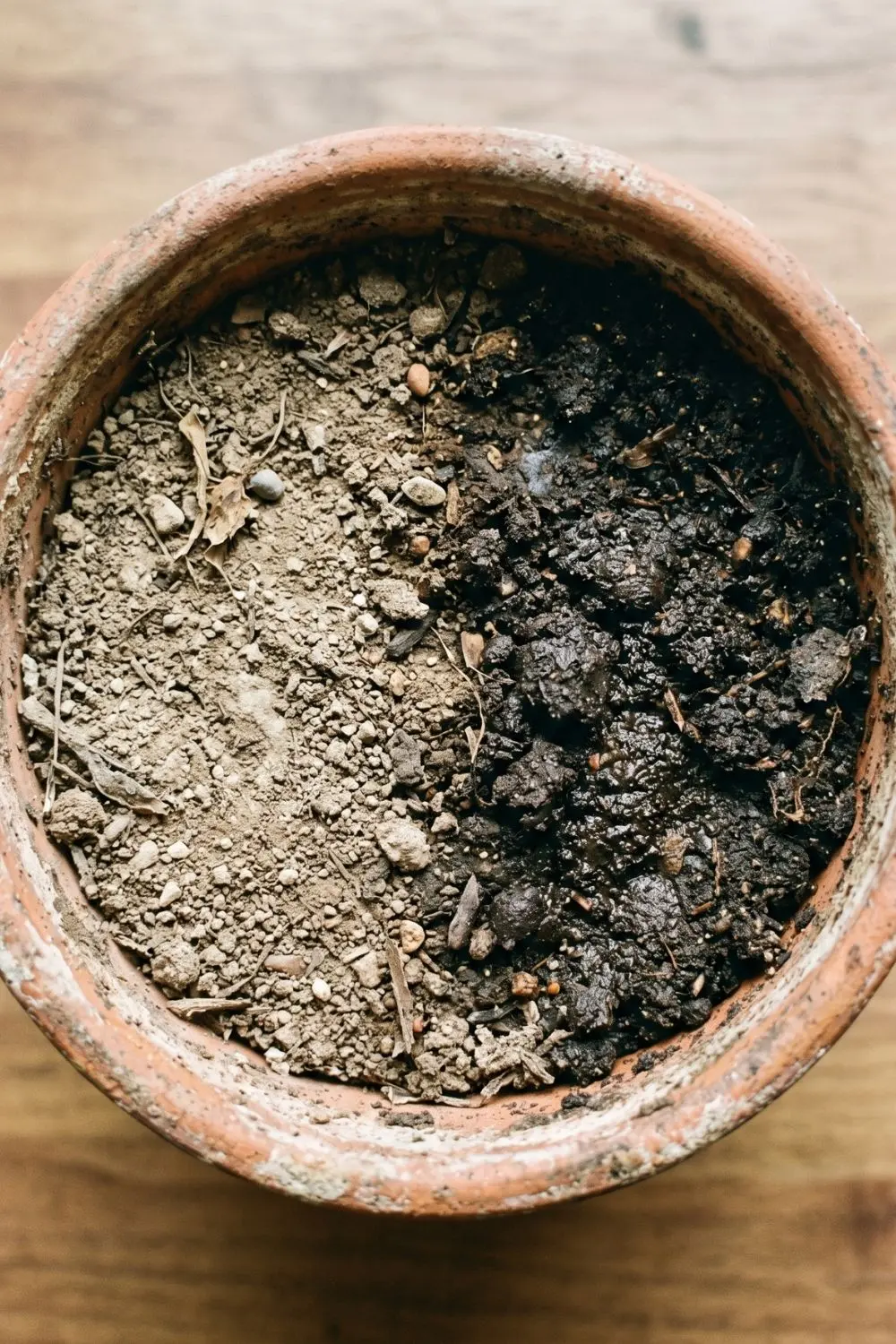
Before reaching for the watering can, press a clean finger about two inches into the soil, roughly to the first knuckle. If it feels dry at that depth, it is time to water. If it still feels cool and slightly damp, wait and check again the next day.
For larger pots — eight inches across or more — go a little deeper, closer to three inches, since the top layer always dries first while the roots sit further down. Pot material matters here too: porous terracotta releases moisture into the air faster than plastic or glazed ceramic, so two plants in different pots can dry at noticeably different speeds even side by side.
The Backup Trick When Fingers Aren’t Enough
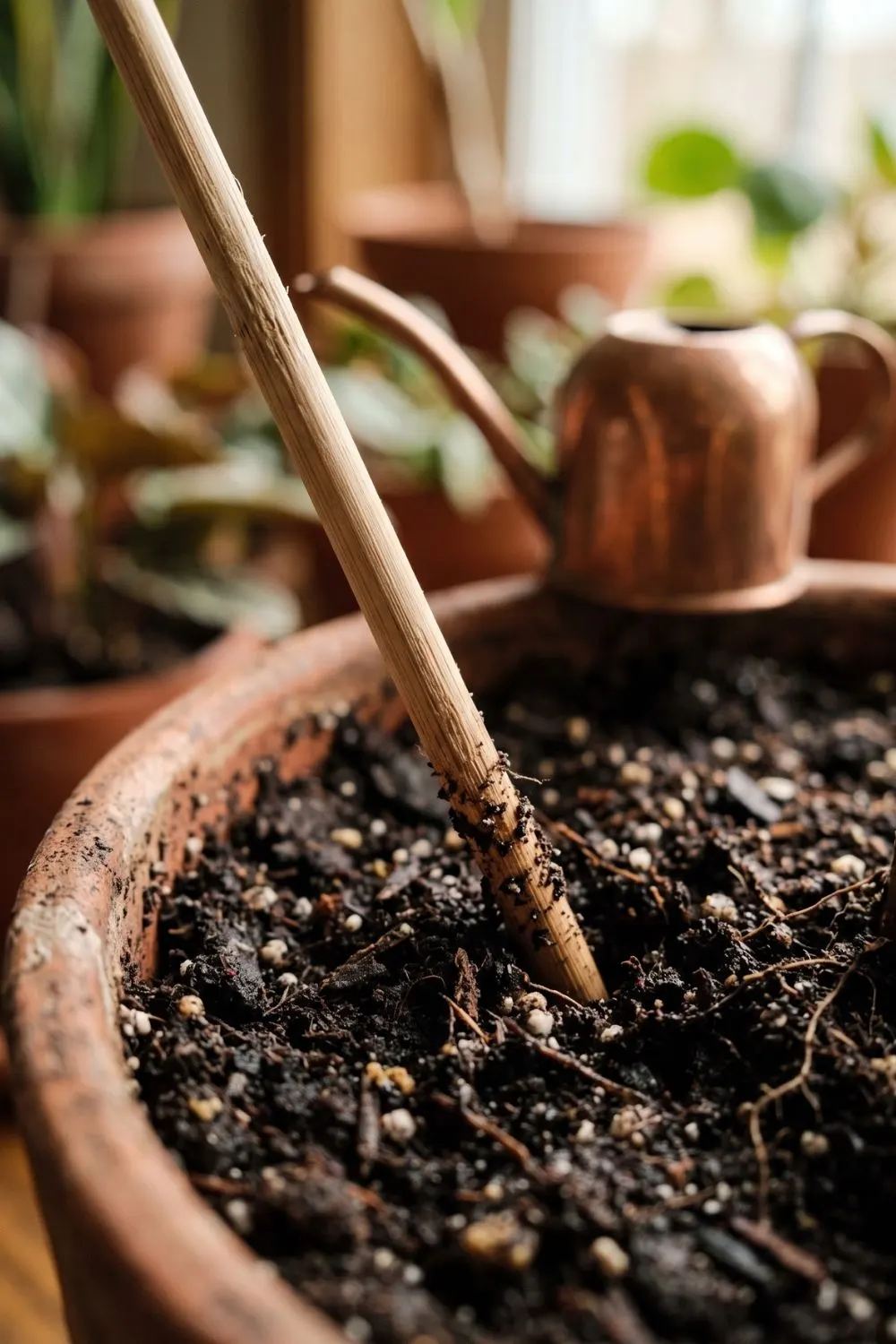
For deep planters, dense root balls, or anyone who would rather not get soil under their nails, a thin wooden skewer or dowel works just as well. Insert it at a slight angle a couple of inches from the stem, push it gently down near the bottom of the pot, leave it a moment, then pull it back out.
A skewer that comes out clean and dry means the plant is ready for water. One that comes out cool, darkened, or with soil clinging to it means the roots are still satisfied. Gardening Know How recommends this exact method for reading moisture below the surface, particularly useful on older, compacted soil where a finger alone cannot reach far enough to tell the full story.
Myth vs. Reality
Myth: If the surface of the soil looks dry, it is time to water.
Reality: The top inch dries fastest and can be misleading, especially in winter, when cold soil often feels deceptively damp even though the roots below are bone dry. Checking depth, not appearance, is what actually prevents both over- and underwatering.
One More Backup: The Pot-Weight Trick
Once a plant has been watered and checked a few times, its dry weight becomes familiar. A pot that suddenly feels far lighter than usual is asking for water, even before the soil looks obviously dry. This is especially useful for hanging baskets and large floor plants, where reaching the soil itself is awkward.
It also matters for decorative pots without a drainage hole. The safest habit is to keep the plant in its plastic grow-pot and simply set that inside the decorative one, lifting it out to water and check rather than guessing through a sealed container that has nowhere for excess water to go.
What “Watered Properly” Actually Looks Like
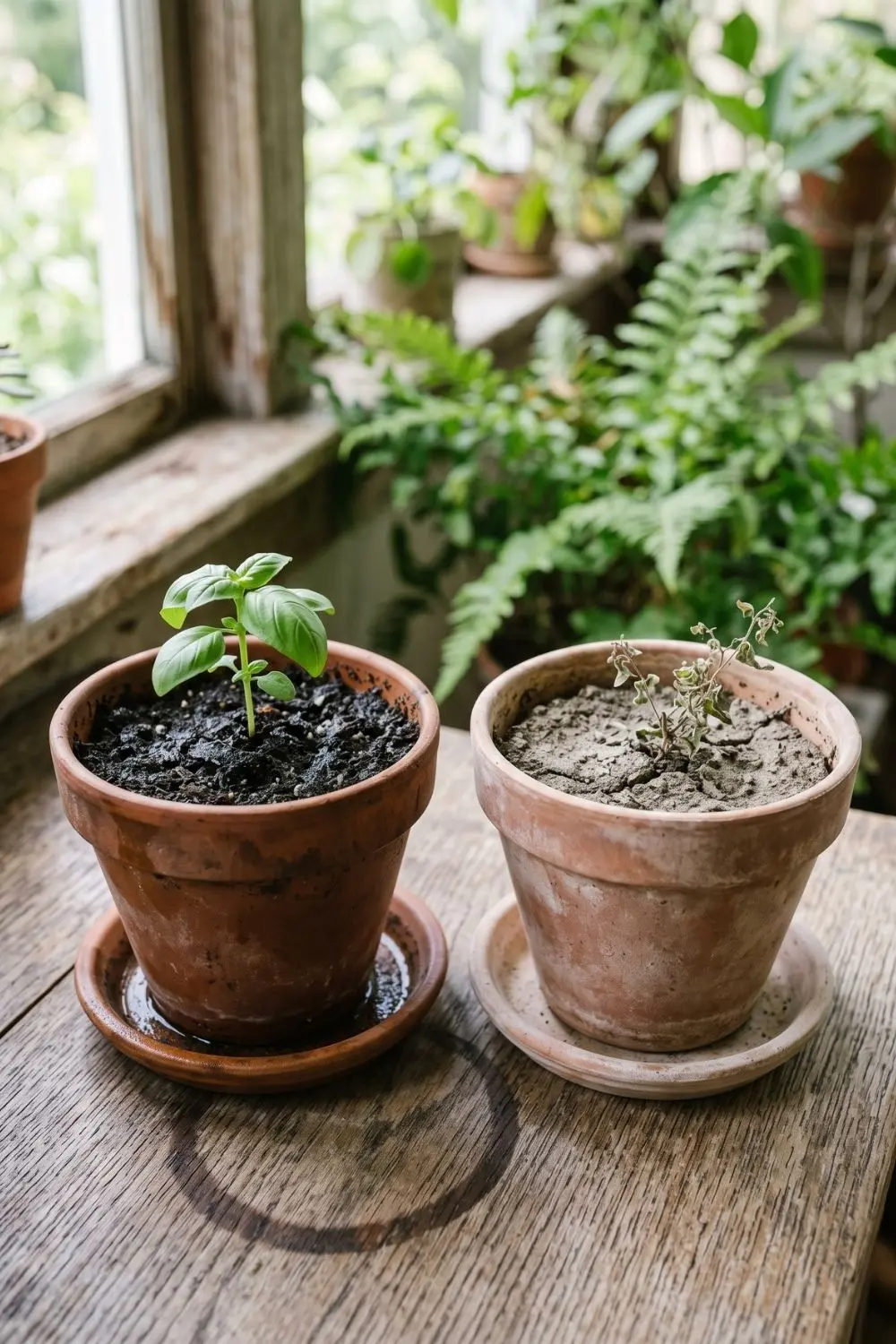
Checking the soil is only half the habit. When the test says yes, water slowly and thoroughly until it runs from the drainage holes, then empty the saucer so the roots are never left standing in it. For very dry, compacted soil that resists absorbing water from the top, bottom watering works well: set the pot in a few inches of water in a sink or basin and let it draw upward until the surface turns visibly damp.
Some plants make the wait obvious before any test is needed — pothos, peace lilies, and spider plants will visibly droop when genuinely thirsty, then perk back up within hours of a proper soak.
The same plant can also need a completely different rhythm depending on the season. A pothos that wants checking every few days in a bright, warm summer room may comfortably go two weeks between waterings once winter light and central heating slow its growth right down — which is exactly why a fixed schedule keeps failing, no matter how carefully it is followed.
Make It a Habit, Not a Memory Test
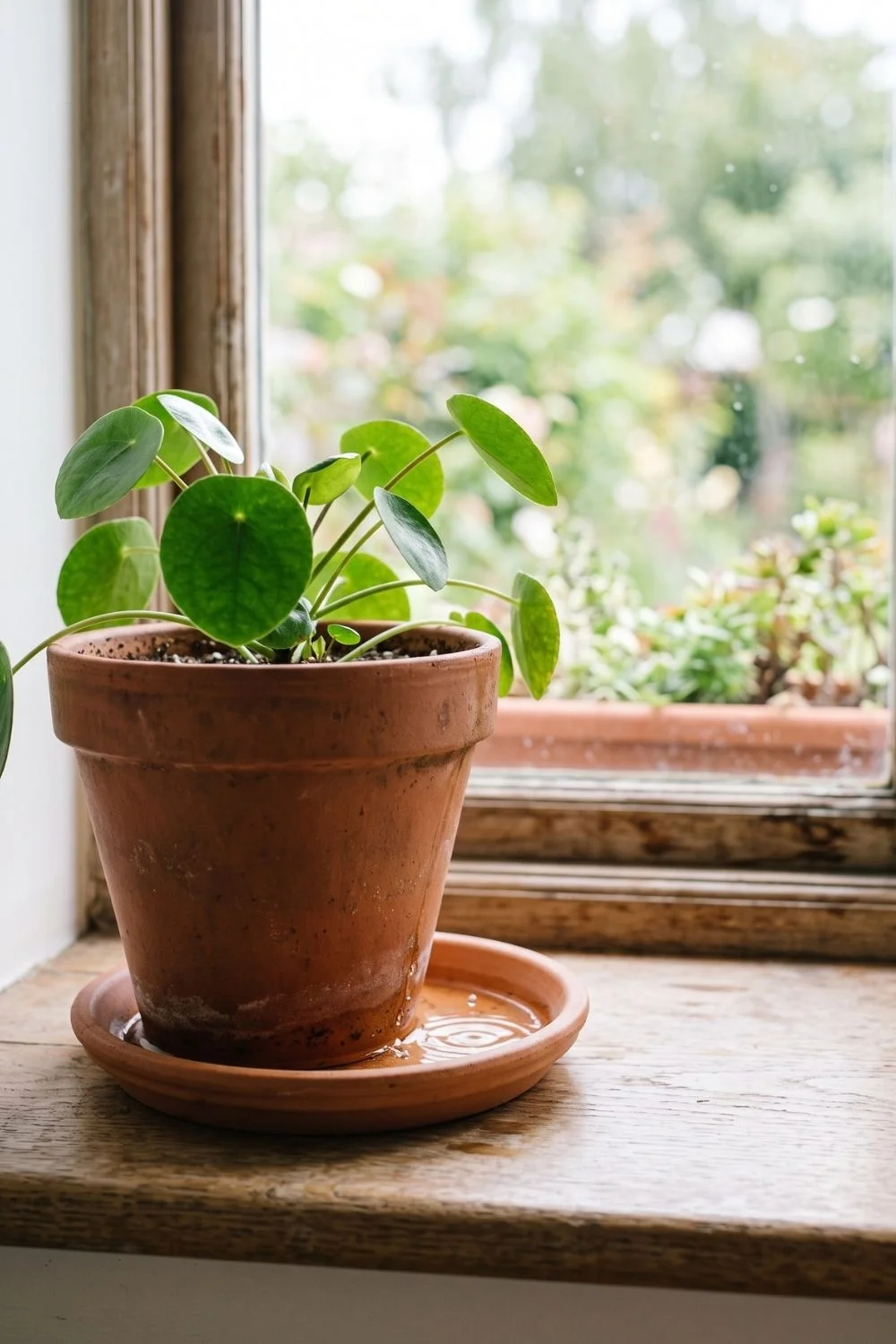
Try this for the next three times a plant looks like it might need water: check first, water second. No single method needs to be used alone — many experienced growers combine a quick finger check with an occasional skewer or weight check, simply because the two confirm each other.
It is a small pause before an old habit, but it is the difference between a plant that survives and one that genuinely thrives.
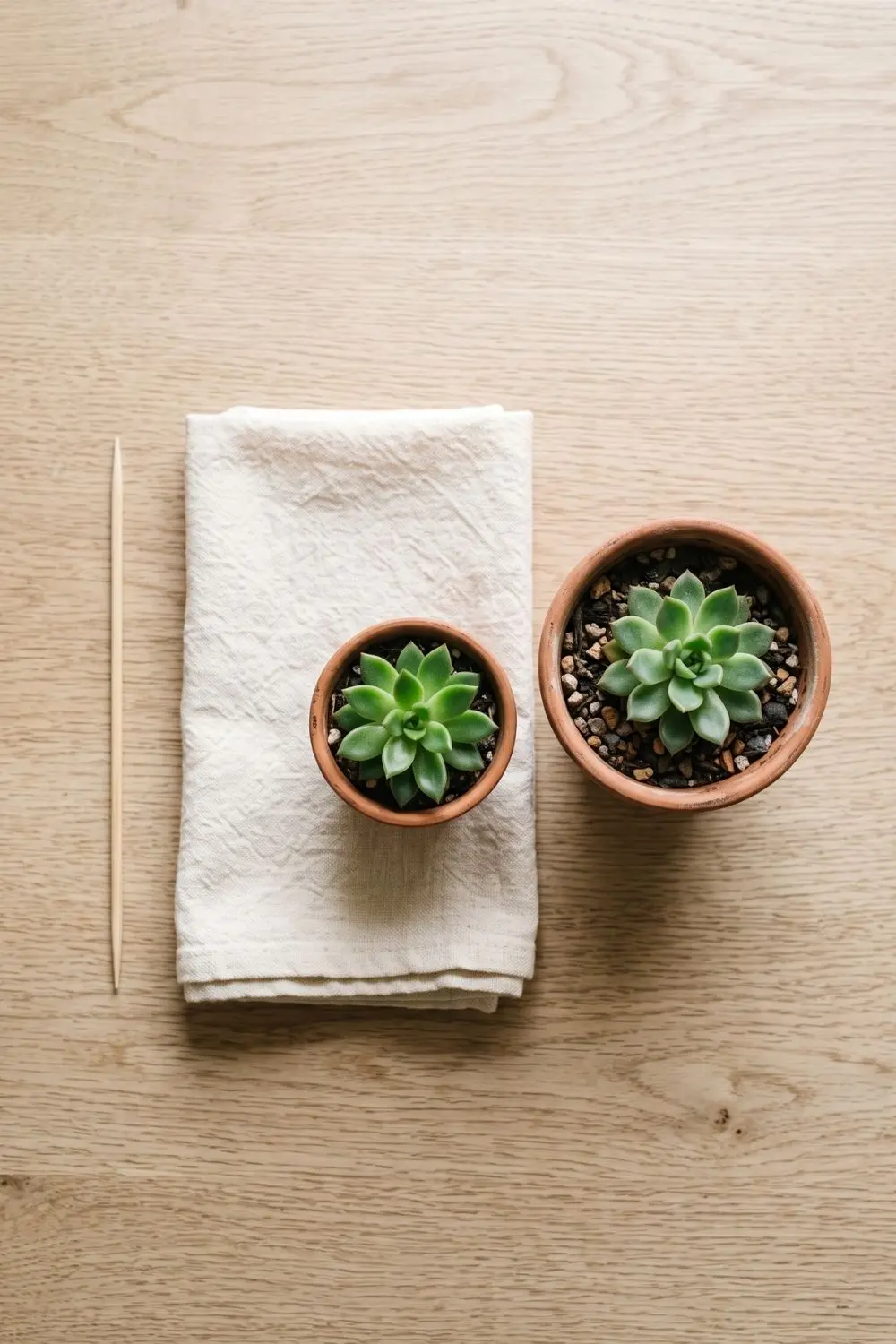
About These Images
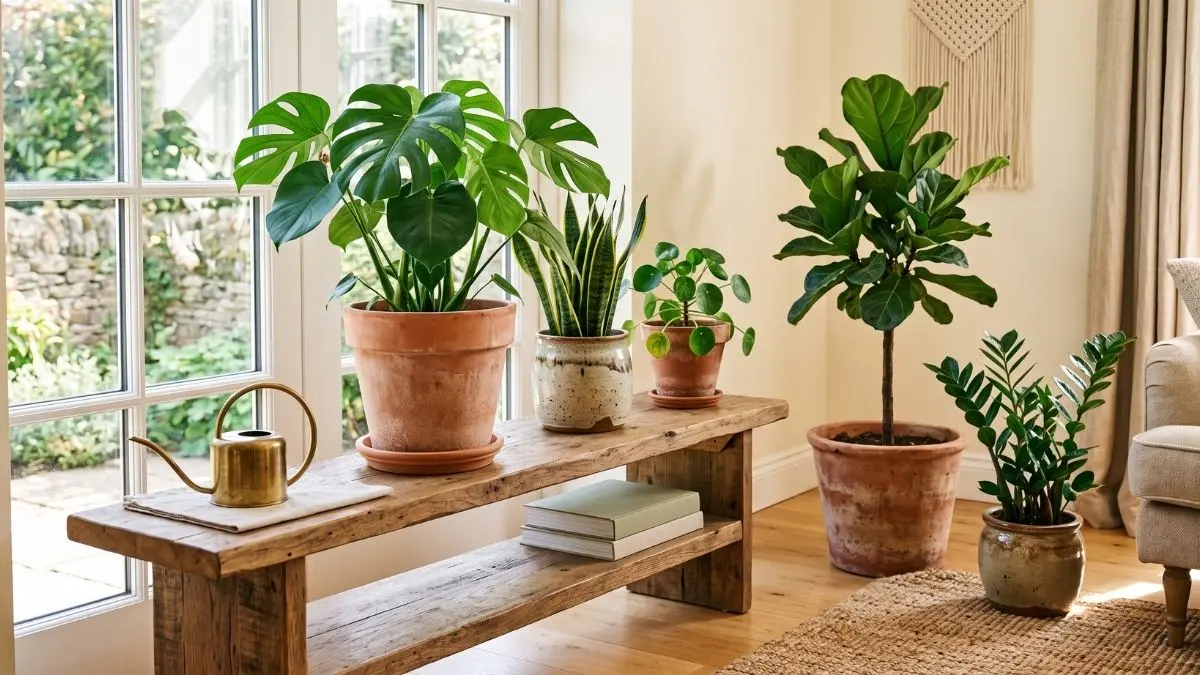
The plants, pots, and soil shown throughout this post are concept visuals produced for illustrative purposes. Soil colour, texture, and moisture appearance can vary by plant species, potting mix, and pot material, so always check your own plant’s specific watering needs rather than relying on visual cues alone.