

How to Hack Your Tupperware with Oil to Prevent Tomato Stains
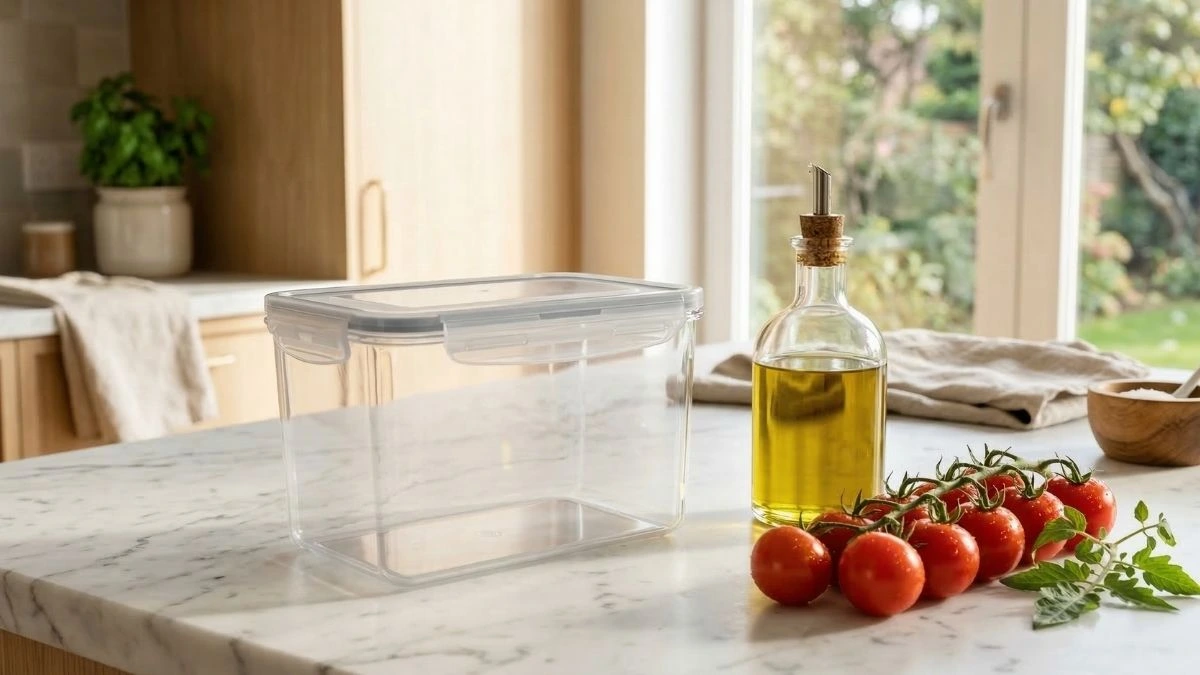
Grab your favorite cup of coffee, settle into a comfortable spot, and let’s talk about one of the most persistent, universally shared kitchen frustrations: the dreaded orange-stained plastic container. You know the exact scenario. You spend your Sunday afternoon lovingly preparing a rich, deeply flavorful bolognese sauce or a comforting batch of chili. You carefully portion the leftovers into your pristine, clear plastic storage containers, feeling incredibly organized and ready for the week ahead.
Then, disaster strikes. After you finish your lunch the next day and go to wash the container, you are left with a stubborn, cloudy, orange-tinted ring that refuses to budge, no matter how much scrubbing you do. The container never looks clean again, forever marked by the ghost of Monday’s lunch.
It is a remarkably annoying phenomenon that ruins perfectly good kitchenware. However, you do not have to accept defeat. Today, we are diving deep into a simple, highly effective kitchen hack that forms an invisible shield between your food and your containers. By using a basic pantry staple—cooking oil—you can completely prevent these stubborn tomato stains from taking hold. Let’s break down the science of why this happens, exactly how to execute the oil hack, and explore what real home cooks have to say about keeping their storage containers looking brand new.
The Science: Why Do Tomatoes Attack Plastic?
To understand how to defeat the enemy, we first need to understand how the enemy operates. The culprit behind the bright red or orange staining is a naturally occurring chemical compound called lycopene. Lycopene is a carotenoid—the pigment responsible for giving tomatoes, watermelons, and red bell peppers their vibrant coloring.
While lycopene is a fantastic antioxidant and incredibly beneficial for your health, it is an absolute nightmare for plastic storage containers. The problem lies in the chemical properties of both the food and the vessel. Lycopene is fat-soluble and hydrophobic, meaning it repels water but binds exceptionally well with fats and oils.
Most everyday plastic food storage containers (like standard Tupperware) are made from polypropylene or similar polymers. On a microscopic level, these plastics are highly porous. They are essentially full of tiny little holes. When you put a hot, tomato-based sauce into one of these containers, the heat causes the plastic to expand, opening those microscopic pores even wider.
Because plastic is manufactured from petroleum (which is inherently oily), the fat-soluble lycopene is naturally drawn to it. The tomato pigment seeps directly into the expanded pores of the warm plastic. Once the container cools down, or once you wash it with cold water, the plastic contracts, permanently trapping the red pigment inside the walls of the container. No amount of standard dish soap or aggressive scrubbing sponge can reach inside those microscopic polymer structures to pull the pigment back out.
The Oil Hack: Your Kitchen Savior
Knowing that lycopene is naturally drawn to the oily structure of plastic, the solution is beautifully simple: you need to provide a sacrificial barrier. You need to give the tomato pigment something else to cling to so it never reaches the walls of your container.
This is where the oil hack comes into play. By coating the inside of your plastic container with a thin layer of cooking oil before you add your food, you form a protective lipid barrier. The fat-soluble lycopene will bind to this surface layer of oil instead of seeping into the porous plastic. When it is time to do the dishes, the protective oil layer washes away easily with warm, soapy water, taking all the red pigment right down the drain with it.
Step-by-Step Execution for Flawless Results
Achieving a spotless container requires a little bit of technique. Here is the best way to execute this method effectively:
Step 1: Start with a completely clean and dry container. Moisture is the enemy of oil. If your container is even slightly damp, the oil will not adhere properly to the plastic sides, leaving vulnerable gaps where the tomato sauce can penetrate. Ensure the vessel is bone dry.
Step 2: Apply a light, even coating of oil. You have a few options here. The absolute easiest method is to use a non-stick cooking spray (like canola or olive oil spray). Simply give the inside of the container a quick, light spritz, ensuring you hit the corners and the sides where the sauce will sit.
If you prefer not to use cooking spray, you can easily use liquid oil. Pour about half a teaspoon of olive oil, avocado oil, or sunflower oil into the container. Take a clean paper towel and rub the oil all over the interior surfaces, wiping away any excess. You only need a microscopic film; you do not want your food swimming in extra grease.
Step 3: Cool your food before storing. As we established, heat causes the pores in the plastic to expand. Even with your oil barrier in place, pouring boiling hot soup directly into plastic is risky. Allow your chili, pasta sauce, or curry to cool down to room temperature in the cooking pot before transferring it to your freshly oiled container.
Step 4: The Reheating Rule. This is the most critical step. The oil hack works perfectly for storage. However, if you take that plastic container to work and microwave it until it is bubbling hot, the extreme heat will melt the plastic slightly, breaking the oil barrier and baking the lycopene right into the walls. Never microwave tomato sauce in plastic. Always transfer your food to a ceramic plate or a glass bowl before heating it up.
Choosing the Right Oil for the Job
When it comes to this hack, not all oils yield the same results. You want to choose an oil with a neutral flavor profile that will not solidify entirely in the refrigerator.
- Non-Stick Cooking Sprays: These are generally considered the gold standard for this hack because they distribute an incredibly fine, perfectly even mist. Many cooking sprays also contain an emulsifier called soy lecithin, which acts as a fantastic protective coating.
- Olive Oil or Avocado Oil: These are excellent, healthy choices if you are using the paper towel wiping method. They are stable and readily available in almost every kitchen.
- Avoid Coconut Oil: Because coconut oil solidifies into a hard fat at cooler temperatures, it can form unpleasant, hard white chunks in your leftover pasta when stored in the fridge. Stick to oils that remain liquid when chilled.
The Consensus: Real Experiences from Home Cooks
When dealing with household hacks, it is always valuable to look beyond the theory and see how these methods perform in real, messy kitchens. Taking a look at popular online communities like Reddit’s r/Cooking and r/MealPrepSunday, you will find robust discussions about maintaining kitchenware.
Many users swear by the cooking spray method, noting that it saves them from having to replace their food storage sets every six months. One recurring piece of advice from the meal-prep community is that consistency is key: making the oil wipe-down a standard part of your clean-up and storage routine ensures you never accidentally ruin a container in a rush.
However, community discussions also highlight a very valid counter-point: washing away extra oil requires good dish soap and hot water to prevent the plastic from eventually feeling permanently greasy. To combat this, experienced home cooks recommend using a high-quality, grease-cutting dish liquid and avoiding cold-water rinses when washing plastics.
What to Do if the Damage is Already Done?
Perhaps you are reading this article a little too late, and you already have a cabinet full of orange-tinted bowls. Do not throw them away just yet. While the oil hack is preventative, the online cleaning community has developed several clever solutions for triage and stain removal.
The Viral Paper Towel Method If you frequent platforms like TikTok or read through r/CleaningTips, you have likely encountered this highly recommended strategy.
- Squeeze a generous amount of grease-cutting dish soap into the stained container.
- Add a little bit of warm water (not boiling, just warm).
- Tear up a single sheet of paper towel into a few pieces and drop them into the soapy water.
- Put the lid on tightly and shake the container vigorously for 45 to 60 seconds.
The friction of the paper towel bouncing around the inside of the container, combined with the concentrated dish soap, acts as a gentle abrasive that helps lift the trapped oils and pigments from the plastic walls. Many users report that this method works wonders for light to medium stains.
The Power of Sunlight If you have a particularly stubborn stain, nature provides a surprisingly effective bleaching agent: UV rays. Lycopene is photosensitive, meaning it breaks down when exposed to direct sunlight. After washing the stained container thoroughly, place it outside in direct, bright sunlight for a few hours. The UV light will gradually break down the chemical bonds of the pigment, causing the orange stain to fade away naturally.
The Baking Soda Paste For deep, set-in stains, a thick paste made of baking soda and a little water can act as a fantastic, odor-absorbing scrub. Coat the stained areas with the paste, let it sit for about 15 minutes, and then scrub it with a sponge. The mild abrasiveness of the baking soda helps buff away the top layer of discoloration without scratching the plastic.
To Upgrade or Not to Upgrade: The Glass Container Debate
While the oil hack is undeniably helpful, it does require building a new habit. For those who want a completely foolproof, zero-maintenance solution, the ultimate answer might be transitioning away from plastic entirely.
Glass food storage containers have surged in popularity, and for good reason. Glass is completely non-porous. It does not matter how hot your marinara sauce is, or how long you leave it in the fridge; glass will never absorb pigments or odors. You can safely microwave food directly in a glass container without any fear of chemical leaching or structural melting.
The transition to glass does come with a few drawbacks to consider. Glass is significantly heavier than plastic, which can make a difference if you are commuting on public transit with a lunchbox. It is also more fragile and generally more expensive upfront. However, given their longevity, durability, and complete immunity to tomato stains, many home cooks view glass containers as a permanent investment that pays off over time.
Final Thoughts for a Spotless Kitchen
Maintaining a clean, organized kitchen often comes down to understanding the little scientific interactions that happen every day. By understanding why lycopene binds to polypropylene, you can take smart, proactive steps to protect your kitchen investments.
Whether you choose to keep a can of cooking spray handy for a quick protective spritz, rely on the vigorous paper towel shaking method for post-dinner cleanups, or eventually decide to transition your pantry to fully glass storage, you now have the knowledge to win the battle against tomato stains.
Next time you cook up a giant batch of your famous homemade chili, you can portion out your leftovers with complete peace of mind, knowing your containers will emerge from the dishwasher looking as flawless and pristine as the day you bought them. Happy cooking, and even happier storing!