

The Ultimate “Shower Cap” Hack for Leftovers: A Frugal and Eco-Friendly Alternative to Cling Film
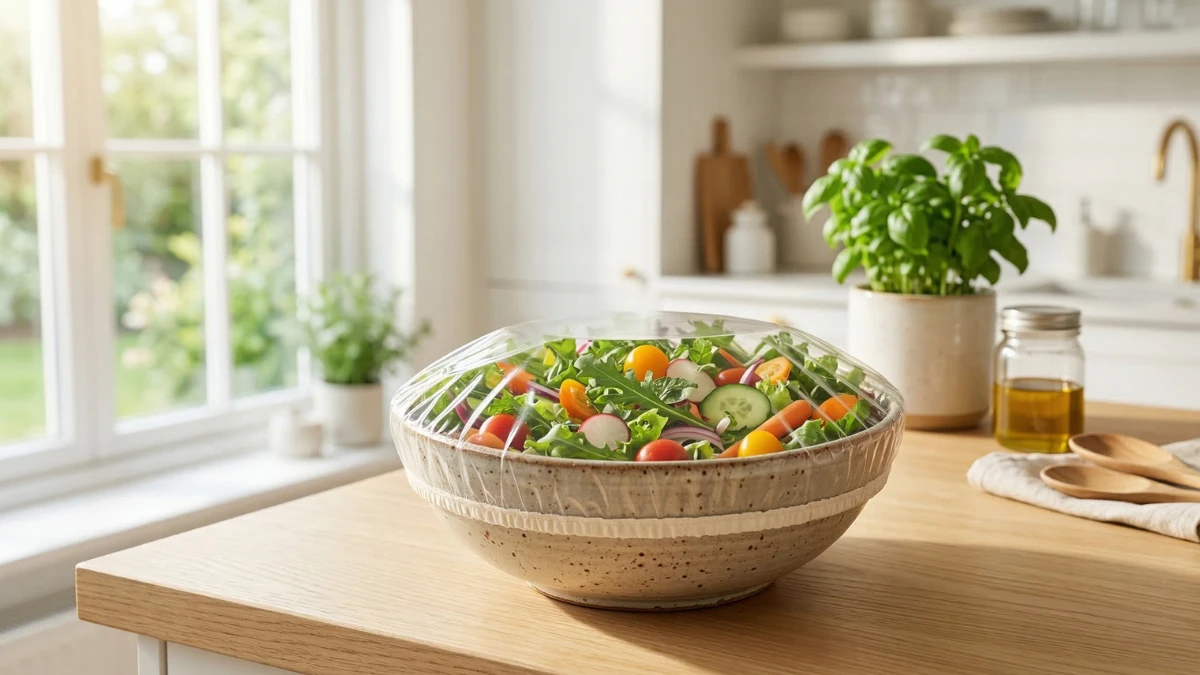
Picture this: dinner is finished, the dishes are piled up in the sink, and there is a half-eaten bowl of salad or a large plate of roasted vegetables left over. Reaching for the cling film usually results in a frustrating wrestling match with a thin sheet of plastic that folds onto itself, tears unevenly, and ultimately ends up in the trash a few hours later. It is a daily kitchen annoyance that produces unnecessary waste. But what if there was a simpler, highly effective, and entirely reusable solution sitting right in the beauty aisle? Enter the humble shower cap. Using shower caps to cover food containers is rapidly becoming a favorite household hack, offering a perfect seal without the environmental guilt or the physical struggle of traditional plastic wrap. It feels like chatting over a warm cup of coffee when discovering these simple, life-changing household tricks that just make perfect sense.
The Frustrating Reality of Traditional Cling Film
To understand why the shower cap trick is gaining such massive traction, it is essential to look at the drawbacks of standard plastic wrap. Cling film is typically made from polyvinyl chloride (PVC) or low-density polyethylene (LDPE). It is designed for single-use application, meaning it goes straight from the bowl to the landfill. According to data from environmental organizations like Plastic Oceans International, millions of tons of single-use plastics end up in landfills and oceans every single year. Beyond the environmental toll, plastic wrap is inherently frustrating to handle. It refuses to stick to certain materials like wood or slightly damp ceramic, and it rarely provides a truly airtight seal once it has been peeled back even once. It is an outdated tool in modern kitchens that strive for efficiency, sustainability, and ease of use.
How the Shower Cap Method Actually Works
The concept is brilliantly straightforward. A standard shower cap features a flexible, gathered elastic band designed to stretch over a head of hair and snap snugly around the hairline. When applied to a kitchen context, this same elastic band stretches perfectly over the rims of bowls, plates, pans, and even halved watermelons. The elastic provides a secure, tension-based grip that cling film simply cannot replicate. Because the plastic material of the cap is thicker and has a domed shape, it does not press down onto the food itself. This means frosted cakes, tall salads, and delicate pastries are protected without having their toppings ruined. Simply stretch the cap over the container, let the elastic snap into place under the rim, and place it in the refrigerator. It takes less than two seconds, zero tearing, and absolutely no frustration.
Community Insights: Real Discussions from Reddit
This method is not just a theoretical concept; it has been heavily tested and praised by practical communities online. On the popular Reddit community r/ZeroWaste, numerous discussions highlight this exact trick. Users frequently share their success stories, noting that while expensive silicone stretch lids can be finicky and require completely dry edges to grip properly, a cheap shower cap works on wet rims, oily rims, and irregularly shaped dishes. One prominent thread discussed how users buy multi-packs of clear, food-grade shower caps specifically for the kitchen. Another user on r/Frugal pointed out the immense cost savings, mentioning that a single pack of ten caps can last an entire year with regular washing, replacing dozens of rolls of plastic wrap. These real-world applications prove that the method is not just a fleeting internet trend, but a durable, practical habit.
Selecting the Right Caps for Food Storage
While grabbing a leftover cap from a hotel bathroom is a tempting starting point, setting up a permanent system requires a bit more intention. When purchasing shower caps specifically for food storage, it is important to look for BPA-free, food-safe plastics or reusable fabric caps with food-safe waterproof linings (like PUL fabric). Clear or semi-transparent caps are highly recommended because they allow you to see exactly what is inside the bowl without having to remove the cover, which helps reduce food waste by keeping leftovers visible. Avoid caps with heavy perfumes or powders, which are sometimes added to beauty products. There are also brands now producing “bowl covers” that are essentially identical to shower caps but marketed specifically for kitchen use; however, buying basic, clear, unscented shower caps in bulk is often much more economical.
Maintenance and Proper Washing Techniques
The true value of this hack lies in its reusability, which requires proper cleaning to maintain hygiene. Washing a shower cap used for food is incredibly simple. For dry or lightly touched covers (such as a cap used to cover a bowl of dry popcorn or a proofing bowl of bread dough), a quick rinse with warm water is sufficient. For caps that have been exposed to condensation or food splatters, simply hand wash them in the sink using standard dish soap and a soft sponge. The thick plastic or waterproof fabric is resilient. After washing, shake off the excess water and drape them over a dish rack, a tall bottle, or the faucet to air dry completely. It is crucial to ensure they are 100% dry before storing them to prevent any mildew. Do not put traditional plastic shower caps in the dishwasher or washing machine, as the high heat will melt the plastic and degrade the elastic bands.
Comparing Alternatives: Silicone Lids, Beeswax Wraps, and Shower Caps
When building a sustainable kitchen, various tools serve different purposes, and it is helpful to know when to use which. Beeswax wraps are excellent for wrapping solid items like half an apple or a block of cheese, but they are difficult to shape perfectly over a large, round bowl. Silicone stretch lids are fantastic for forming a watertight, airtight seal, but they demand a perfectly dry surface to grip and often struggle with bowls that have handles or uneven rims. The shower cap fills the gap perfectly. It is the most forgiving option. It slips easily over a salad bowl with serving spoons still resting inside, it covers a large rectangular casserole dish with ease, and it is inexpensive enough that losing one is not a financial setback.
Maximizing Refrigerator Organization
Beyond just covering the food, this method streamlines refrigerator organization. Because the caps are flexible, they allow bowls to be slightly overfilled without crushing the contents. When using clear caps, doing a quick inventory of the fridge before grocery shopping becomes an effortless task. You no longer have to peel back opaque foil or mystery-wrapped plates. Everything is clearly visible, well-covered, and securely fastened. It helps in planning meals and ensuring that the leftovers from Tuesday are eaten before Friday, rather than being forgotten in a dark corner. Furthermore, the elastic tension allows for gentle stacking. While you cannot place a heavy cast-iron pot on top of a shower-capped bowl, you can easily rest lightweight items, like a bag of herbs or a small block of cheese, on top of the taut plastic surface. This maximizes vertical space in the refrigerator, which is often underutilized when dealing with awkwardly shaped leftovers.
The Environmental and Financial Impact
Making small, sustainable changes in the kitchen often feels like a drop in the ocean, but the cumulative effect is significant. By eliminating cling film from daily use, a standard household can prevent hundreds of square feet of non-recyclable plastic from entering the waste stream annually. Financially, the shift is just as rewarding. A roll of high-quality cling film can cost several dollars and runs out quickly in a busy household. A pack of reusable covers or standard clear shower caps costs roughly the same amount but provides months, if not years, of utility. It is an upgrade in convenience that simultaneously saves money and respects the environment. When multiplied over years of cooking and storing meals, the return on investment is undeniable. It shifts the household mindset away from a disposable culture toward a more mindful, resource-efficient way of living.
Expanding the Use: Beyond the Refrigerator
The utility of this trick extends beyond simply covering leftovers in the refrigerator. During the warmer months, when hosting outdoor barbecues or picnics, these caps are invaluable for keeping flies and insects away from serving bowls. Because they are lightweight and easy to snap on and off, guests can easily access potato salads or fruit bowls, and the host can quickly reseal them. Bakers also frequently utilize this method for proofing dough. A clear shower cap placed over a mixing bowl provides the perfect humid environment for yeast to rise, and unlike a damp towel, it does not dry out over a long fermentation period. It also traps the heat effectively, giving the dough an ideal climate to develop wonderful flavors.
Final Thoughts
Embracing the shower cap method for food storage is a brilliant example of practical, everyday problem-solving. It requires no special skills, demands very little financial investment, and immediately reduces household waste. By looking at everyday objects through a lens of utility rather than their original intended purpose, the kitchen becomes a more efficient, less frustrating space. Ditching the annoying cling film in favor of a stretchy, reusable cap is a small switch that yields daily benefits, making post-dinner cleanup smoother and far more sustainable. So next time the leftovers need to be packed away, skip the wrestling match with the plastic wrap and reach for a reliable, reusable elastic cap instead.